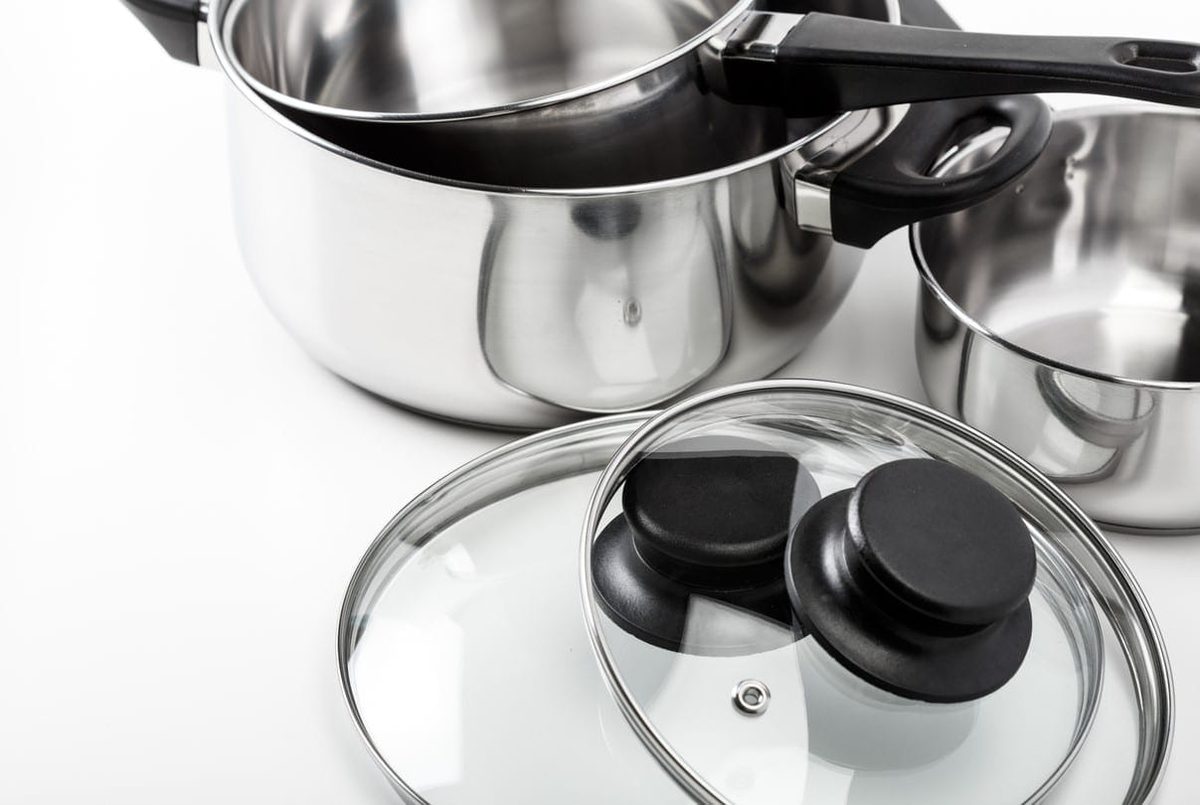
The success of a meal hinges on more than just the recipe. Ingredients matter. But so does the gear. The coating on your pots and pans is not a minor detail. It changes everything.
It dictates heat distribution. It affects how food sticks. It influences cleaning. It even impacts health.
Home cooks often obsess over knife sharpness or oven temperature. They overlook the pan. This is a mistake. A bad coating ruins good food. A good one makes cooking easier.
So which coating should you choose? The answer depends on your habits. Do you cook daily? Do you sear meat? Do you bake?
Most cookware features a non-stick layer. Some are ceramic. Others are PTFE-based. Some are uncoated metal. Each has pros and cons.
Non-Stick Coatings: Convenience vs. Durability
Non-stick surfaces are popular. They are easy to clean. You need less oil. Food slides right off.
But they wear out. Scratches ruin the surface. Once scratched, food sticks. Worse, particles may flake off.
PTFE (Teflon) is common. It handles low to medium heat well. High heat can degrade it. This releases fumes. Keep below 500°F.
Ceramic coatings are another option. They are PTFE-free. They feel slippery. They look white or light-colored.
However, ceramic non-stick loses its effectiveness faster. It may last only six to twelve months. You must use wooden or silicone utensils. Metal tools scratch it.
Cast Iron and Carbon Steel: Durability and Health
Some pans have no chemical coating. They rely on seasoning. This is a polymerized oil layer. It creates a natural non-stick surface.
Cast iron is heavy. It retains heat. It lasts forever. If you care for it properly.
Seasoning takes time. You bake oil onto the pan. Repeat until black and smooth. Once seasoned, it behaves like non-stick.
Cleaning is different. Avoid soap if possible. Use hot water and a brush. Dry immediately. Apply oil. This prevents rust.
Carbon steel is similar. Lighter than cast iron. Heats up faster. Popular in professional kitchens. Requires the same care.
Stainless Steel: Versatility and Browning
Stainless steel has no non-stick coating. Food sticks. This is a feature. Not a bug.
It allows for fond. The browned bits left after searing. Deglaze with wine or broth. Make a sauce.
Stainless steel is durable. Dishwasher safe. Induction compatible. No special seasoning needed.
But it requires technique. Heat the pan before adding oil. The “water droplet test” works. Water beads and slides. Then add food.
Learning to cook on stainless steel takes practice. The payoff is flavor. And a pan that lasts decades.
Which Coating Fits Your Kitchen?
There is no single best answer. It depends on your cooking style.
If you cook eggs and fish daily. Non-stick is practical. Replace it when it wears out.
If you sear steaks and make sauces. Stainless steel is ideal. It handles high heat. It builds flavor.
If you want longevity and health. Cast iron
Teflon-coated pans: the budget trap
You grab the Teflon pan because it’s cheap. It slides across the counter easily. The price tag is inviting. Food doesn’t stick. You cook an egg, it slides right off like it’s on ice. That convenience has a hidden cost.
Teflon is a plastic. Specifically, it contains chemicals that have raised serious health flags. The Stockholm Convention on Persistent Organic Pollutants banned them in 2004. That was twenty years ago. Yet we keep buying them. Why? Because convenience wins. But if you are cooking at high heat, you are risking chemical leaching. It’s a trade-off between your wallet and your health.
Aluminum cookware: fast heating, sticky mess
Aluminum conducts heat better than almost anything else. If you need to get dinner on the table fast, aluminum wins. The heat spreads evenly. No hot spots. The pans are light, too. You can flip a heavy steak without straining your wrist.
But there’s a catch. Food sticks to bare aluminum. You’ll need more oil. You’ll need to scrub harder. And there’s the fear factor. Even if science hasn’t fully proven that tiny aluminum fragments end up in your food, the worry remains. Ingesting aluminum isn’t good for you. You have to weigh the speed of cooking against the potential health risks and the extra dishwashing effort.
Stone-effect pans: induction ready but pricey
Stone-effect pans are everywhere now. They look rustic. They say you care about aesthetics. The name is misleading—they aren’t solid stone. They are usually metal with a textured coating that mimics stone.
The selling point? Food doesn’t stick. You can cook with little to no oil. It’s faster than traditional methods because the surface heats up quickly. They work on induction hobs, which is a huge plus for modern kitchens.
The downside? They cost more. And despite the “natural” vibe, some contain components that health experts question. It’s a premium product with a questionable safety profile. You pay for the look and the non-stick ease, but you might be paying for health risks you didn’t expect.
Ceramic coatings: fragile beauty
Ceramic pans are popular for a reason. They are affordable. They look clean. White interiors make it easy to see when food is done. The non-stick properties are impressive at first. You use them, they work great.
Then time passes. Ceramic coatings degrade. They don’t last. A single drop from the counter can crack the surface. That’s not an exaggeration. Ceramic is brittle. Handle it with care, or replace it sooner than you planned.
The non-stick quality fades. You might find yourself scrubbing stubborn bits after just a few months. It’s a short-term solution. Good for occasional use. Not for the daily grind. If you buy one, treat it gently. Wash it by hand. Don’t stack other heavy pots on top. Otherwise, you’re throwing money away.
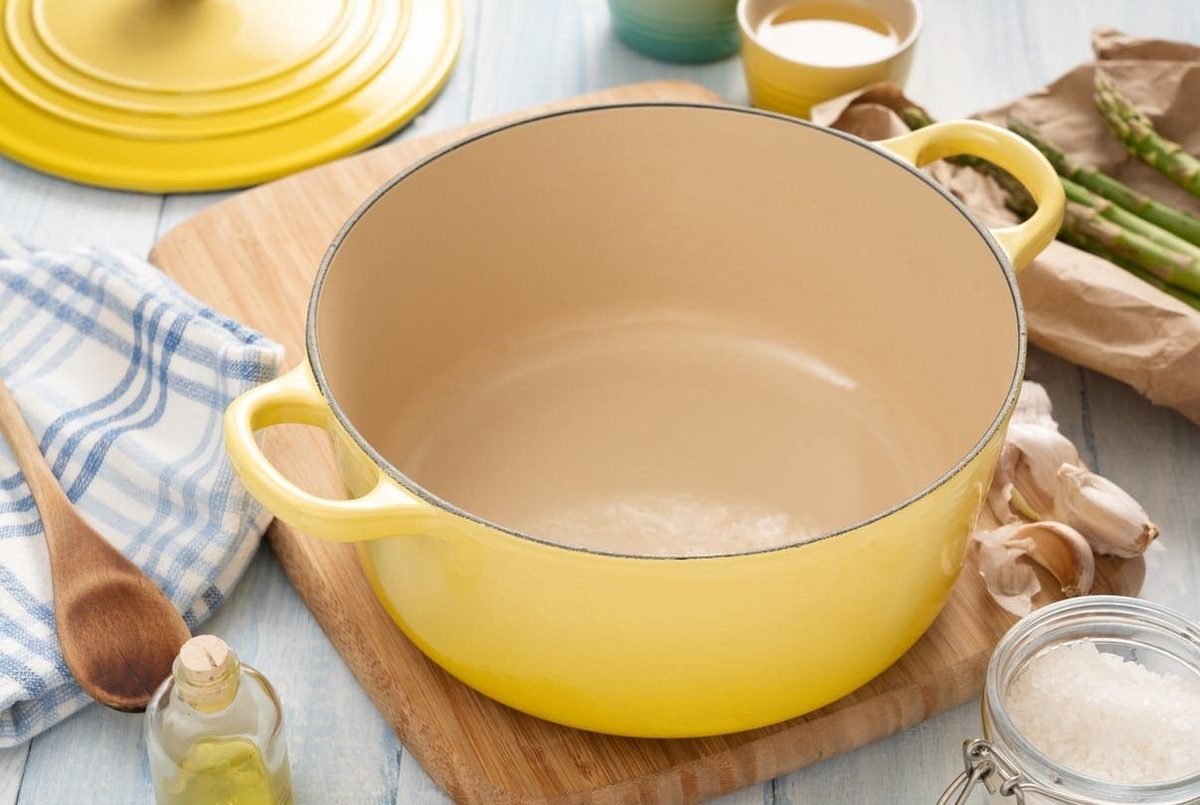

Cast Iron: The Heavyweight Champion
Natural cast iron is a solid choice for skillets and pots. It’s tough. You will likely use the same pan for decades. There are no chemical coatings involved in the manufacturing process, so it is an eco-friendly option. You get pure material.
There is a catch. Cooking times stretch longer. Heat takes time to penetrate that heavy metal. And if you aren’t careful, food sticks. You have to manage the heat and season the surface properly. It demands respect. But the durability is unmatched.
Stainless Steel: Durable and Low-Maintenance
Stainless steel, or inox, is another workhorse. These pans are built to last. They resist impacts and scratches better than most alternatives. You can toss in metal utensils without worry.
Maintenance is straightforward. Most stains wipe right off. The surface effectively acts as non-stick when you understand the physics of heat and oil. A cold pan, hot oil, then the food. That is the trick. It prevents sticking without any chemical layers.
Quality matters here. Cheap stainless steel performs poorly. It warps. It spots easily. It conducts heat unevenly. Invest in good quality. Thick gauge steel holds heat better. It lasts longer. The upfront cost is higher. But you pay for longevity.
Which do you choose? Cast iron for that rustic, seasoned crust. Stainless steel for quick sautes and easy cleanup. Both are long-term investments. Just make sure you buy well-made versions. Cheap pans fail fast. Good ones outlive their owners.


