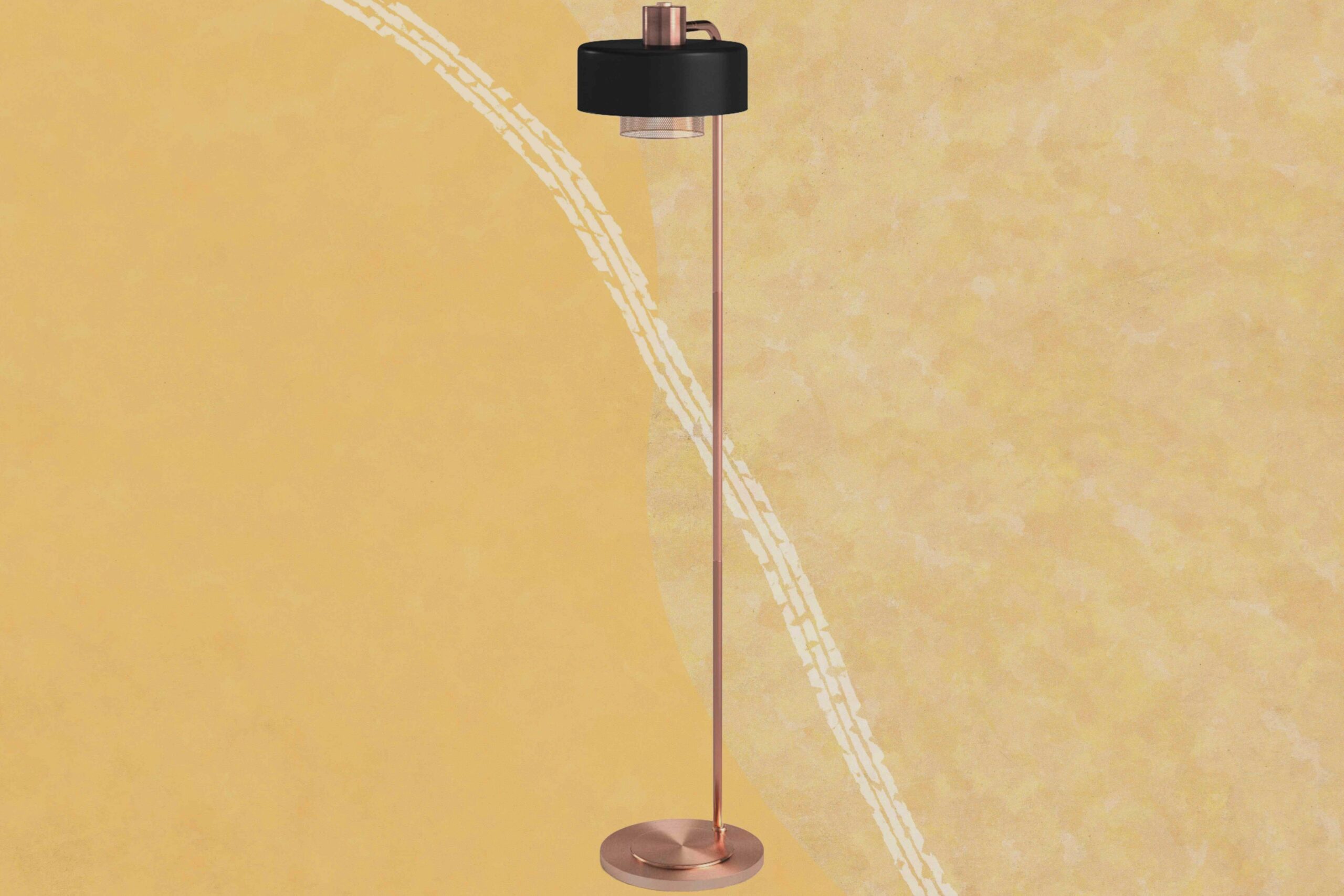
Lighting changes everything. It’s not just about seeing in the dark; it’s about setting the mood, framing your decor, and making a room feel intentional. Yet, picking the right floor lamp can feel surprisingly complicated.
I’ve scoured the market so you don’t have to. Below is a guide to navigating styles, sizes, and specs without the headache.
How We Selected These Picks
We didn’t just pick random lamps. We looked at top retailers, filtering for a mix of sleek modern, rustic charm, and everything in between. The goal? Options that work whether you have a sprawling loft or a cozy studio.
Lighting is functional, sure. But it’s also your best chance to inject personality into a space. It’s a small detail with a huge impact.
Which Type of Floor Lamp Do You Need?
Start by asking: what is this lamp actually doing in the room?
Ambient Lighting
These are the background actors of interior design. They throw general, inviting light everywhere, no matter the angle. Arc lamps or swing-arm models like the Adesso Astoria Arc Lamp fall into this category. They don’t focus; they fill.
Reading and Task Lamps
If you’re going to read without squinting, you need direction. These lamps cast focused beams on desks, nooks, or bedside tables. Less atmosphere, more utility.
Uplight Lamps
Want the room to feel bigger? Point the light up. These torchiere, tripod, or club-style lamps (like West Elm’s tripod pick) bounce light off the ceiling. It’s a soft, diffuse glow that makes corners disappear.
Why Size and Height Matter
Most floor lamps sit between 60 and 69 inches tall. But height isn’t just a number; it’s about balance.
Zernicke recommends matching your floor lamp’s height to any tabletop lamps already in the room. Symmetry looks good. Consistency feels calm.
If you plan to sit nearby, avoid the glare. A height of 67 to 69 inches keeps the bulb out of your direct line of sight. For general room brightness, go taller. 69 inches or up works best to illuminate the space without blinding anyone. The best overall pick from Joss & Main sits at a towering 79 inches for this exact reason.
How Bright Should Your Lamp Be?
Lumens matter. Wattage is outdated when it comes to LEDs, but lumens tell you the actual brightness. Here’s a quick breakdown:
- Reading Nook: You need clarity. Aim for at least 500 lumens so you aren’t straining your eyes over a paperback.
- Living Room Main Light: Rule of thumb is 100 lumens per square meter. For a 20-square-meter room (about 215 sq ft), you’re looking at roughly 2,000 lumens total. If one lamp isn’t enough, add another.
- Small Apartment Ambience: Keep it cozy. Under 400 lumens creates that warm, intimate vibe perfect for smaller spaces.
Still unsure? Look for a dimmer switch or an adjustable setting. Versatility is key when a lamp has to serve multiple purposes throughout the day.
Material Matters (And Durability Does Too)
Floor lamps are often statement pieces. They need to stand up to daily use without wobbling or breaking.
Stick to metal or wood for the stand. Steel is sturdy. Plastic usually isn’t.
The shade is where you can play.
* Cotton/Linen: Soft, diffuse light. Great for relaxation.
* Metal/Glass: Sharper, more intense light. Better for task areas or bold design statements.
Bulb Types: The Hidden Factor
Your choice of bulb affects energy bills and lifespan.
- LED & CFL: More expensive upfront. Longer lasting. Energy efficient. The light can be harsher if not chosen carefully, but they save money over time.
- Incandescent: Cheap to buy. Warm glow. Not great for longevity or efficiency. They get hot. They burn out. But they cast that specific nostalgic light some people love.
Shade Shapes and Switches
Match the shape to the stem.
* Sleek, straight stem? Go square.
* Curvy, organic form? Go round.
Wider shades let more light out. Need more glow for a big room? Choose a larger shade. Tight space? A compact shade keeps things proportional.
Then there’s the switch. How do you turn it on?
* Rotary/Pull Chain: Classic. Reliable. Located near the bulb or base.
* Foot Switch: Hands-free. Perfect for reading in bed. Just don’t lose your footing in the dark.
* Touch: Tap the base or stem. Simple.
* App-Controlled: Smart home integration. Control from your phone. Nice if you hate getting out of bed, but requires a hub.
What to Buy Alongside
While you’re at it, grab a few accessories. A faux fur blanket draped over the chair next to the lamp. Some throw pillow covers. A textured rug underneath to ground the piece. It’s these layers that create a cozy atmosphere.
Why Trust This List
Mia Ingui, an editor at The Sprice, has a soft spot for lighting. She admits to getting distracted by fixtures in home improvement stores when she could be looking at drill bits. She’s curated floor lamps for small spaces and home offices, filtering out the junk to find durable, stylish options.
She tested shapes, styles, and builds. The result is a list that prioritizes quality and aesthetic cohesion.
What’s missing? Probably some niche industrial picks. But for the average reader looking to elevate their living room, this covers the bases.


