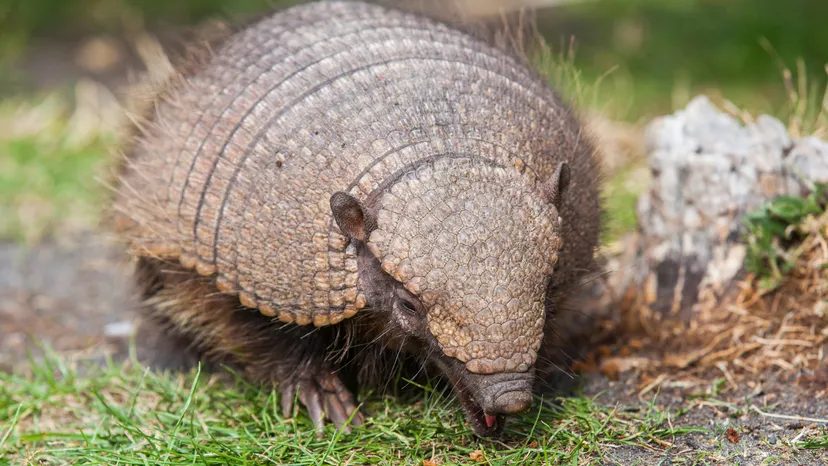
They look like prehistoric tanks rolling through your yard at night. You hear the scratching. Then you see the fresh holes in your lawn where the grubs used to be. Dealing with this specific pest requires more than just hope. It takes strategy. You need to understand how to get rid of armadillos without hurting the animal or violating local laws. This isn’t just about scaring them off. It is about changing your property’s ecosystem so they leave and don’t come back.
Why They Dig Your Lawn
The nine-banded armadillo is the only species you will likely encounter in the southern United States. They are not out to destroy your home for fun. They are hunting. Their primary diet consists of insects, earthworms, and small invertebrates. They have strong legs and a pointed snout built for digging.
They love moist soil. If your flower beds are damp, if your garden is overwatered, or if your lawn is thick with grubs, you have basically put up a welcome mat. They dig to eat. They dig to burrow. They dig because the ground feels soft.
Stop the Digging: Lawn and Water Control
You cannot control the armadillo directly at first. You have to control what they want.
Trim the tall grass. Remove bushy plants that offer shelter. Armadillos need cover. If your yard is open and tidy, it is less attractive.
Control the moisture. Armadillos prefer damp earth for digging. Fix leaks in your irrigation system. Stop overwatering your lawn. If the ground is dry and hard, they have to work much harder to find food. That extra effort often drives them elsewhere.
Remove the food source. If you have a grub problem, treat the soil. Regular pest control reduces the insect population. No bugs means no incentive to dig up your garden.
Deterrents That Actually Work
There are many myths about armadillo repellents. One of the most persistent is mothballs. Do not use them. They do not work. They are toxic to the environment and potentially harmful to pets and children. Avoid them entirely.
Instead, look for castor oil-based repellents. These emit a smell that armadillos find unpleasant. The goal is not to harm the animal. It is to make your property taste and smell like a bad idea. When the scent is strong enough, they will move on.
Fencing: The Physical Barrier
If you have a serious digging issue, a fence can help. But a standard fence is not enough. Armadillos are excellent diggers. They can slip under small gaps.
Install a sturdy fence. Bury it at least one foot underground. This prevents them from digging under. Let it extend a few inches above the ground to block jumping or climbing. Check the line carefully. Even a small gap is an invitation.
Trapping: Humane and Legal
Sometimes deterrence is not enough. If an armadillo is set in its ways, you may need to trap it. Live trapping is the humane option. But you must be careful.
Check your state laws first. Some areas protect armadillos or restrict relocation. You do not want to break the law while trying to fix your yard.
If trapping is allowed, use a live cage trap. Place it near known burrows or paths. Bait it with fruits or earthworms. Often, the placement alone is enough. Make sure the trap opening is large enough for the animal to enter comfortably. Do not set it in places where pets or children can access it.
Landscaping for Defense
Change your landscape design. Dense ground cover and heavy mulch beds are perfect armadillo habitats. They offer food and protection. Switch to rock gardens or gravel paths. These surfaces are hard to dig through and offer no cover. It forces the armadillo to expose itself if it tries to enter. This natural deterrent works over time.
Natural Predators
Dogs can help. The presence of a dog can deter armadillos from entering your yard. They are vocal and unpredictable. However, use this cautiously. Do not encourage your dog to harm the animal. It can disrupt the local ecosystem and cause unnecessary suffering. Use it as a passive deterrent, not an active hunting tool.
When to Call Professionals
If the problem persists, or if you suspect a larger infestation, call in the experts. Wildlife removal services have the tools and knowledge to handle the situation safely. They know the local regulations. They can provide tailored solutions. This is especially important if you are dealing with burrows under your foundation. Armadillos can compromise structural integrity. Do not ignore that risk.
Know the Law
Wildlife laws vary by location. In some places, armadillos are protected. You may need a permit to trap or relocate them. Always check with local wildlife authorities before taking action. Ignorance is not a defense. Compliance keeps you safe and keeps the animals legal.
Dealing with armadillos is a mix of prevention, deterrents, and sometimes removal. Understand their habits. Remove their food. Control the moisture. Make your property unappealing. If that fails, trap humanely. If that fails, call a professional. The goal is a peaceful coexistence or a clean removal. The method depends on the severity. Start with the basics. See what changes. The yard is yours. Make it yours again.


