
France is shifting how it fuels engines, and the focus is squarely on HVO. Known technically as Hydrotreated Vegetable Oil but often labeled as XTL diesel, this synthetic biofuel is rapidly changing the landscape. It is not a niche experiment. It is becoming a standard option for drivers who want to cut their carbon footprint without buying a new vehicle.
The production process is straightforward in concept, if complex in execution. Manufacturers take renewable feedstocks. You might recognize them from kitchen waste or industrial byproducts. Used cooking oils. Animal fats. Lignocellulosic waste. These materials are processed to create a fuel that mirrors traditional diesel. But there is a key difference. It is cleaner. Much cleaner.
Why HVO Matters for Your Engine
Most homeowners and fleet operators worry about compatibility. HVO solves this immediately. It is fully miscible with conventional fossil diesel. This means you can blend it or switch to it entirely. No engine modifications are required for existing diesel machinery. This is a massive advantage. It allows for a gradual transition. You do not need to scrap your old truck or generator to make the switch.
The environmental impact is where the numbers really jump. Emissions drop significantly. Carbon dioxide cuts are reported at up to 90%. That is not a minor adjustment. It is a near-total elimination of CO2 from the combustion process relative to fossil fuels. Beyond CO2, the reduction in fine particulate matter and nitrogen oxides (NOx) is substantial. This matters for air quality in cities and for compliance with increasingly strict environmental regulations.
How It Compares to Traditional Diesel
Let’s look at the practical side. Standard diesel comes from crude oil. Its supply chain is volatile. Its extraction is environmentally damaging. HVO uses waste products. This creates a more circular economy. The fuel performs similarly in terms of energy density and cold-weather properties, though specific regional standards may vary.
“Unlike traditional diesel derived from petroleum, XTL offers a more sustainable and ecological alternative.”
Drivers often ask if they need special filters or pumps. The answer is generally no. Since it mixes seamlessly, your current infrastructure holds up. However, because it is a cleaner-burning fuel, you might see less soot buildup in your exhaust system over time. This could mean longer intervals for some maintenance tasks, though you should always check your vehicle manufacturer’s guidelines.
Where to Find It in France
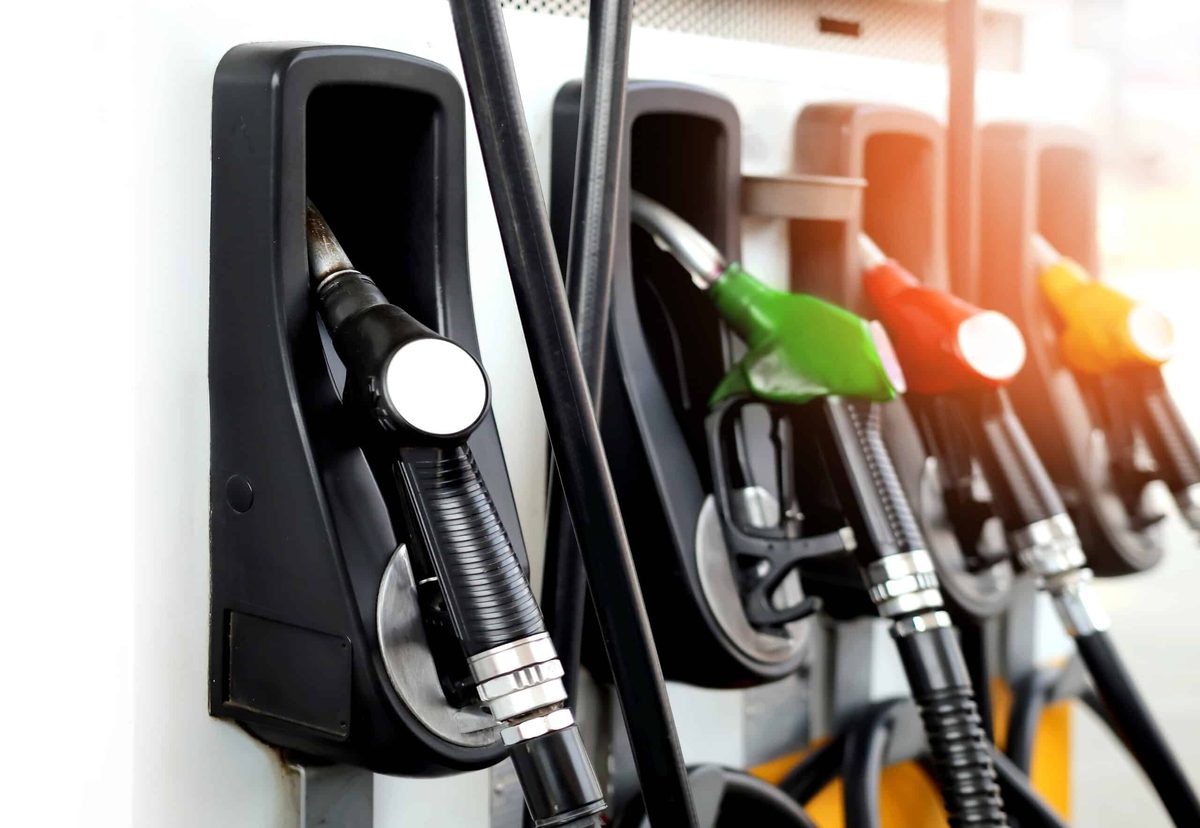
The rollout is happening now. Major fuel distributors in France are integrating HVO into their networks. You will find it at stations that prioritize sustainability. Look for specific branding or labeling that indicates HVO or XTL availability. It is not yet universal, but the footprint is growing. For businesses with diesel fleets, the transition is often smoother because they can leverage existing logistics. For individual homeowners with garden equipment or older vehicles, it may require a bit more hunting. But the stations are there.
The shift is not just about politics. It is about practicality. HVO bridges the gap between the internal combustion engines we rely on and a future that demands lower emissions. It buys time. It reduces harm. And it does so without requiring us to overhaul our mechanical habits overnight.
The infrastructure is building out. The technology is proven. The only real variable is adoption. Are you ready to make the switch when your tank runs dry?

Why Diesel XTL Makes Financial Sense for Homeowners
The upfront cost of diesel XTL is not zero. It is slightly higher than traditional diesel. But look at the long game.
Engine wear drops. Maintenance costs shrink.
The cleaner burn means less soot in your filters and injectors. Over five years, those savings on oil changes and part replacements often erase the fuel price gap. You pay a little more now. You save a lot later.
Environmental Impact Without Compromise
This is not just about money. It is about what comes out of your exhaust.
Diesel XTL reduces CO2 emissions. It cuts atmospheric pollutants significantly. If you care about air quality, this fuel lowers your carbon footprint immediately. No lifestyle changes required. Just a different pump.
Compatibility Is Key
Most drivers worry about compatibility. They worry about voiding warranties or damaging older engines.
DTL XTL does not need modifications. It works with current and older diesel engines. This is huge for homeowners who rely on older work trucks or generators. It is a drop-in solution.
Availability in France
The French government is pushing this. Policies favor this fuel.
What used to be for professionals only is now reaching private stations. The infrastructure is expanding. Adoption is becoming easier.
The Bigger Picture
This shift in France signals a move toward cleaner mobility. Existing engines stay on the road longer. No need for expensive electric conversions just yet.
For the DIY homeowner, the equation is simple.
Lower maintenance.
Cleaner emissions.
Same engine.
It is a practical step. Not a revolution. But it is a step.
“The economies realized on maintenance fees can offset the initial cost of the fuel.”
Consider the next fill-up. Look for the XTL label. Your wallet and the air will thank you.


