Wooden furniture brings warmth to a home. It works in sleek modern lofts and cozy traditional living rooms alike. But wood is not immune to time. Dust settles. Stains appear. Spills happen. You stare at a cloudy tabletop and wonder what to use. Chemical cleaners are tempting but risky. They can strip finishes or leave residue that attracts more dirt. There is a better way.
You do not need harsh solvents to restore your furniture’s natural glow. You need pantry staples and a bit of elbow grease. This approach avoids the toxic fumes and preserves the integrity of the wood grain. It is about maintenance, not just cleaning.
Here are eight natural methods to clean your wooden pieces. These tips are practical. They rely on ingredients you likely already have.
The Power of Vinegar and Oil
One of the most reliable mixtures combines white vinegar with olive oil. The vinegar cuts through grime and disinfects the surface. The oil conditions the wood, preventing it from drying out and cracking.
Mix one part white vinegar with two parts olive oil in a small container. Shake it well before each use. The emulsion is key. Apply it to a soft microfiber cloth. Never pour it directly onto the wood. Wipe the surface in the direction of the grain. Buff it dry with a second clean cloth. This leaves a subtle shine without buildup.
“Olive oil conditions the wood while vinegar cuts through the grime.”
Baking Soda for Stubborn Stains
When vinegar is not enough, reach for baking soda. This mild abrasive is safe for most sealed wood surfaces. It lifts stains without scratching the finish.
Make a paste using baking soda and a small amount of water. Apply it to the stain. Let it sit for a few minutes. Gently rub it with a soft cloth or your finger. Wipe it away with a damp cloth. Dry immediately. Do not let water sit on the wood. Moisture is the enemy of wood furniture.
Lemon Juice for Grease and Grime
Lemon juice is acidic. It breaks down grease and removes light stains. It also leaves a fresh scent. Use it sparingly. Too much acid can damage certain finishes over time.
Dilute lemon juice with water. Use a ratio of one part lemon juice to ten parts water. Dip a cloth in the solution. Wring it out thoroughly. Wipe the furniture. Follow up with a dry cloth. This works well for kitchen tables and dining chairs.
Castile Soap for Gentle Cleaning
For a broader clean, castile soap is an excellent choice. It is plant-based and biodegradable. It cleans without leaving a sticky residue.
Add a few drops of liquid castile soap to a bucket of warm water. Dip a sponge or cloth into the water. Wring it out until it is barely damp. Wipe down the furniture. Use clean water to rinse the cloth and wipe away any soap residue. Dry the surface completely.
Essential Oils for Scent and Protection
Add a few drops of essential oil to your cleaning mixtures. Tea tree oil adds antimicrobial properties. Lavender provides a calming scent. Citrus oils cut through grease.
Be cautious. Essential oils can be potent. Always dilute them in a carrier oil or vinegar mixture. Test on a small
Why baking soda is a safer bet for wood
You already know baking soda is the Swiss Army knife of household cleaning. It’s everywhere. But for wood furniture, it’s surprisingly gentle.
The real win? Zero toxic residue. No harsh detergents lingering in the grain. Just clean wood.
Mix one tablespoon of baking soda into a liter of hot water. Dip an sponge in. Wring it out well. You’re not soaking the wood. You’re wiping it.
Pass over the surface. Then rinse with clear water. Follow up with a microfiber cloth to dry. If the piece is natural or varnished, be careful. Too much water ruins finish.
The power of Marseille or black soap
Next up, traditional soap. Marseille soap or black soap. Both work. Both are old-school for a reason.
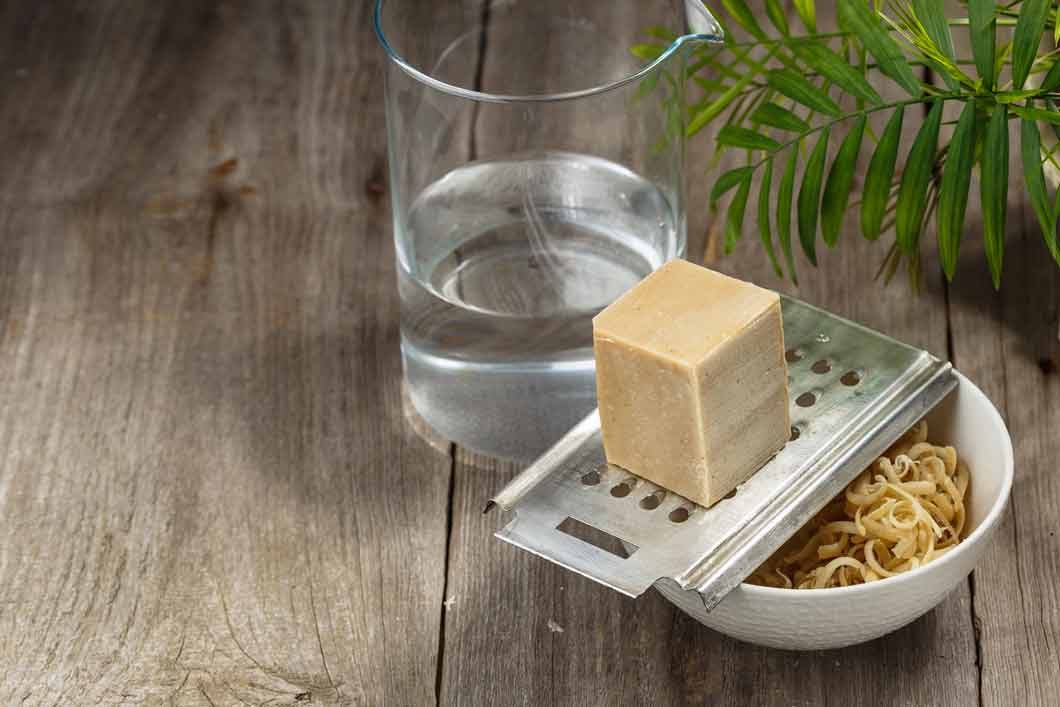
Black soap is liquidy. It cuts grease without stripping oils. Marseille soap is solid. You grate it. Dissolve it in warm water.
Use sparingly. Wood doesn’t need heavy soap. A little goes a long way.

If you are staring down a chest of drawers or a dining table that has seen better days, you don’t need harsh chemicals to bring it back. Raw wood, painted wood, or varnished surfaces can often be rescued with what is already in your kitchen cabinet. The goal here is to strip away the grime without damaging the finish.
The Soap Base: Marseille or Black Soap
Start with a simple solution. You have two strong options depending on what you have on hand: savon de Marseille or savon noir (black soap).
Rust up some traditional Marseille soap into a bucket of warm water. Alternatively, pour in liquid black soap. Stir until it is dissolved. This is your cleaning agent.
Grab a microfiber cloth or a brush with soft bristles. Dip it in and wring it out well. You don’t want a dripping mess. Wipe the furniture following the grain of the wood. This matters. Going against the grain can lift dust into the pores or scratch delicate varnish.
Once the surface is clean, rinse. Use a separate cloth dampened with clean water to wipe away any soapy residue. Soap left behind can attract more dirt later. Dry it off immediately with a clean towel.
Talc for Wax Buildup
Sometimes the problem isn’t dirt. It’s excess wax.
If you regularly polish your wood with beeswax or carnauba wax, layers can build up. They turn cloudy. They look dull and encrusted.
Use talc to fix this. It sounds counterintuitive to add powder to remove wax, but talc is an absorbent.
Sprinkle a small amount of talc onto a soft microfiber cloth. Rub it gently into the waxed surface. The talc soaks up the excess oils and waxes that are clogging the wood’s pores.
Wipe it away. Your wood should regain its original shine. It’s a quick fix for surfaces that look like they haven’t been touched in years, even though they’ve been polished monthly.
Tea Infusion for Tannin Stains
Wood is organic. It reacts to liquids. If you’ve spilled tea, coffee, or wine recently, or if moisture has been trapped under coasters, you might see dark rings. These are often tannin stains.
A strong black tea infusion can help reverse or lighten these marks. The tannins in the tea can interact with the stain, sometimes helping to blend the discoloration back into the wood’s natural tone.
Brew a pot of black tea. Let it cool completely. Dip a cloth in the liquid and dab the stained area. Do not soak the wood. Just dampen the surface. Wipe dry.
It’s not a miracle cure for deep damage. But for surface-level discoloration from spills? It’s a gentle, natural first step.
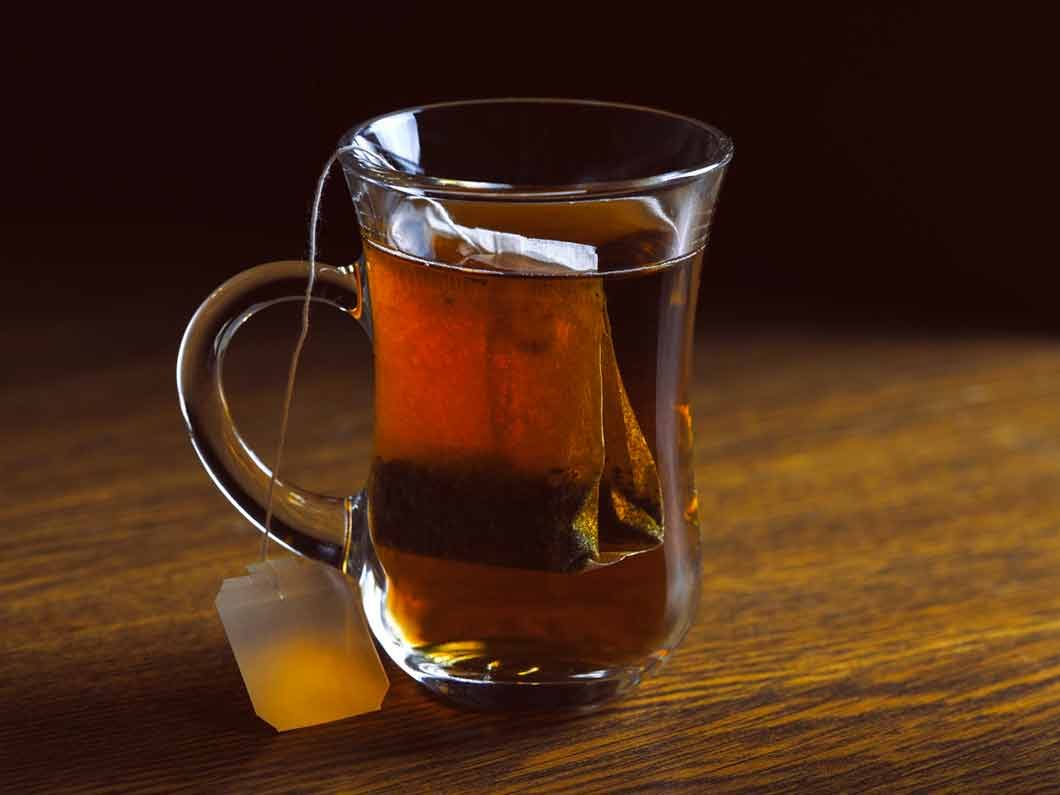

You want to shine up your varnished wood furniture without reaching for a chemical cleaner? Tea might be the answer.
Steep a tea bag in hot water. Let it cool completely. You need cold brew for this.
Soak a microfiber cloth in the liquid. Gently wipe down the surface. The wood should be dusted off first. That’s a non-negotiable step. Rubbing dirt into varnish just creates scratches.
Once the surface is clean, take a dry, soft cloth. Buff the wood until it shines. The tannins in the tea leave a subtle polish. It’s natural. It’s easy. And it works.
Tea isn’t just for drinking. It’s a gentle cleaner that brings back luster without harsh chemicals.
Removing Water Rings with a Cork
That white ring on your waxed wood table? The one left by a cold glass of water? It looks terrible. It doesn’t have to stay there.
Grab a cork. Yes, the kind from a wine bottle.
Take a kitchen knife. Slice off the bottom. Bevel the edge slightly. You want a smooth tip that won’t snag the finish.
Now, rub the cork over the stain. Use circular motions. Follow the grain of the wood. Pressure matters here. Don’t be timid.
After the ring fades, buff the area. Use a microfiber cloth or an old wool sweater. The friction generates heat. That heat helps the wax redistribute. The shine returns.
Fixing Heat Marks with Ash and Oil
Liquid spills? Check. Heat damage? Also check.
If a hot pan left a ring or a splash of juice bleached the color, wood ash is your friend.
Collect ash from your fireplace. Strain it to remove large chunks. You want fine powder.
Mix that ash with cooking oil. Any vegetable oil works. Olive oil leaves a residue that’s hard to remove. Stick to something neutral.
Create a paste. Dampen a cloth with the mixture. Rub it into the stain. You need to work the solution into the wood fibers. Scrub until the mark lifts.
The ash acts as a mild abrasive. The oil conditions the wood. It’s a two-for-one fix.
Using Coffee Grounds for Dark Scratches
Coffee grounds are gritty enough to scrub, yet dark enough to disguise scratches.
When you have a dark wood piece, black tea might not be enough. Coffee grounds offer more stain power.
They also have a mild abrasive quality. That helps lift surface grime from deep in the grain.
Use spent grounds from your morning brew. Let them dry slightly so they aren’t soupy.
Pack them into a small cloth bag. Or just rub them gently with your fingers. Focus on the scratch. The dark pigments fill the gap. The grit smooths the rough edge.
Buff it out afterward. A soft cloth removes the residue. The scratch disappears into the grain. It’s not a magic eraser. But for minor damage, it’s surprisingly effective.
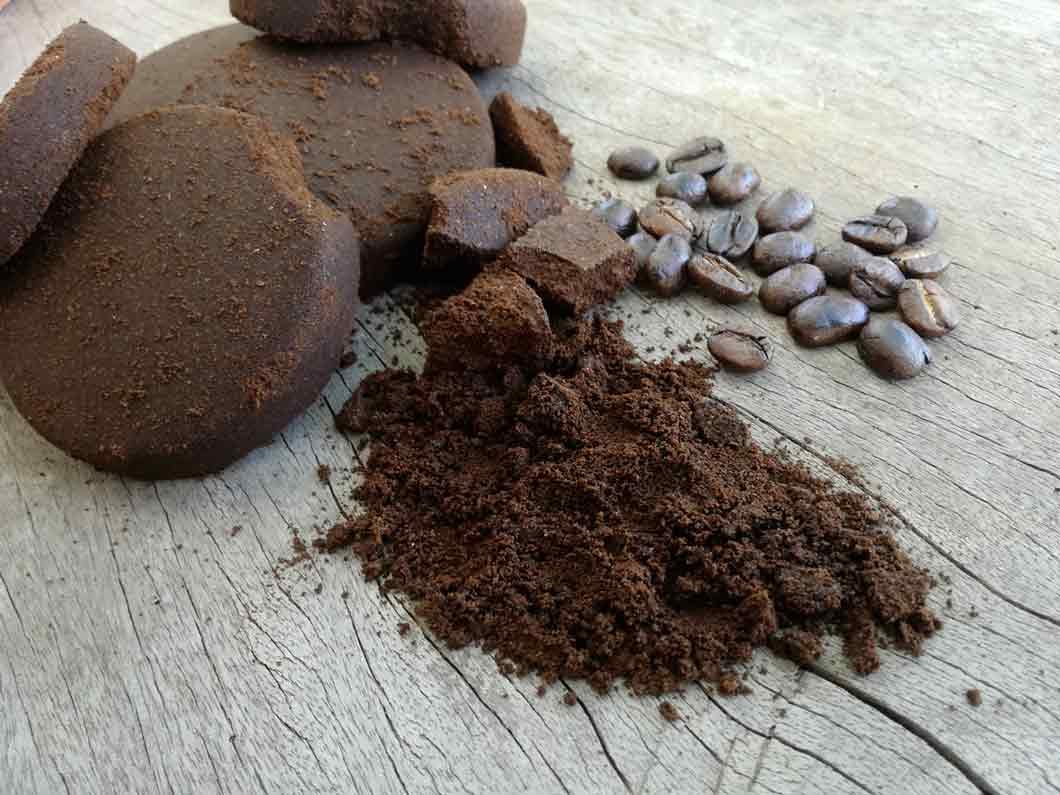
Coffee grounds work as a surprising touch-up tool for dark wood furniture. If you have faded marks or spots that have bleached out, rub the used grounds gently into the stain. The natural pigments can darken the wood, effectively camouflaging the discoloration.
It also acts as a gentle abrasive. Think of it as a mild exfoliant for your tables or dressers. Small, superficial scratches vanish quickly when you buff them with the gritty texture of the grounds.
Restoring Varnished Wood
Varnished pieces don’t just get dirty. They dull. The finish turns cloudy over time. You can reverse the aging process with a four-step routine.
Start by sanding lightly. Use 120-grit paper designed for fine finishes. Always move with the grain to prevent new scratches.
Next, strip the grime. Soak 000 steel wool in household alcohol. The alcohol dissolves sticky residues and cuts through old grease. Scrub along the wood grain. Wipe dry with a soft cloth.
Now, feed the wood. Apply a mix of wax and turpentine spirit. Let it sit. Two hours is the minimum. Overnight is better. Give the wax time to penetrate deeply.
Finally, buff it out. Use an old wool sweater. Remove buttons first. The friction brings back the shine.
Vinegar Risks
White vinegar is a staple for natural cleaning. It degreases well. It clears buildup. But it has limits.
Acidic products damage fragile wood. Similar to baking soda, vinegar can etch or weaken certain finishes. Check your wood type before using any strong acid.
Related DIY Topics
- How to revive dull wood surfaces
- 14 ways to remove scratches from wood furniture
- Homemade DIY dusting spray recipes
- 10 tricks for removing white rings on wooden tables
- 8 grandmother-approved methods for shining wood