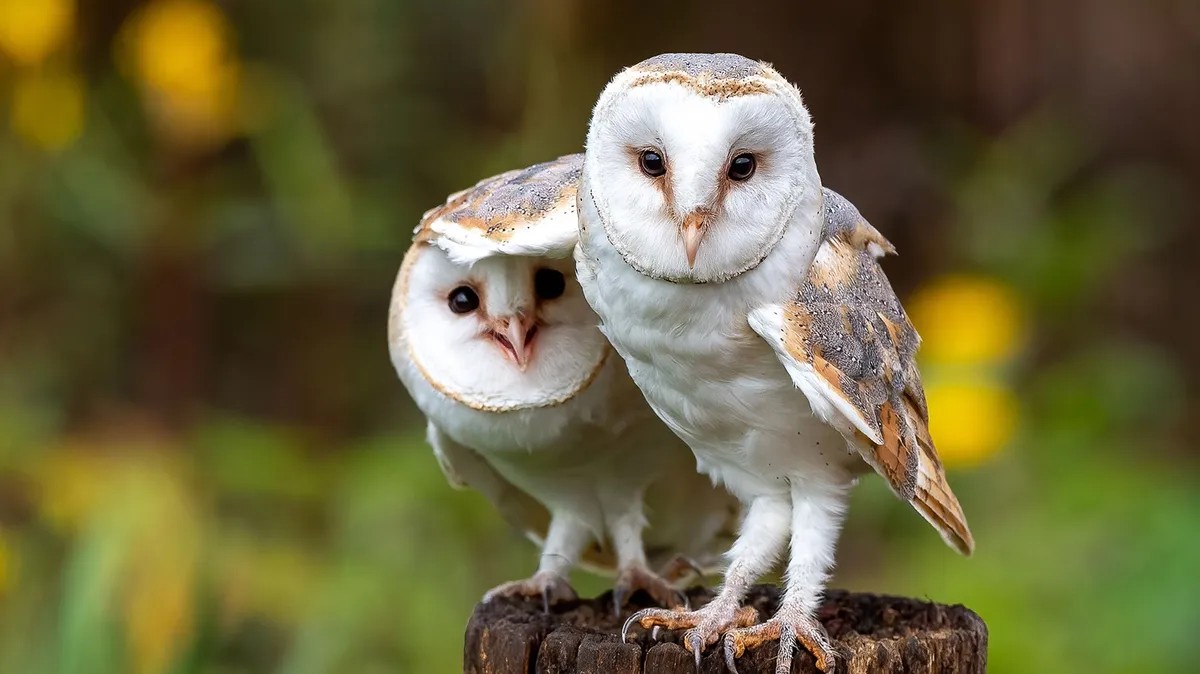
For centuries, people have noticed that a group of owls is called a “parliament.” This isn’t just a random label; it’s rooted in deep cultural associations of owls with wisdom, knowledge, and even authority.
The Origins of the Term
The term “parliament” for a group of owls likely emerged from medieval European traditions. During this period, owls were often seen as symbols of intelligence and foresight. Ancient Greeks associated owls with Athena, the goddess of wisdom, while other cultures linked them to magic and hidden knowledge.
The connection between owls and parliament may also stem from the birds’ perceived solemnity and quiet observation. Just as a parliament debates and observes, owls sit silently, seemingly pondering the world around them. This imagery resonated with those who named animal groupings centuries ago.
Collective Nouns: More Than Just Words
Collective nouns are often whimsical but reveal historical and cultural attitudes toward animals. Unlike the practical term “flock” for most birds, “parliament” for owls or “murder” for crows adds depth and color to language. These names weren’t chosen at random; they reflect how people viewed these creatures.
- A murder of crows suggests a dark, ominous presence.
- A gaggle of geese evokes the noisy, chaotic nature of these birds.
- An exaltation of larks celebrates their uplifting songs.
Why Collective Nouns Matter
These terms aren’t just linguistic quirks. They show how humans have historically perceived animals, often imbuing them with symbolic meanings. Owls, with their nocturnal habits and piercing gaze, have been associated with both wisdom and ill omen. Some cultures believe seeing an owl foretells death, while others see it as a guardian spirit.
Other Fascinating Collective Nouns
The animal kingdom is filled with strange and wonderful group names:
- A raft of ducks
- A stand of flamingos
- A brood of chicks
- A rookery of penguins
- A muster of peacocks
Many of these terms originated with medieval hunters, who used colorful language to describe animal gatherings.
Ultimately, the “parliament” of owls isn’t just a fun fact; it’s a reminder of how language shapes our understanding of the natural world. The term stands as a testament to centuries of cultural association, turning a simple bird into a symbol of knowledge and silent power.