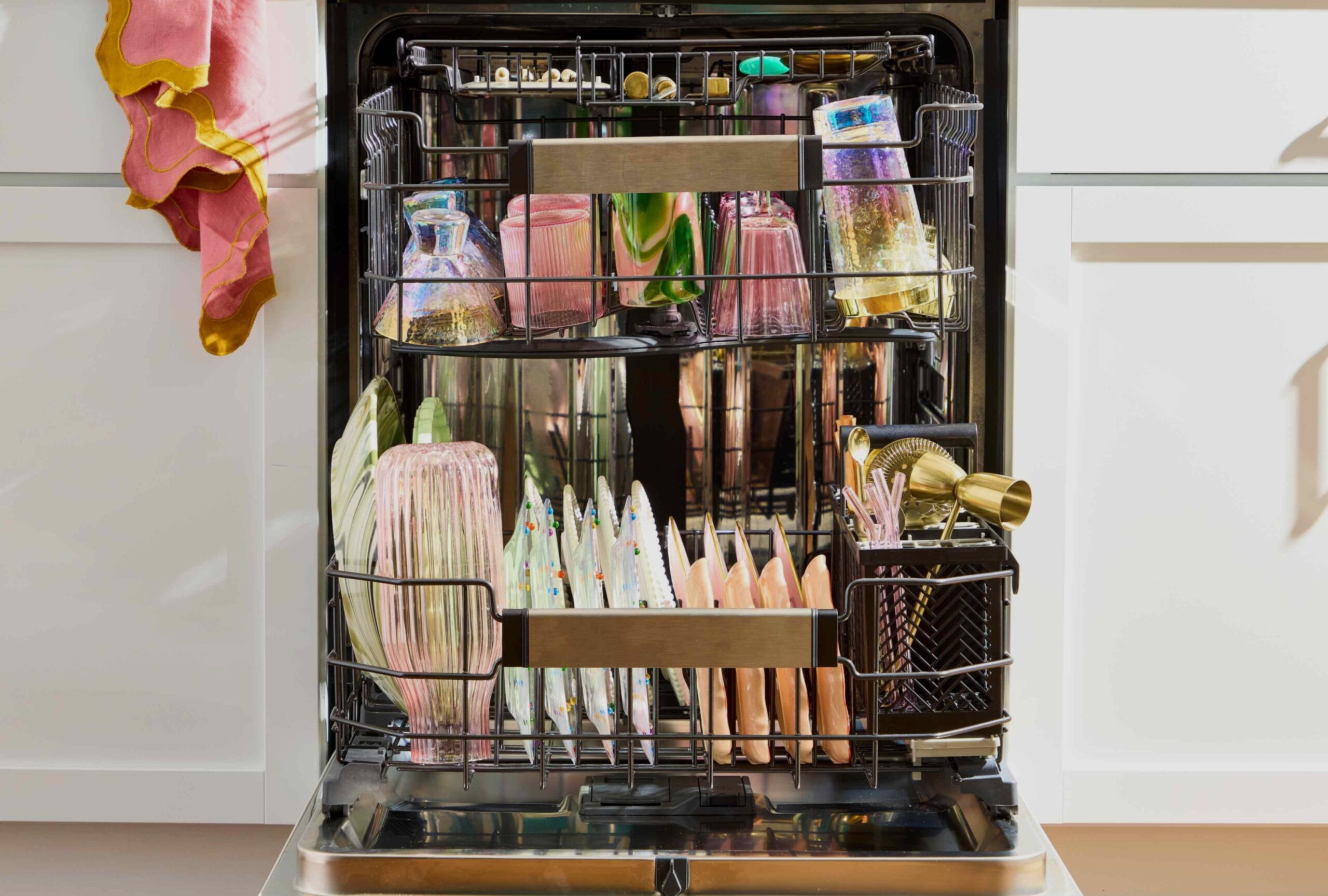
A smelly dishwasher isn’t just unpleasant; it indicates a buildup of food waste, grease, or even trapped debris that can affect cleaning performance. Here’s a breakdown of the most common causes and how to quickly resolve them.
The Four Main Causes of Dishwasher Odor
Dishwashers are designed to eliminate odors, but lingering smells mean something is wrong. The usual culprits include:
- Clogged Filter: The dishwasher filter catches food particles and grease. If neglected, it becomes a breeding ground for bacteria and rotting food.
- Trapped Melting Plastic: Non-dishwasher-safe plastics can melt when exposed to high temperatures, creating a burnt plastic smell and potentially damaging the appliance.
- Greasy Residue Buildup: Over time, grease and food particles accumulate on the dishwasher walls, leading to mold, bacteria growth, and persistent odors.
- Clogged Drain Line: Slow draining due to food buildup in the drain creates a breeding ground for bacteria and foul odors.
Deep Dive: Diagnosing the Smell
If the smell persists after a cycle, it’s time for a deeper inspection.
Clogged Filter: The Most Common Issue
Most dishwashers have filters that require periodic cleaning (typically monthly). If left unattended, these filters can become severely clogged.
- How to fix: Remove the filter (check your manual for instructions) and rinse it thoroughly under hot water. Use a brush if needed to remove stubborn residue.
Trapped Plastic: A Burning Smell
A burnt plastic odor suggests something non-dishwasher-safe melted near the heating element.
- How to fix: Carefully inspect the dishwasher’s interior for melted plastic. If found, remove it immediately.
Greasy Residue: The Invisible Problem
Even with regular use, grease and food residue accumulate over time, creating a persistent smell.
- How to fix: Run an empty cycle with a dishwasher cleaner. Alternatively, use a cup of white vinegar placed in the top rack during a hot cycle.
Clogged Drain: The Root of Stagnant Odors
Slow draining indicates a blockage in the drain line.
- How to fix: Ensure dishes are scraped before loading to prevent large food particles from entering the drain. If the drain remains slow, check for sludge buildup and clear it out manually (consult your dishwasher manual for guidance).
Long-Term Prevention: Keeping Your Dishwasher Fresh
To avoid future odors:
- Rinse Dishes: Remove large food particles before loading.
- Clean Filter Regularly: Make filter cleaning a monthly habit.
- Run Empty Cycles: Use dishwasher cleaner or vinegar cycles periodically.
A clean dishwasher isn’t just about aesthetics; it ensures your dishes are properly sanitized and free from lingering smells. Addressing these issues promptly will keep your kitchen appliance running efficiently and odor-free.