Kitchen design trends evolve rapidly, and what looked modern just a few years ago can quickly appear dated. According to interior designers, several countertop materials and colors are falling out of favor for practical and aesthetic reasons. If you’re planning a kitchen renovation, avoiding these choices will help ensure a fresh, contemporary space.
The Fall of Granite
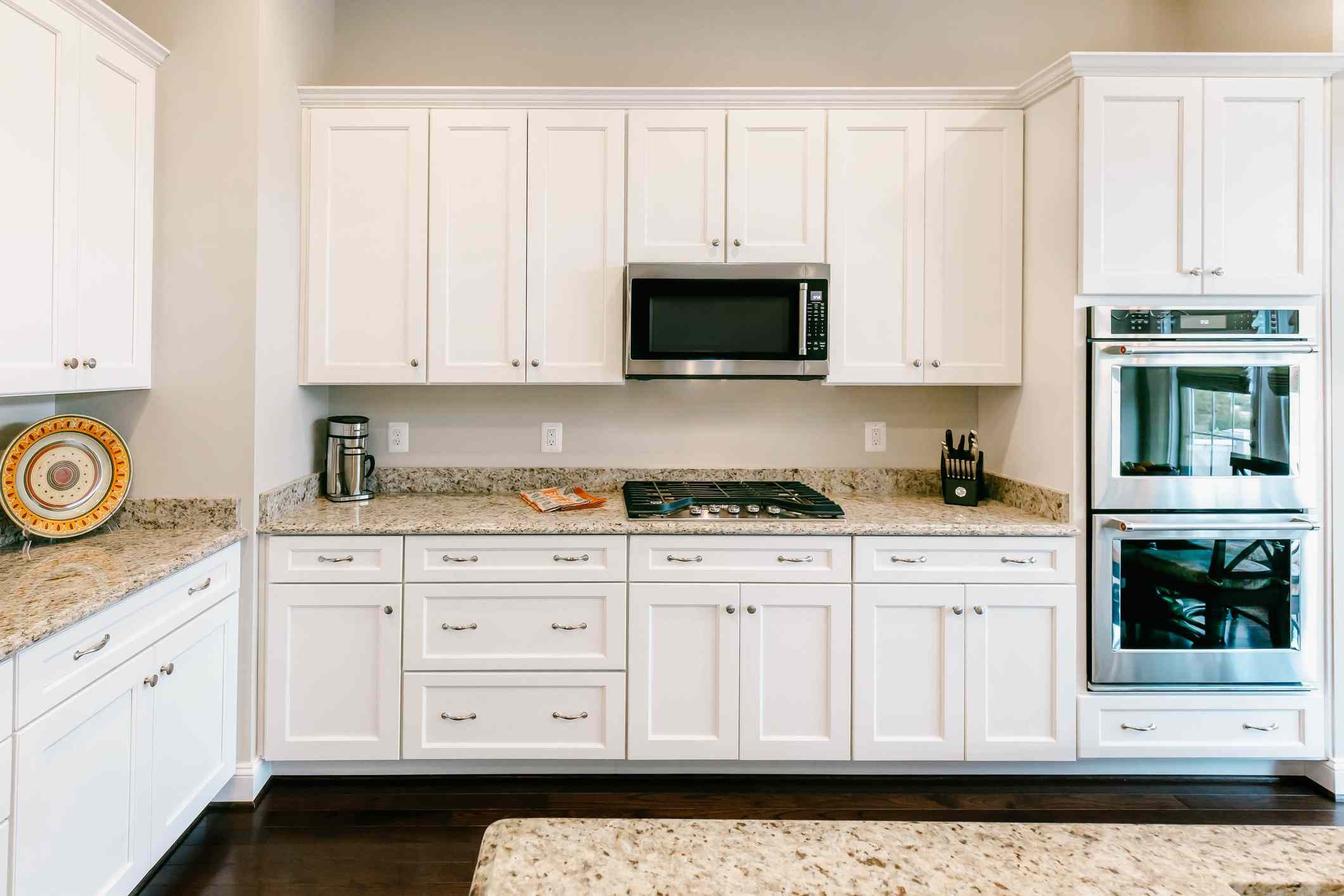
Granite countertops, once a staple in home building, are now viewed by many designers as an immediate sign of an early 2000s kitchen. While durable, granite’s ubiquity in the past makes it feel less current.
Interior designer Danielle Davis advises clients to avoid granite in any shade, as it evokes a look that’s no longer in style. Brown granite, specifically “Baltic Brown,” is called out as a particularly strong offender due to its heavy use in the early 2000s. While brown tones are making a comeback, this specific granite reads as outdated.
Quartz: The “Perfect” Material Losing Appeal
Quartz countertops, once praised for their flawless, unchanging appearance, are now considered stale by some designers. Danielle Chiprut argues that the pursuit of “perfect” surfaces feels artificial.
Instead, Chiprut recommends embracing natural materials that age gracefully, like marble and soapstone. These materials develop patina over time, adding warmth and character to the kitchen. Soapstone is noted for its soft touch and heat resistance, while marble offers affordability and a variety of finishes from warm Calacatta to moody black.
The Limitations of Laminate
Laminate countertops, often found in rental properties, are not recommended for custom kitchens. While affordable and easy to install, they lack durability.
Danielle Davis points out that laminate chips easily and is difficult to repair. Damage often requires replacing the entire section, making it less practical than other materials.
Why Ceramic Tile Doesn’t Work for Counters
Ceramic tile countertops are another outdated option. Rebecca Ward explains that high-use kitchen counters endure daily wear and tear, and the grout between tiles quickly becomes stained and difficult to clean.
Seamless, low-maintenance surfaces like marble and soapstone are superior alternatives. These materials hold up better to constant use while still looking elegant.
Designers are increasingly steering away from materials that appear artificial or show wear too easily. The emphasis is shifting toward natural stone and surfaces that age beautifully over time.
Ultimately, choosing countertop materials requires considering both aesthetics and practicality. Avoiding granite, quartz, laminate, and ceramic tile in favor of natural stone will result in a kitchen that feels modern, functional, and timeless.