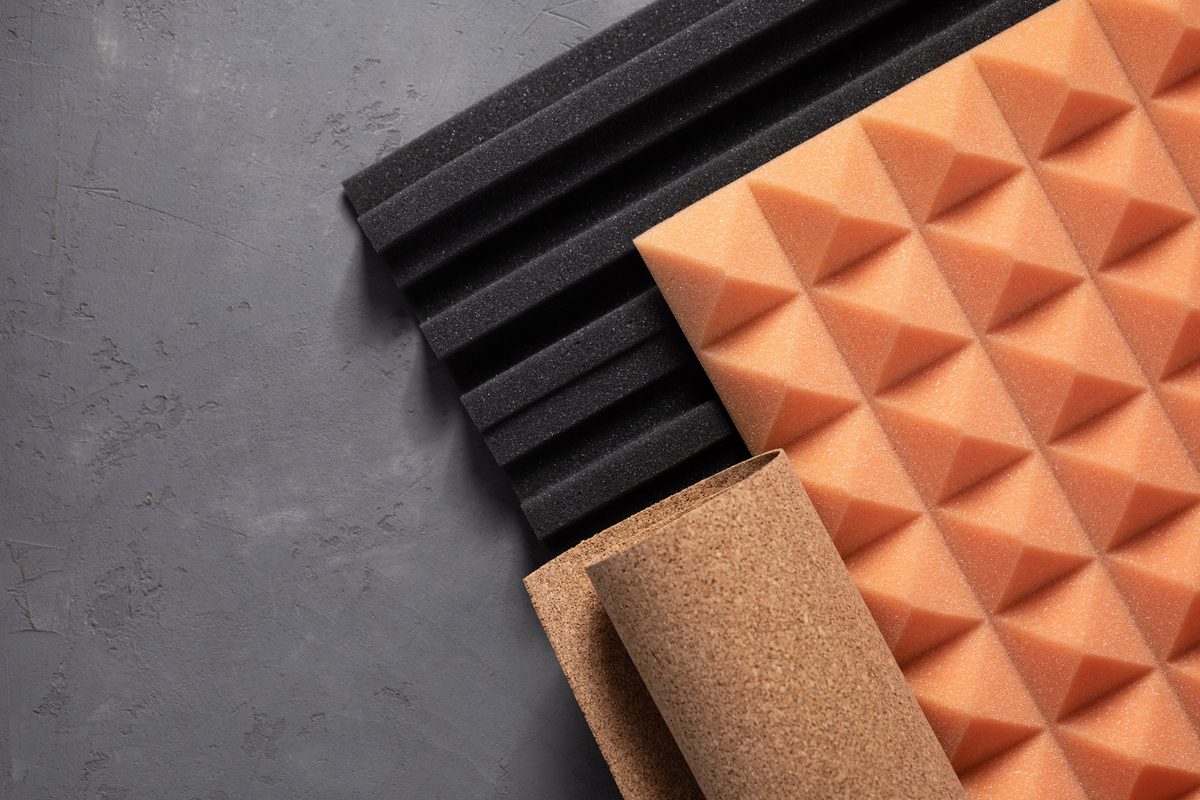
Cork is no longer just a bottle stopper. It is becoming a serious contender to keep your home warm in winter and cool in summer. This change is not just a matter of aesthetics. This is all about performance. And the cost.
Homeowners are looking for more durable materials. Regular insulation often allows moisture to accumulate or settle over time. Cork is neither of those things. It breathes. It adapts. It lasts.
The natural science behind cork’s thermal power
Why choose cork insulation instead of fiberglass or foam? The answer lies in its structure. The cork is harvested from the bark of the cork oak tree. The bark regenerates. This makes it a renewable resource. But more importantly, its cellular structure can hold air. Millions of small closed cells. This trapped air acts as a natural barrier to heat transfer.
The result is high heat resistance. Significantly reduces heat loss. In cold climates this means lower heating costs. In warmer regions, it stabilizes the internal temperature. Reduce dependence on HVAC systems. Reduced operating costs. This is the key advantage of this trend.
Humidity control and indoor air quality
Many insulation materials suffer from moisture. Fiberglass absorbs water and loses its R-value. Mold may grow. Cork is different. It is hydrophobic in nature. It repels liquid water. However, it does let water vapor through. This “breathability” prevents condensation inside the walls. Prevents mold and mildew before it starts.
This is important for homeowners who suffer from allergies or asthma. Cork does not produce volatile organic compounds (VOC). Does not contain harmful chemicals found in some synthetic foams. The air in your home stays clean. This is a health benefit that goes beyond mere convenience.
Installation versatility and durability
You don’t need an expert to work with cork products. Available in slabs, loose fills and blocks. The panels fit easily between the studs. Loose fill can be blown into the attic space or into existing wall cavities. This DIY-friendly feature reduces labor costs. This gives homeowners direct control over their projects.
Durability is also an important factor. Cork is resilient. It is compressed and then returns to its original shape. It does not sag. It does not degrade easily. Cork insulation systems can last for decades if installed correctly. This long service life compensates for the initial material costs. Install it once. It can be used for a long time.
Environmental impact and sustainability
The cork oak forests of the Mediterranean region are carbon sinks. Harvesting the bark does not kill the tree. Promotes forest health. The manufacturing process of cork insulation consumes little energy. It usually involves combining cork particles with natural substances. Many products do not require toxic adhesives.
Choosing cork can reduce your home’s carbon footprint. Supporting sustainable forestry practices. cork is biodegradable at the end of its life, which prevents waste from ending up in a landfill. This is a response to the growing demand for environmentally friendly home renovations.
Cost considerations and long term value
The initial cost of cork insulation is usually higher than traditional fiberglass. The material itself is relatively expensive. If you do it yourself, the effort will probably be about the same. However, the long-term savings are real. Better heat output means lower energy consumption. A lower risk of mold means fewer health problems and less repair costs. Life cycle costs are generally lower.
Homeowners must weigh these benefits against the initial investment. For those planning to stay in
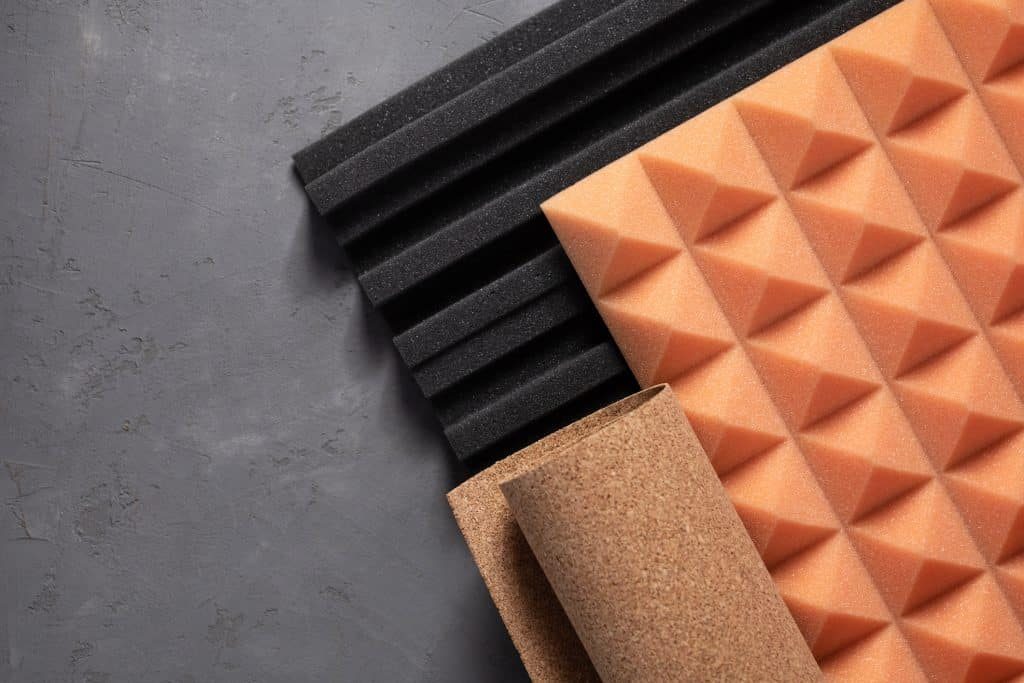

Why cork has better insulating properties than traditional materials
A cork is more than just a wine stopper. It is a strong candidate for insulating houses.
The science is simple. The cork cells are filled with air. There are millions of them. This structure creates a natural barrier. Even in winter, the heat is preserved. In summer, the cool air stays indoors. This material has a high thermal lag. This means that heat transfers more slowly. You only feel the full heat of the midday sun in the evening, if at all.
Sound doesn’t penetrate is also difficult. The elastic structure dampens vibrations. This reduces noise from cars and upstairs neighbors. You get thermal comfort and silence. One material can be used for both purposes.
Environmentally friendly and renewable
The cork is harvested from the bark of the cork oak tree. These trees grow mainly in the Mediterranean.
The bark is harvested every 9-12 years. No trees were felled. It regenerates. This makes the cork completely renewable. This process has no negative effects on the ecosystem.
Production consumes very little energy. Does not contain strong chemicals. The material is biodegradable. It is recyclable. If you care about your carbon footprint, Cork checks all the boxes.
Where to use cork for renovation
Cork is available in hard boards, rolls or loose pellets. This versatility enables flexible applications.
- Wall insulation: The panels can be attached directly to interior or exterior walls. It insulates without compromising the appearance.
- Roof: A cork is placed under the roof tiles to regulate the temperature. It also helps with waterproofing.
- Floor: Use as an underlay. Add warmth to your feet. It also reduces impact noise from below.
It is very versatile and suitable for both new and renovation projects. Adapt to your project.
It lasts for decades
Cork is inherently rot-resistant. It never rots.
Moisture will not damage it. Mold does not grow. Insects and rodents ignore it. No chemical treatment is needed to protect it.
It is also fire resistant. Flame spread is difficult. Even if a fire breaks out, no toxic gas is produced. This is a huge safety benefit for homeowners.
Calculation of costs and benefits
The initial cost of cork is higher. Traditional fiberglass or mineral wool is cheaper.
But think long term. Energy bills are decreasing. Heating and cooling costs decrease significantly over time. Your investment will pay off.
Real estate values can also increase. Environmentally friendly materials attract buyers. If you’re going to sell, this is your selling point.
Cork combines performance and durability. It’s expensive at first. The savings and comfort are worth the price. This is an option for those who value longevity and efficiency.