A pristine lawn is a source of pride, but it is also an ecosystem under constant siege. Weeds are not merely unsightly intruders; they are competitive plants that steal water, nutrients, and sunlight from your grass. The key to maintaining a healthy lawn lies not just in eradication, but in choosing the right strategy for the specific threat.
Whether you prefer chemical precision, natural remedies, or long-term prevention, understanding the biology of weed control is essential. Below are eight effective methods to reclaim your turf, categorized by approach and application.
Chemical Control: Precision and Timing
When dealing with established infestations or preventing future growth, herbicides offer the most immediate results. However, choosing the correct type is critical to avoid damaging your desired grass.
1. Selective Post-Emergent Herbicides
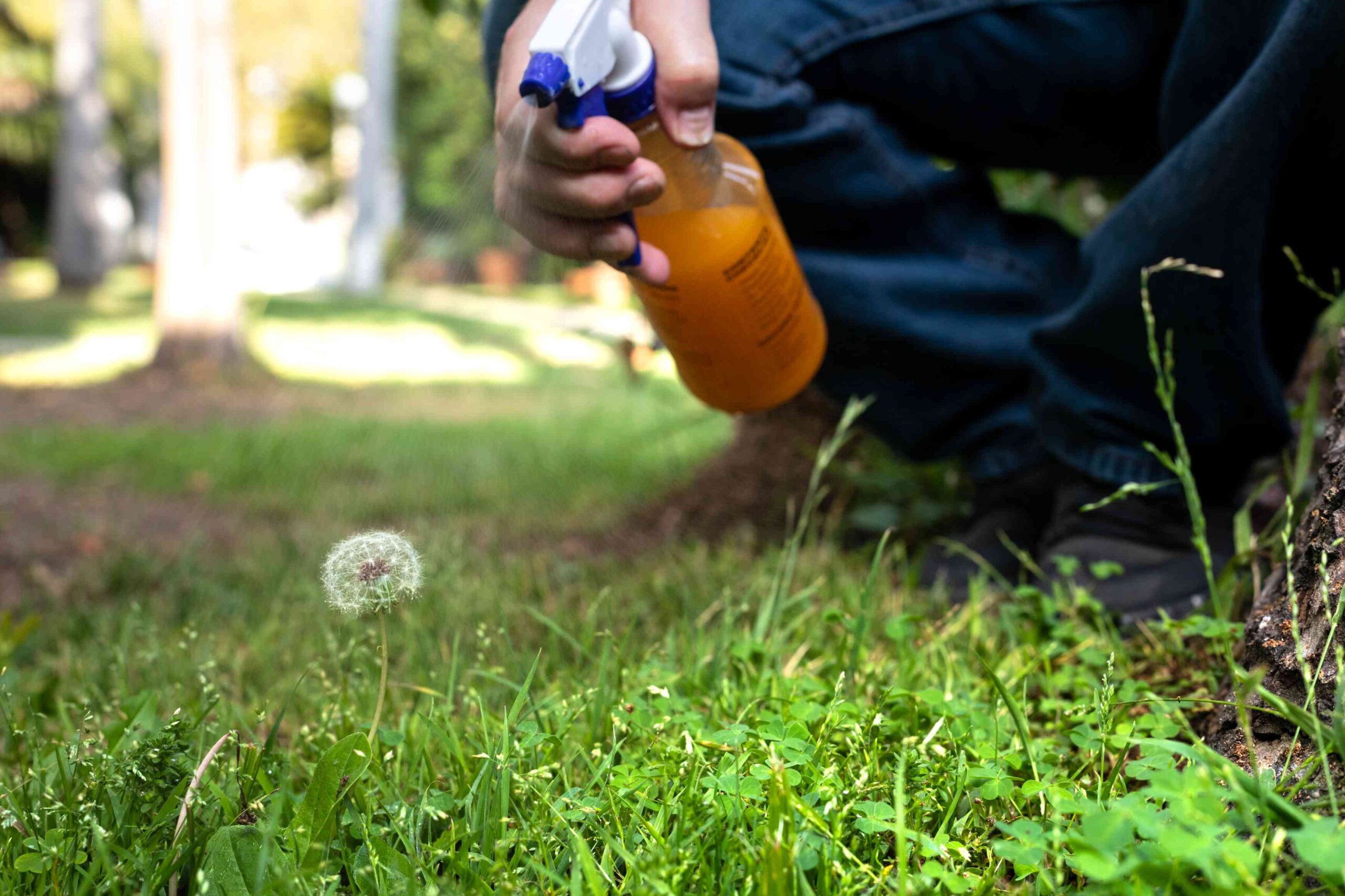
This is the gold standard for treating existing weeds without harming your lawn. Selective herbicides are chemically formulated to target specific weed species (such as clover, dandelion, or chickweed) while leaving grass species unharmed.
* Why it works: It exploits the biological differences between broadleaf weeds and grass blades.
* Best practice: Always check the label to ensure the product is safe for your specific grass type (e.g., fescue vs. Bermuda). Apply when weeds are actively growing for maximum absorption.
2. Non-Selective Post-Emergent Herbicides
Products containing glyphosate are “non-selective,” meaning they will kill virtually any green plant they touch, including your lawn.
* The risk: These are dangerous for general lawn maintenance.
* Best practice: Use these only for spot treatments on weeds growing in cracks, driveways, or garden beds. Never spray on a windy day to prevent drift onto your grass.
3. Pre-Emergent Herbicides
Prevention is often easier than cure. Pre-emergent herbicides create a chemical barrier in the soil that inhibits root development immediately after a weed seed germinates.
* Target: Highly effective against crabgrass and other annual weeds that sprout in spring.
* The Catch: These chemicals also prevent grass seeds from rooting. If you are planning to overseed your lawn in the spring, you must wait until after the seeding process is complete before applying pre-emergents. Many “weed and feed” fertilizers combine this herbicide with nutrients, making them a convenient spring treatment.
Natural and Mechanical Methods
For those concerned about chemical residues, especially in households with pets or children, natural methods offer safer alternatives, though they often require more physical effort.
4. Hand-Pulling
The most basic method, hand-pulling is effective for small, manageable infestations.
* Technique: Wet the soil thoroughly before pulling. Moist soil loosens the root structure, allowing you to extract the entire root system rather than just the leaves.
* Limitation: This is ineffective for deep-rooted weeds like dandelions, which have long taproots that snap off if pulled by the leaves alone.
5. Digging with Specialized Tools
For stubborn weeds with deep taproots (like dandelions), hand-pulling is insufficient. You must remove the entire root to prevent regrowth.
* Tool choice: Avoid using a standard shovel, which disrupts large areas of healthy grass. Instead, use a dandelion puller or a narrow trowel. These tools allow you to slice under the root and lift it out with minimal damage to surrounding turf.
6. Vinegar Applications
Vinegar acts as a natural, contact herbicide by drying out plant tissues.
* The Trade-off: Like glyphosate, vinegar is non-selective. It will kill your grass along with the weed.
* Best practice: Use high-concentration horticultural vinegar (available at farm supply stores) for spot treatments only. It is most effective on hot, sunny days when plants are actively transpiring.
7. Boiling Water
Similar to vinegar, boiling water is a simple, chemical-free way to kill weeds through thermal shock.
* Limitation: This method is strictly for spot treatment on driveways, sidewalks, or between pavers. It will instantly kill any grass it touches, so aim carefully.
The Ultimate Defense: Prevention
The most sustainable way to manage weeds is to make your lawn an inhospitable environment for them. A thick, healthy lawn crowds out weeds by blocking sunlight and competing for resources.
8. Cultural Practices for Lawn Health
Prevention is not a single product, but a set of ongoing maintenance habits:
* Proper Mowing: Mow at the correct height for your grass species. Taller grass shades the soil, preventing weed seeds from germinating. Never remove more than one-third of the grass blade at a time.
* Balanced Irrigation: Water deeply and infrequently to encourage deep root growth. Many weeds thrive in drought conditions or overly soggy soil; maintaining consistent moisture levels favors your grass over opportunistic weeds.
* Thatch Removal: Thatch is a layer of dead grass and roots that builds up on the soil surface. If it becomes too thick, it repels water and nutrients, weakening your grass. Dethatching annually allows water and fertilizer to reach the root zone, keeping your lawn vigorous and competitive.
Conclusion: There is no single “magic bullet” for weed control. The most effective approach combines preventive maintenance (healthy mowing and watering) with targeted intervention (selective herbicides or mechanical removal) when necessary. By understanding the biology of both your grass and your weeds, you can maintain a lush lawn with less effort and fewer chemicals over time.