Vinegar is not only suitable for salad dressing. It’s a powerful, cheap solvent that can remove years of grime without a chemical hangover. If you’re doing a bathroom renovation or just want to keep your home from looking lived-in, this acidic staple is your first line of defense. Start with the bathroom. It’s usually the dirtiest room in the house.
Scrubbing Bathtubs and hot tubs
Tub rings do not move quickly when wiped. You need time. Soak a paper towel in undiluted white wine vinegar and place it directly over the ring. Let them sit until they dry completely. If the paper is stiff, spray it with more vinegar. Scrub with a sponge. The acid breaks down the mineral bonds that hold the ring in the porcelain.
In hot tubs, the goal is maintenance. Once a year, add a gallon of vinegar to the water and run the jets. This washes away soap scum before it can clog internal plumbing. Do this before the buildup becomes a mechanical failure.
Clearing Showerheads and Glass
Mineral deposits are the enemy of water flow. If your shower head sprays unevenly, it is blocked. Mix half a cup of vinegar with one quart of water in a bucket. Remove the shower head and soak for fifteen minutes. If you have a plastic head, the vinegar is stronger against the material. Instead, use a pint of vinegar mixed with a pint of hot water. Soak for an hour.
Glass doors and walls require a different approach. The soap scum are sticky. Spray with vinegar. Allow to dry. Spray again to dampen. Wipe away. If the scum is thick, let the vinegar stand for several hours. Dampen and wipe again. It takes patience, but it works.
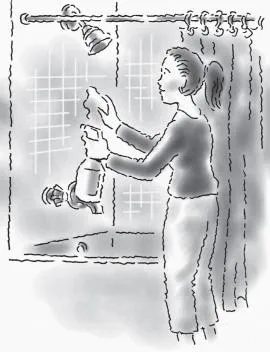
Shower curtains dull over time. The soap film covers the fabric. Mildew loves the dampness. Place a spray bottle of vinegar next to the shower. Spray the curtain once or twice a week. You don’t need to rinse it off. Vinegar kills mold spores as they settle.
If mold has already stained the fabric, make a paste. Mix enough vinegar into the borax to make a thick paste. Rub the dirty area directly. Rinse it off if the fabric allows it. The stain should come off.
Dealing with sinks and toilets
The taps become crusty. Hard water leaves white deposits that look permanent. Cover the stained area with paper towels dipped in vinegar. Let stand for an hour. Wipe with a damp sponge. Deposits should be easy to wipe off.
The toilet is another battleground. Pour the vinegar into a bowl. Let it stand for thirty minutes. Sprinkle baking soda on the toilet brush. Scour any remaining stains. The fizzing action helps to lift the grime. Flush.
Removing Old Adhesive and Decals
Renovation often means removal. Those non-slip decals you put on years ago? They are probably chipped. Stained. Ugly. They are peel poorly and leave a worse residue than the original glue.
Remove them with heat and acid. Saturate each decal with vinegar. First, heat the vinegar in the microwave for about three minutes. The heat helps the liquid penetrate the glue. Let it rest for a few minutes. Peel. The sticker should come off in one piece. Any leftover glue can be wiped off with a damp sponge.
This is just the beginning. The same principles apply to kitchens, floors and windows. Chemistry is simple. The results are not.
Vinegar is arguably the most versatile tool in a DIY homeowner’s arsenal. You already know it handles bathroom grime, but its utility extends far beyond the tiles. When it comes to maintaining carpets and hard-surface floors, white vinegar offers a non-toxic, effective alternative to harsh chemical cleaners.
Tackling Carpet Stains with Vinegar Solutions
For general maintenance or fresh spills, a simple solution of equal parts vinegar and water is sufficient. Sponge it lightly into the fabric, rinse with clean water, and blot dry. Let it air dry completely before walking on it again.
When specific stains strike, the ratio and method change slightly. Here is how to handle common household disasters:
Ketchup
Ketchup stains are acidic, which means vinegar plays well with them. Mix one cup of vinegar with two cups of water. Sponge the mixture onto the stain. Keep wringing out your sponge frequently as you work the solution into the fibers until the red mark vanishes.
Chewing Gum
This is a sticky nightmare. Saturate the affected area with vinegar. If you are impatient, heat the vinegar slightly to help it penetrate faster. Let it sit for a moment, then carefully tug at the gum. It should lift away without pulling threads from the carpet.
Chocolate
Mix one part vinegar to two parts water. Apply with a sponge. Blot the area aggressively with clean, dry cloths. You need to lift the oil and pigment out, so keep swapping to dry cloths until no more color transfers.
Coffee
If you catch coffee immediately, plain water might do the trick. If the stain has set, use the one-to-two vinegar-to-water ratio. Sponge it in, blot up the excess, and rinse until the brown hue disappears.
Cola
Blot immediately with paper towels to absorb as much liquid as possible. Then, clean the area with one part vinegar to two parts water. This breaks down the sticky sugar residue.
Crayon
Crayon wax can be stubborn. Dip a toothbrush in pure vinegar and scrub the stained area. The acidity helps break down the wax bonds, allowing you to lift it away from the fibers.
Glue
For dried white school glue, use one part vinegar to two parts water. Sponge it on and blot. If the glue is particularly stubborn, soak the spot with warm vinegar and let it sit for 10 to 15 minutes. Once softened, scrape it up with a dull knife or blot it away with paper towels.
Ink
Time is critical with ink. Blot first, then spray hairspray directly onto the stain. The alcohol in the hairspray helps lift the ink. Once the ink is gone, work a half-and-half vinegar and water solution into the area to remove the sticky residue left by the hairspray.
Mildew
Mildew doesn’t just sit there; it grows. Kill it with a 50/50 mixture of vinegar and water. It is imperative that the rug dries completely afterward. Use a hair dryer on a low setting to speed up the process and prevent new mold spores from taking root.
Red Wine
Blot up all moisture immediately. Sprinkle salt over the stain to absorb the remaining wine; the salt will turn pink as it works. After 15 minutes, clean the area with a mixture of one-third cup vinegar to two-thirds cup water.
Sparkling Hard-Surface Floors
Vinegar works on ceramic tile, linoleum, vinyl, and even wood. The key is dilution. Never pour full strength vinegar on floors, as it can damage seals or finishes over time.
Ceramic Tile
Add one cup of vinegar to one gallon of warm water. Mop as usual. This cuts through soap scum and leaves the tile sparkling without leaving a dull film.
Linoleum and Vinyl
Use the same ratio: one gallon of water to one cup of vinegar. Scrub the floor. If you need an extra shine after cleaning, rinse with club soda. It leaves a subtle polish without the waxy buildup of traditional cleaners.
Wood
Add one cup of plain vinegar to a gallon of water. Mop lightly. Do not saturate the wood. You do not need to rinse this. The solution removes greasy buildup and keeps the wood looking shiny. Excess water is the enemy of hardwood, so wring your mop well.
Keeping Carpets Fresh Between Shampoos
Regular vacuuming isn’t always enough. To keep carpets fresh and extend the life of your deep cleaning routine, try a vinegar rinse.
Mix a quarter cup of vinegar into a gallon of water. Use this solution in a steam-cleaning vacuum as a final rinse after shampooing. It helps remove any leftover shampoo residue that can attract dirt over time. The result is a cleaner carpet that stays fresh longer.
It works. It’s cheap. And it doesn’t leave you breathing in synthetic fumes. Try it on your next cleaning day.