Making your own laundry soap is not just a trend. This is a practical option for homeowners looking to cut costs, reduce exposure to chemicals and minimize plastic waste. The premise is simple. You control the materials. You can avoid the price increases of big brands. You also get cleaner clothes without synthetic fragrances that can irritate sensitive skin.
Many people believe that natural cleansing requires expensive and hard-to-find botanical ingredients. This is wrong. You can create an effective cleaning solution using pantry staples. The result is an effective cleaning agent whose price is comparable to commercial products.
Why switch to homemade detergent?
The main driver for most do-it-yourselfers is finances. Most commercially available liquid detergents are water-based. Delivery costs are paid by the customer. The powdered version is better, but it contains fillers and stabilizers. When making your own, buy concentrated ingredients.
- Cost efficiency: One batch can be used for several months.
- Health benefits: Does not contain dyes, optical brighteners or artificial fragrances.
- Environmental effects: Significantly reduces plastic bottle waste.
This approach appeals to those who like hands-on projects. It’s about taking back control of your home environment.
Main ingredients
You don’t need a chemistry degree to mix this up. Three simple components are required.
- Soap: Castile soap or Fels-Naptha. Fels-Naptha is an effective degreaser. Castile is kind. Choose according to the amount of laundry.
- Baking soda: No baking soda. The detergent is sodium carbonate. Increases cleaning power and softens water.
- Borax: A mineral compound that improves the effectiveness of detergents and fights mold and mildew.
WARNING: Always use dry powders such as soda or borax when handling the mask. Fine dust can be irritating. Work in a well-ventilated area.
Step by step mixing process
Preparation takes time. This process requires patience, but can lead to significant cost savings.
1. Crush the soap.
Let’s start with soap. Use a box grater. Chop into fine flakes. Don’t rush this step. The finer the flakes, the faster it dissolves in cold water. Large pieces can get stuck in the washing machine or collect at the bottom of the drum.
“The finer the flakes, the faster it dissolves in cold water.”
2. Create a foundation
Boil 2 cups of water. Slowly add the grated soap. Stir constantly. The mixture forms a thick jelly-like paste. This is normal. If the soap is too hard, do not add more soap. You can also dilute it later.
3. Add the booster
In a separate large bowl, dissolve 1 cup of detergent and 1 cup of borax in 10 cups of hot water. Blend until completely transparent.
4. Mix and let cool.
Pour the soap paste into the borax solution. Add the remaining boiling water to fill the 1-gallon container. Mix well. Let the mixture stand for 24 hours. It gels. This is the desired structure.
5. Final Consistency
Stir the mixture vigorously before use. It will be very thick. Ideal for front loading machines
We’re not just here to cut costs. Of course, the economy makes sense. But we’re still making progress toward a greener planet and healthier families. You take back control.
Why don’t you use commercial fabric softener?
Commercially available liquid rinses appear to be harmless. It smells sweet. Underneath the perfume is a mixture of synthetic fragrances and preservatives. All of these can cause allergies. May cause a rash. It’s itchy.
Think about it. Your clothes are in contact with your skin all day long. At night, the sheets wrap around your body. Cleaning with corrosive chemicals leaves a residue there. This link is easy to build.
“Synthetic fabric softeners often cause breathing problems and skin irritation.”
This is especially true for babies. Pediatricians generally do not recommend using homemade or commercial fabric softeners on baby clothes. The surfactants used to soften the fibers can irritate sensitive lungs and sensitive skin. Cleaning the baby should be easy.
Environmental effects
Commercial fabric softeners are harmful to waterways. These contain compounds that harm aquatic plants. They pollute streams and threaten local animals.
If you do it yourself, the equation changes. Stop buying plastic. Think of the bottles piled up in the recycling bin. Recycling is good. It is better to avoid buying.
Glass bottles and reusable juice bottles can be used for several months. No need to change. We avoid a huge amount of plastic containers. This significantly reduces waste.
What do I need to get started?
No chemistry degree required. This is a very common item.
Basic
White vinegar is the main product. Breaks down detergent residues. The fabric softens and no wax is needed.
smell
essential oil. Lavender brings calmness. Refreshing lemon. Tea tree has antibacterial properties. Just a few drops are enough.
Container
Reuse bottles. Glass is ideal because it does not react with oil. You can also use plastic if you are careful. Make sure it is clean.
Tools
It’s a measuring cup. funnel. A spoon for mixing.
Safety first
Essential oils are powerful. Please keep it out of your sight. Wash your hands after mixing. Keep out of the reach of pets and small children, even when diluted in the final mixture.
How to mix
Relationships are important. Too much oil can stain the fabric. Too little and the smell disappears.
- Fill the bottle with white wine vinegar. Leave 1 inch of space at the top.
- Add 10-20 drops of your favorite essential oil.
- Close the lid tightly.
- Shake vigorously. Oil and vinegar do not mix naturally. Stirring is required.
Use about half a cup per load. The same amount as bought in the store.
Where it is used
This isn’t just limited to towels. Suitable for everyday cotton. Synthetic fibers do not require as much, but natural fibers have more advantages.
Can electrostatic adsorbents be completely replaced? Sometimes. Even if you are in a dry climate, you may still see sparks. However, in most households, using vinegar solves the problem.
What about the drying time? Vinegar slightly speeds up drying by reducing the friction between the fibers.
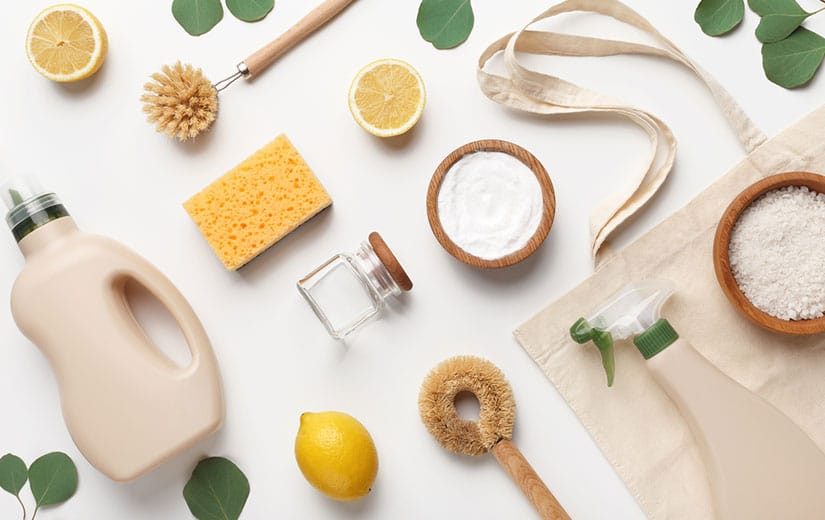

If you want your homemade fabric softener to be really effective, you can’t skip the basics. When you’re designing it yourself, it’s important to use certain ingredients. Skip heavy chemistry. Stick to what is proven.
White vinegar is not negotiable. Look for a solution with less than 8% acetic acid. Anything stronger can reduce the performance of the washing machine’s rubber seal. It can also damage your clothes. Avoid full use on wool or delicate fabrics. These fibers are too acidic.
Lemon is also strong. Prevents the formation of limescale inside the machine. Think of this as a daily update for your device. It softens the dough and leaves a light, clean scent.
Organic vegetable glycerin is derived from wheat. It has natural flexibility properties. It can be used for skin and hair care, but it can also be used for laundry.
Essential oil is for adding fragrance. Lavender, eucalyptus, vanilla, jasmine and orange are popular. It withstands a washing program and dries on your clothes.
Kosher salt determines the color. Prevents fading. It is also an important structural component in dry mixes.
Baking soda is a must in the kitchen and laundry room. Improves cleaning power and softness.
Liquid DIY fabric softener: Mixes quickly.
This recipe is quick and easy. This is natural. Here’s what you need:
- 250 ml water (distilled or demineralized water is best)
- White vinegar 200 ml
- 15 drops of your favorite essential oil
- Juice of 1 lemon
- Organic vegetable glycerin 30 ml
How to mix:
First, dilute the glycerin with water. Then add the vinegar and mix. Don’t panic if it doesn’t mix well at first. This is a normal reaction. Add lemon juice and essential oil. Shake the bottle before use.
This mixture has a delicious aroma. No toxic substances. No preservatives required. Use about 60 ml each time.
Solid fabric softener powder: a practical alternative
The powder is easier to store. It won’t break down. Here’s what you need:
- Baking soda 70 g
- 300 g coarse salt
- 10 drops of essential oil or a sprig of lavender
Steps:
Get a glass bottle. Add kosher salt first. Drizzle with essential oil. Stir until the salt absorbs the oil. If you use lavender sprigs, crush them finely and leave them in the salt mixture for a week. This allows the fragrance to penetrate properly. Once infused, add baking soda. Mix well.
Use about 2 tablespoons per load.
Do it with your laundry
We don’t just make soap. You regulate your daily routine. Liquid versions must be shaken. The powder takes time to develop its scent. Choose according to your storage space and preferences. Start by testing small batches. Your machine will thank you for the lack of build-up. where are your clothes They feel differently. Softer. cleaner. However, you need to know how much weight to use. Start small. Please adjust accordingly for your trip.
Since I already make my own detergent, I might switch to homemade fabric softener. If so, your machine may have a secret. Soap scum builds up faster if you use natural ingredients like Marseille soap or glycerin. The residue does not disappear. It covers the drums.
Do a short empty loop every few weeks.
Add 500ml of white vinegar to the drum.
Set the temperature to 90°C.
Click Start.
It’s not just a matter of smell. It’s all about maintenance. Heat and acidity break down sticky fatty acids left by hard water and natural soaps. The machine runs more smoothly. Future loads are rinsed clean.
Terrarium: function and form
How to store the mixture is as important as the recipe. Plastic retains odors. Dyeing is also possible. That’s why most DIY laundry veterans choose glass.
This is very practical. It is inert. Does not react with essential oils or acidic vinegars. But it also has a dual purpose. A glass bottle made of colored glass and a cap that looks like a decoration. They sit on shelves and in washrooms that don’t look like a chemical warehouse.
I have a problem. Don’t bury them.
Leave space at the top.
Fill only 3/4 of the way.
The mixture must be shaken before use. Oil and water separate quickly. When the bottle is full, there is no room to mix. You end up spilling clean water or clean oil on your clothes. Neither works. Shake vigorously. Observe the formation of an emulsion. Then pour.
Yarn Ball: The Unsung Hero
Did you know that wool dryer balls can replace half of your daily life? It’s not just for drying. They also belong to the Wash cycle.
Throw some balls into the drum with the load. they bounce. they were excited. This mechanical action removes dirt and pet hair from the fibers. You can’t win clothes. It gently separates them.
The benefits are clear.
– Reducing pet hair: The rotating action pulls loose hair from the fabric and collects it on the lint collector or outside the machine instead of reattaching it to other clothes.
– SOFT: Reduces static electricity and makes towels and sheets naturally fluffy.
– Fibre care: Harsh chemicals are not used, so spandex and delicate knits do not deteriorate over time.
Resistant. Can be used for years. If it starts to feel like too much, change it.
Final result
It takes 10 minutes to make your own fabric softener.
It takes 1 second to save.
Maintenance of the machine requires a monthly period.
The reward is the scent. No chemical irritation like synthetic fragrances. But a clean, neutral scent from the right ingredients. Or add a few drops for a lavender and lemon scent. The clothes feel soft. Make your home feel more relaxing.
There’s something satisfying about knowing exactly what’s going on with your skin. It’s very simple. vinegar. water. essential oil. There is nothing to hide.
Once you start, the routine will stick. The machines are kept clean. Clothes stay soft. It’s a small change. However, my feelings about laundry have changed.
At least you get less


