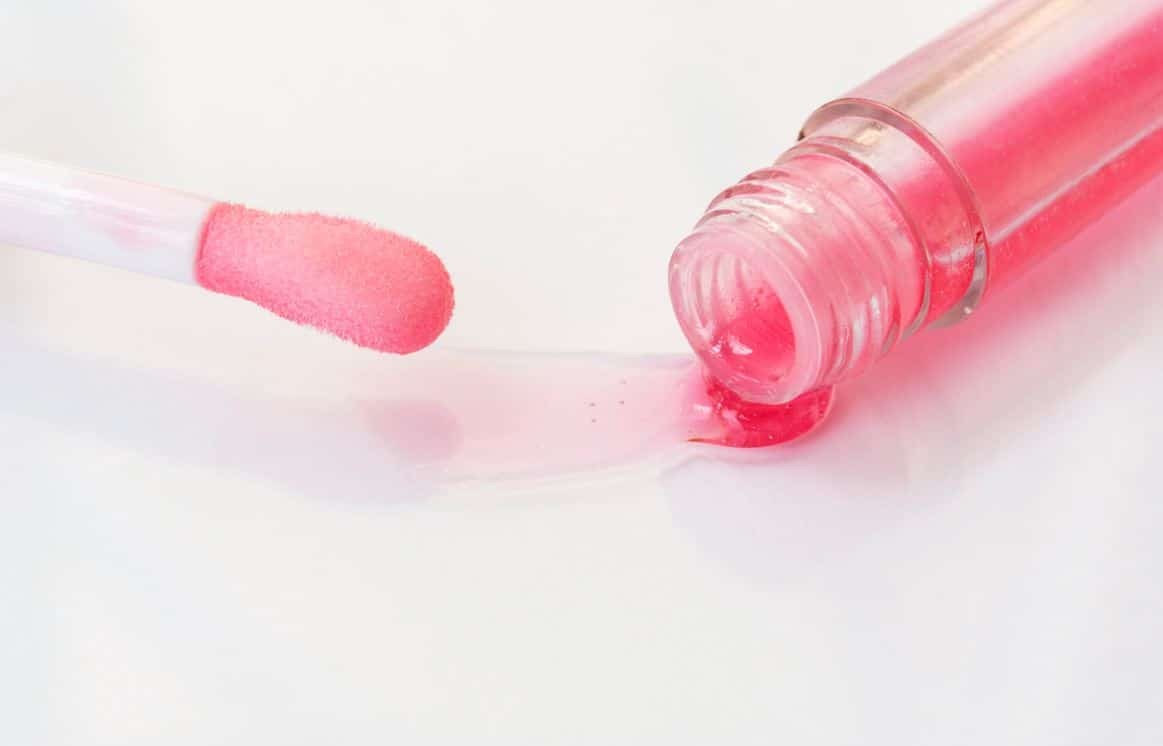
I just bought a new lip gloss. Fits everything. It stays on all day.
Then you see the collar.
A dark, oily smear to your favorite top. You can’t wear it anymore. You want to throw it away.
Don’t do this.
There are several ways to solve this problem. Simple ways. Cheap ways. No need for a dry cleaner. No special chemicals are needed from the laboratory.
Before the grease or paint hardens, you need to know how to handle it. This is how you protect your outfit from makeup mistakes.
Why cosmetic stains are difficult to remove
Makeup is more than just a stain. It is designed to stick.
Lipstick contains wax and oil. Foundations contain pigments and binders. Mascara is waterproof by design. When these touch fabric, they bond. Heat sets them. They get worse over time.
If you leave the stain for a few days, it will become permanent. That’s why speed is so important.
Act fast: the first steps
If it’s a new stain, don’t scrub it. Friction can push makeup deeper into the fibers.
- Blot, don’t scrub. Use a clean paper towel or white cloth. Press gently. Lift and remove excess product.
- Scrape off solids. For mascara or heavy cream, use a dull blade or spoon. Gently lift the chunk away.
- **Check the care label. ** Is the item dry clean only? If so, leave it to the professionals. If it is washable, you can handle it at home.
The best homemade remedies for makeup stains
You probably have these items in your kitchen too. Their work is better than you think.
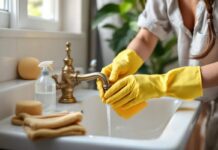
1. Dish Soap for Oily Bases
The foundation, concealer and lip gloss are all oil-based. Dish soap cuts through grease.
- Mix 1 tablespoon of clear dishwashing liquid with 2 cups of warm water.
- Dab the solution on the stain with a clean cloth.
- Blot until the color lifts.
- Rinse with cold water.
- Wash normally.
*Note: Test hidden seams first. Some delicate fabrics react poorly to soap. *
2. Hairspray for Stubborn Pigments
Old-fashioned hairspray contains alcohol. Alcohol can dissolve many cosmetic binders.
- Spray the hairspray directly on the stain.
- Leave it on for 5 minutes.
- Blot with a cotton ball.
- Rinse.
This is perfect for lipstick and blush. Avoid use on silk or wool. Alcohol damages protein fibers.
3. Milk for Delicate Fabrics
Milk is very mild. Effective for small stains on sensitive items.
- Soak the stained area in cold milk for 30 minutes.
- Gently rub the fabric against itself.
- Rinse thoroughly.
This is not magic. It does not remove heavy foundation. But for a little dirt? Useful.
What not to do
Heat is the enemy here.
Do not put it in the dryer until the stain is gone. Dryer heat hardens the oil and paint permanently. If you dry it and marks remain, they may be permanent.
return,
Act fast: Why timing is more important than the method
The clock starts running from the moment the shine hits the fabric. Cosmetics are designed to adhere tightly, and the longer they are used, the deeper they penetrate the fibers. If you wait, surface stains becomes a permanent fixture. The golden rule of DIY stain removal is speed. Do not rub immediately. This only pushes the pigment deeper. Instead, gently lift off the excess product with your fingernail or a blunt edge. Pat, don’t rub. You are trying to remove bulk, not smear it into the weave. When the surface is clean, you are ready to use the actual cleaning agents.
Soap and water: your first line of defense
Ordinary soap is usually enough to break down the lipids in cosmetics. Start with soap and a small amount of water. Apply directly to the stain. Friction helps lift the oil from the threads. Rinse with warm water to remove any residue. This may seem overly simple, but for new stains, this is often the only step necessary. The most important thing is to rinse thoroughly. Leftover soap attracts dirt and turns clean areas into a gray halo.
Dishwashing detergent: The grease fighter
Dishwashing detergents are made to remove oils. The gloss contains oil. That’s why dishwashing detergent is the natural enemy of the stain. Add a drop of liquid dishwashing detergent to a dampened fabric. Work it in with your fingers. Leave on for 1 minute. Surfactants combine with oil and suspend it in water. Rinse with lukewarm water. The stain should disappear. This method is also excellent for removing food stains and works equally well with cosmetic grease.
Alcohol and Marseille soap: For set-in stains
Sometimes soap alone is not enough. If the gloss has been sitting for a while, a solvent is needed. Rubbing alcohol can break down long-lasting makeup binders. Soak the stain in household alcohol. Leave it on for a few minutes. Then rub it with pure Marseille soap and a little water. Let the mixture stand for about 15 minutes. Rinse with clean water. Alcohol loosens the bond. Soap removes debris. Together, they tackle to fight stains that are difficult to treat with simple methods.
White vinegar: The cheap alternative
There’s a reason why vinegar is a household staple. It is cheap, effective and versatile. Mix equal parts white vinegar and warm water. Soak the stained area. Wait 10 minutes. The acidity helps break down the pigment. Scrub the fabric vigorously. Then wash with soap and warm water. Rinse thoroughly. This method is especially useful if you don’t have a special stain remover on hand. This is an affordable solution that provides results for various cosmetic spills.
Butter: Using oil to remove oil.
This sounds contradictory. Why add fat to a grease stain? Because like dissolves like. The oil in the butter dissolve the oils in the gloss. Apply a little butter to the stain. Let stand for a few minutes. Scrape the mixture with a spoon. Soak the clothes in warm soapy water for at least an hour. Rinse thoroughly. Wash in the machine.
The butter lifts the gloss.
the soap washes it away.
This is an old wives tale that has scientific merit.
Remember to remove all butter residue before washing. Otherwise, you will have to add oil to the mixture.
Use baking soda to solve stubborn shine problems
You don’t need a dry cleaner to remove lipstick or gloss stains. It starts with a simple paste. You will need baking soda and water. Mix a few teaspoons of the powder with enough liquid to make a wet slurry. The composition should be thick enough and not watery.
Apply this mixture directly to the stain. The solution should penetrate deep into the fibers of the fabric. It helps to rub as hard as the fabric can handle. When you’re done, rinse thoroughly with lukewarm water.
This method is effective for oily makeup stains. There’s a reason baking soda is a household staple. It cleans. Deodorize. Remove dirt. An affordable and versatile solution for any laundry room.
Use of household alcohol to tough spots
Household alcohol removes stains effectively, but requires patience. Rushing the process often leads to failure. Follow the instructions carefully.
Start by soaking the stained area. Allow the alcohol to absorb for a few minutes. Then gently wipe the cloth. Rinse with warm water to remove the initial residue. Next, apply Marseille soap. Massage it and leave it on for 20 minutes. This residence time is important for breaking down the oils. Rinse one last time with clean water.
If you follow these instructions, the stain should disappear completely.
When to use (and avoid) acetone
Acetone is the nuclear option for removing oil stains. Use baking soda and alcohol only if they no longer work. It is unstable. It is irritating. In addition, some fabrics may be damaged.
Never use acetone on synthetic materials. Nylon, polyester and acrylic can melt or change color. The damage is worse than the original stain. If you are not sure about the type of fabric, do not use acetone.
Natural fibers like cotton and linen work wonders. Ventilate the room before you start. The fumes are strong.
Here are the steps:
- Wipe the stain with a clean cloth moistened with acetone. Do not wipe too hard.
- Wash clothes immediately after treatment.
- Immediately put in the washing machine on a normal cycle.
After drying, the clothes should look like new. However, remember that acetone is merciless. If possible, test hidden seams first. The difference between a clean shirt and a ruined one is often a drop of the right solvent.