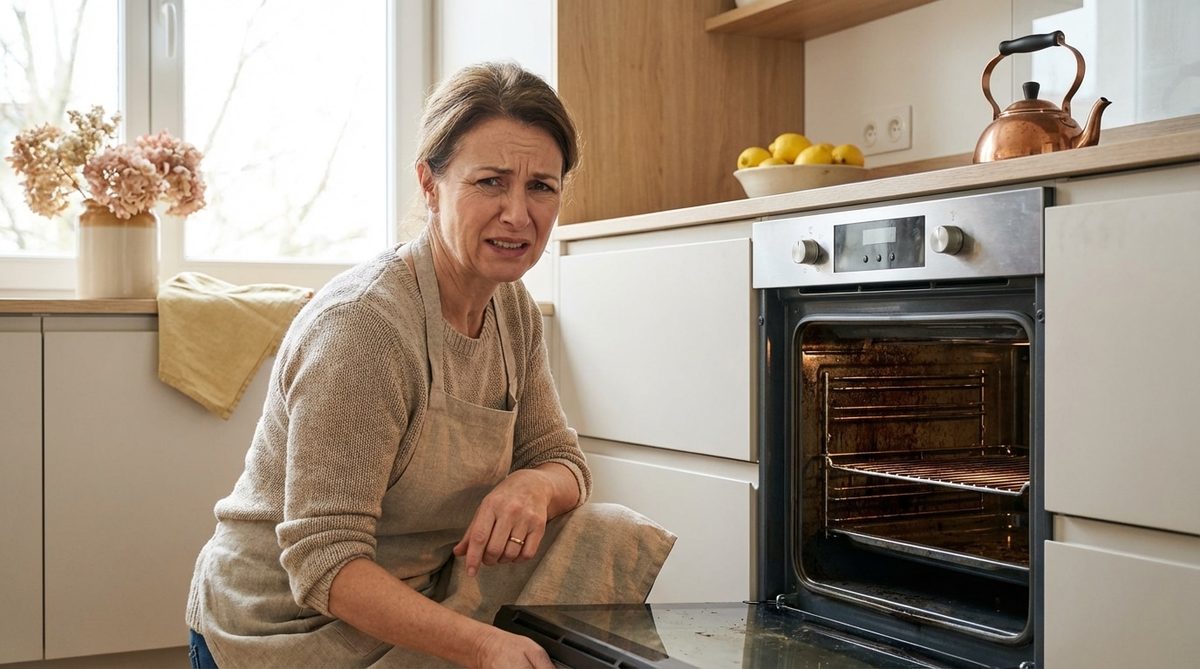
The holiday season left its mark. Between the endless galettes des rois and the winter roasts, your oven has been working overtime. Now, the interior is a mess of burnt grease and carbonized residue. The glass door is cloudy. A faint smell of burning lingers, even when the oven is just preheating. It ruins the comfort of cooking in the cold months.
Most people dread cleaning it. They imagine harsh scrubbing and toxic fumes. But there is a better way. A passive method requires zero physical effort. It skips the industrial strippers. It uses a simple reaction to tackle stubborn grime.
Why Chemical Strippers Are a Bad Idea
Deep cleaning an oven is usually the worst chore. Nobody wants to kneel on the floor, scraping at blackened walls for hours. The instinct is to buy heavy-duty oven cleaner. These products often contain caustic soda. They release irritating vapors. They are bad for your lungs. They can also damage the oven’s seals and delicate coatings.
You might spend hours inhaling fumes, only to find streaks left behind. The result is often worse than the problem. Instead, switch to a gentle mechanical approach. Let chemistry do the work. This protects your indoor air quality. It preserves the integrity of your appliance.
Gather Your Supplies
You likely already have these items in your kitchen. You do not need special equipment. Just basic tools and ingredients.
- Half a cup of baking soda
- A few tablespoons of water
- White vinegar in a spray bottle
- A non-abrasive sponge
- A soft microfiber cloth
The Nighttime Strategy: Let It Work While You Sleep
This method relies on time, not muscle. The key is a simple paste. It is easy to make. You mix the baking soda with just enough water to create a thick consistency. Apply this paste to the dirty areas of the oven. Avoid the heating elements.
The magic happens passively. Let the mixture sit overnight.
While you sleep, the paste works. It breaks down the baked-on grease. It lifts the carbon deposits. In the morning, the grime is loosened. You can wipe it away with minimal effort. The vinegar spray helps cut through any remaining residue. It also neutralizes the baking soda.
This approach is gentle on the oven. It is safe for the environment. And it is safe for your health. No masks needed. No heavy lifting. Just a clean oven and a clear head.
The next step is the final wipe-down. But first, let the paste do its job. You will be surprised by how much comes off with just a soft cloth.
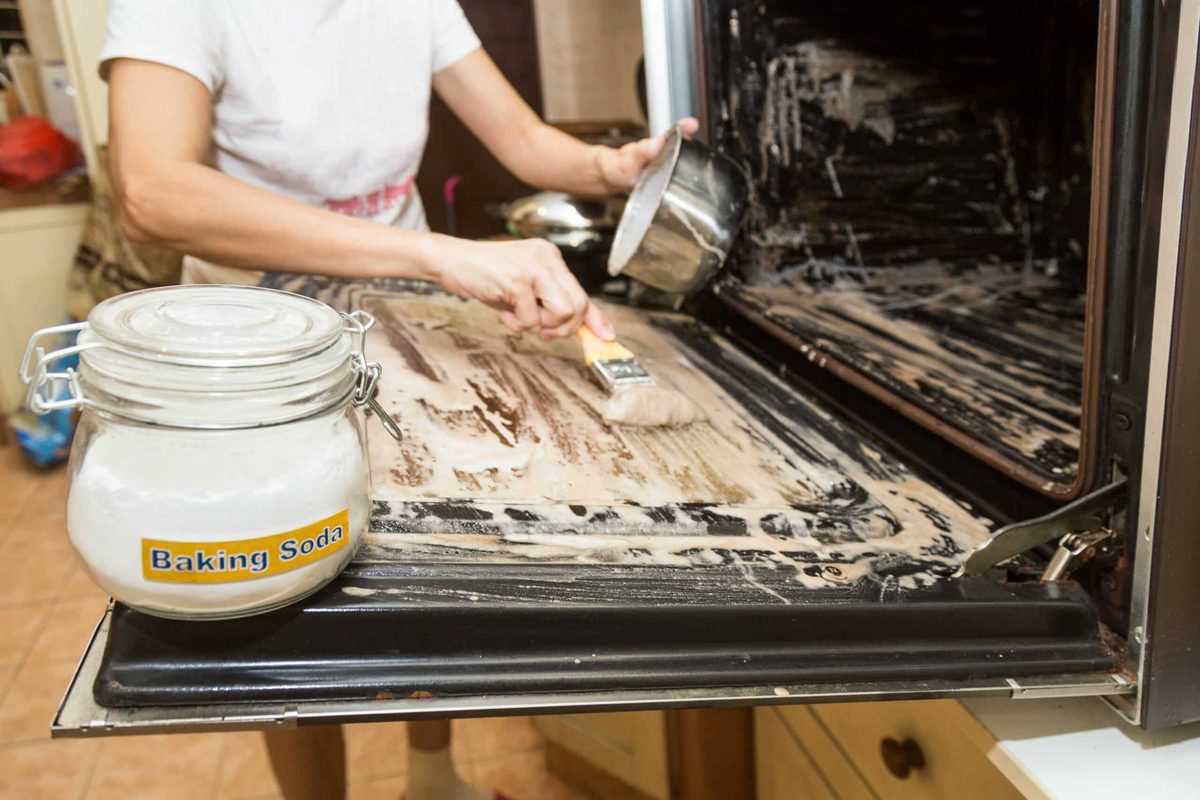
The magic isn’t in scrubbing. It’s in the chemistry of the paste. You’re making a homemade cleaning agent designed to lift grime without scratching your enamel. Grab a small bowl. Mix baking soda with water. Add the water slowly. You want a texture like toothpaste or thick ointment. This consistency is non-negotiable. It needs to be fluid enough to spread, but dense enough to stick to vertical sides without dripping.
Once mixed, slather it generously over the interior surfaces. Focus on the black grease spots. Be careful around heating elements. Don’t coat them; you risk damage. Now, you wait. Patience replaces elbow grease here. Let that paste sit for twelve hours. All night.
The baking soda works slowly. It penetrates baked-on fats. It uses its alkaline power to soften caked-on food residue. What felt like a nightmare task becomes a simple wipe-down.
The Fizz That Lifts Tenacious Stains
Morning comes. The paste has dried. If it’s turned brown, good. That’s the dirt pulling out. Now, grab a spray bottle filled with white vinegar. Spray it directly onto the dried baking soda.
Watch the reaction. It fizzes. The effervescent bubble action helps lift the last bits of stuck-on particles. It’s almost satisfying to watch. Take a damp cloth or sponge. Wipe away the paste and the grime. They come off with surprising ease. No scratching. No harsh chemicals transferring to your food. Just a clean, odor-free oven ready for your next roast.
Why This DIY Method Wins
This routine changes how you view oven maintenance. It’s not a chore. It’s housekeeping. The results often beat harsh store-bought cleaners. You’re also reducing chemical exposure. The dual-action of baking soda and vinegar cleans visually and sanitizes safely.
And it’s not just for ovens. Try this on tile grout. Or stubborn spots in the bathroom. Natural solutions can hold their own against industrial products. You get the shine without the fumes.