It started with a question I didn’t expect to ask.
“Why did we throw out so much rice lastnight?”
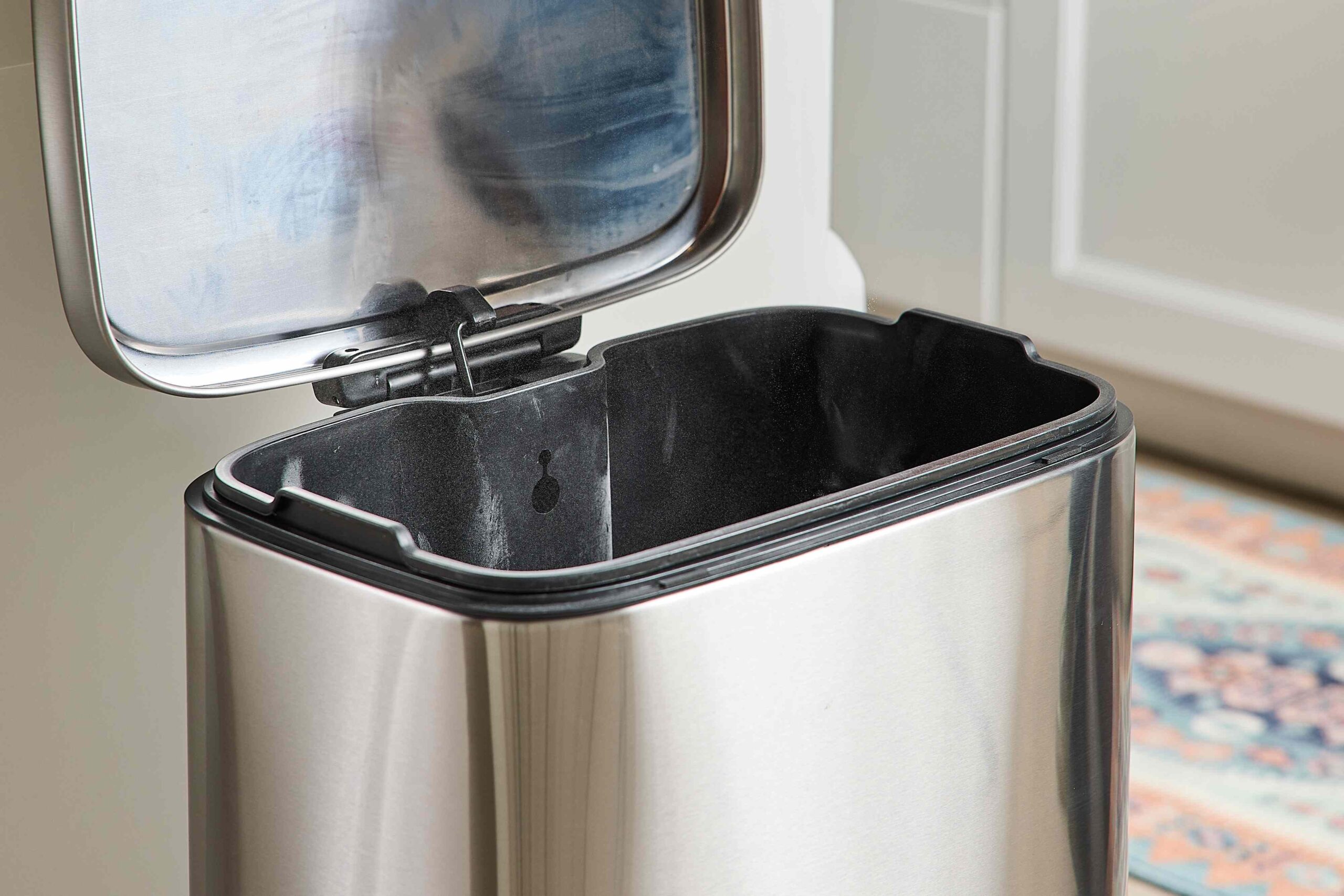
It was Monday morning in July. The air was thick, the kind of humid heat that makes laundry cling to your skin before you even step out the door. I was half-asleep, dragging myself toward the cat bowl, my eyes still crusty from sleep. The trash can sat near the kitchen, usually a black hole of indifference. But this morning, the contents were alive.
The rice wasn’t rice.
It was moving. Squirming. A writhing mass of white grubs where last night’s dinner scraps should have been.
My stomach dropped. It’s a primal reaction. Maggots are nature’s most aggressive cleanup crew, but they have zero place in your personal space. They are fly larvae. If you see them, a fly found a way in, and it laid eggs in something organic, moist, and warm. Rice, pasta, fruit pits—it’s all fuel. My apartment was usually a fortress against pests, but summer had broken through.
I had fifteen minutes. Maybe less. The bus didn’t care about my panic.
The Bleach Method: Why It Works
I don’t have time for elaborate traps. I don’t have time to research the best essential oils or scour the web for organic DIY remedies when I’m late for work. I needed speed. I needed chemistry.
I ran to the cleaning closet. Bleach.
Standard advice usually says to dilute bleach. It’s safer for surfaces. It’s safer for your lungs. But panic bypasses logic. I grabbed the paper towels and poured straight, undiluted bleach onto the stack. The fumes hit me instantly. Sharp. Chemical. Effective.
The goal wasn’t just to kill them. It was to suffocate them with fumes and burn the rest through contact.
Step-by-Step Maggot Eradication
Here is exactly what I did. You can too.
1. Isolate and Crush
I approached the bin with the paper towel saturated in pure bleach. The maggots on the outside of the lid were particularly bold, crawling over the plastic rim. I pressed the soaked towel down on them. It wasn’t elegant. It was messy. But they stopped moving immediately.
I gathered them all up. The ones on the rim. The ones slipping down the side. All of them went onto the paper towel.
2. The Fume Chamber
I dropped the clump of maggot-sodden paper towels back into the trash bag inside the can. Then, I closed the lid.
This is the critical step most people miss. You can’t just wipe them up and run. The remaining maggots are buried in the organic waste. Bleach kills on contact, but fumes work in the dark. By sealing the lid, I trapped the chlorine gas inside the bin. It was a chemical oven.
3. Wait (As Long As You Can)
Ideally, you leave this for an hour. Let the fumes penetrate the deepest layers of sludge. I had ten minutes. I watched the bin. I waited. Ten minutes of staring at a plastic cylinder while my heart rate slowly descended from “fight or flight” to “mild anxiety.”
When I lifted the lid again, the difference was visible.
Most of the maggots on the surface were dead, their white bodies stiff, sliding off the waste and into the bag. The fumes had done the heavy lifting. They couldn’t hide from the gas.
4. Secure and Sanitize
I tied the bag. Tight. I threw it out immediately. I didn’t look inside. I didn’t want to.
But the bin itself was still a hazard. Live eggs could remain in the crevices of the lid or the rim. I took the lid to the bathtub and rinsed it thoroughly under hot water. I disinfected the tub afterward because I am not stupid. Then, I sprayed the inside of the empty trash can with a standard household disinfectant.
The smell lingered for a bit, but it was better than the smell of decay.
Prevention Is the Only Real Fix
The maggots are gone. They stayed gone.
But why were they there in the first place? Flies are attracted to fermentation. Even if you throw out “dry” food, moisture from fruit juices or sauces creates a breeding ground. In warm weather, flies can turn an egg into a maggot in under 24 hours.
If you want to avoid this horror show next time, keep two things in mind.
First, wrap wet food tightly. Plastic bags aren’t enough if they leak. Double-bag it.
Second, and more importantly, keep the trash can itself clean. Maggots don’t just appear in the bag; they hatch on the rim where splashes occur. A quick spray down of the can lid once a week prevents them from having a foothold in the first place.
I was five minutes late to work. My boss asked why I looked like I’d seen a ghost.
“Rats,” I lied.
He didn’t believe me. Neither do I. But at least I’m not feeding a new generation of houseflies today.
The bin is clean. The apartment is quiet. But if you hear a faint buzzing near the kitchen counter… don’t ignore it. Check the trash.