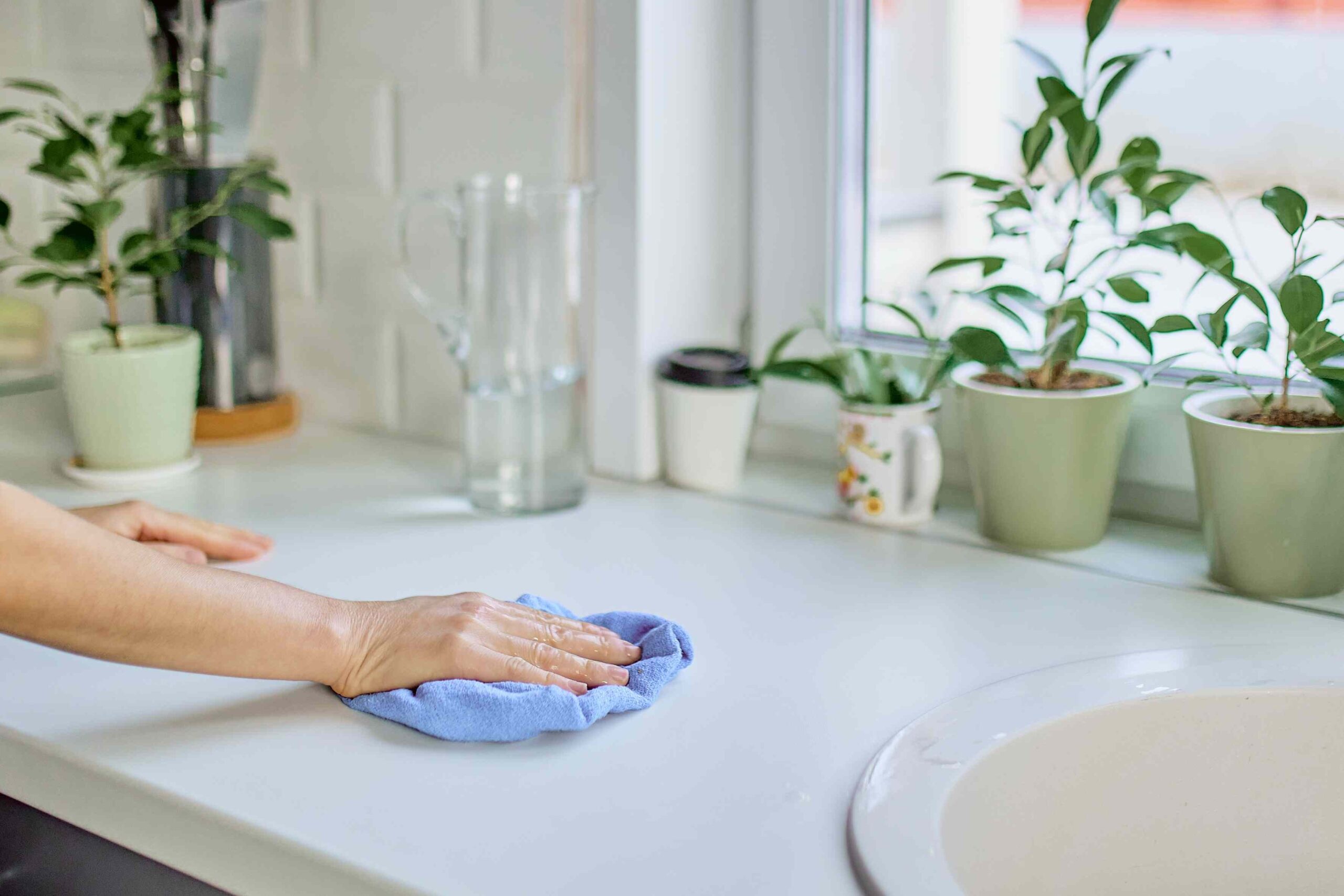
All-purpose cleaner is the hero of the cleaning aisle. You buy one bottle, you think it fixes everything. It’s convenient. It’s lazy. It’s also dangerous for half the items in your house.
“Despite its name, an all-purpose cleaner is not all-purpose,” says Ryan Knoll, founder of Tidy Casa. He includes the bottle in his kits, but admits it’s “used way less than people think.”
The reality is that using a multipurpose spray on the wrong surfaces doesn’t just fail to clean—it actively damages materials. Stainless steel. Stone. Wood. Screens. Glass. Here is where you should stop spraying, and what pros use instead.
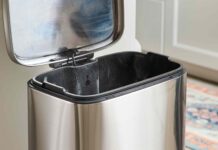
Stainless Steel: Avoid Multipurpose Sprays for Appliance Care
Kitchens are stainless steel jungles. It’s easy to grab the nearest bottle and wipe down the fridge. Don’t.
Knoll warns that all-purpose cleaner “leaves streaks or creates a dull, cloudy finish.” That cloudy haze? That’s residue from the wrong chemistry. For a clean that actually shines, use a dedicated stainless steel polish. These products provide the fingerprint resistance people love.
Taylor Riley of AMR US Commercial Cleaning points out a deeper issue. Ingredients like ammonia, bleach, or citric acid can wear down the protective finish over time.
For stainless steel, use a cleaner made for the metal or a mix of mild dish soap and warm. Use a microfiber cloth. Wipe with the grain to prevent scratches.
How to Remove Kitchen Grease Without Damaging Surfaces
Grease is stubborn. All-purpose cleaners aren’t tough enough.
“All-purpose just can’t hold its own” against built-up grease on range hoods or cabinet tops, Knoll says. You are wasting your time.
Dawn dish soap and water work better. The surfactants in dish soap cut through lipid bonds that standard all-purpose sprays can’t touch. Simple. Effective. Less risk to your cabinets.
Natural Stone Cleaning: Why Multipurpose Sprays Are Risky
Granite. Marble. Quartzite. They look indestructible. They aren’t.
These surfaces are porous. Knoll and Riley agree: avoid all-purpose cleaners entirely. Many multipurpose products sit at either end of the pH scale. Too acidic. Too alkaline. Both strip the sealant protecting the stone.
“Once that seal is compromised,” Riley says, “the stone becomes more prone to staining and permanent damage.”
Use only stone-specific cleaners. Preserve the seal. Save the surface.
Cleaning Electronics Safely: Screens Need Special Attention
Your TV screen. Your laptop. Your phone. These are delicate.
All-purpose cleaners are too harsh for electronic displays. They can damage anti-glare coatings. Knoll also warns against water damage. These devices are susceptible to liquid intrusion. Even a light mist of the wrong cleaner can seep into ports or seams.
Keep electronics away from the all-purpose bottle. Use microfiber and solutions designed for optics or screens only.
Glass Cleaning Mistakes: Why All-Purpose Cleaner Streaks
Everyone wants streak-free glass. Windows. Mirrors.
Knoll advises against using multipurpose cleaners here. The result is rarely clean. It’s streaky. Hazy. Often worse than when you started.
Glass requires a vinegar-based solution or a dedicated glass cleaner. Ammonia-free options work best to avoid residue. Wipe with a squeegee or lint-free cloth.
Safer Alternatives for Common Household Surfaces
If you are looking for safe ways to clean common surfaces, start by checking your cabinet.
| Surface | Avoid | Use Instead |
|---|---|---|
| Stainless Steel | All-purpose cleaner (streaks/dulls) | Dedicated stainless polish or dish soap/warm water |
| Kitchen Grease | All-purpose cleaner (ineffective) | Dish soap (e.g., Dawn) and water |
| Natural Stone | All-purpose cleaner (strips seal) | pH-neutral stone-safe cleaner |
| Wood Furniture | All-purpose cleaner (strips finish) | Wood polish or damp microfiber |
| Electronics | All-purpose cleaner (coating damage) | Screen-safe solution and microfiber |
| Glass/Mirrors | All-purpose cleaner (streaking) | Vinegar solution or dedicated glass cleaner |
The logic is simple. Different materials have different needs. One bottle does not fit all. Stop forcing a square peg into a round hole. Your home will thank you for the extra minute it takes to pick the right tool.