If you’re tired of finding little invaders in your dry goods, stop blaming it on bad luck. Ants are predictable. They work on scent trails and colony hierarchy. You can break this cycle. You don’t need chemical warfare. You need consistency. And a few smart ways.
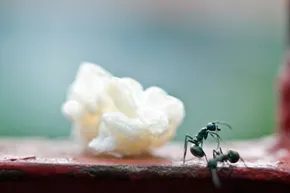
The problem usually starts with one scout. An single worker finds crumb of soda cracker or drops of spilled soda. It eats. It returns to the nest. It leaves a pheromone trail. Suddenly you have a trail of insects marching from your pantry to your back door. They don’t invade your home because they hate you. They are invading because you left a crumb.
The Clean-Up Rule
You can’t fight infestation with a dirty kitchen. A dollop of peanut butter on the counter is not “clean enough”. For an ant, it’s a banquet. If you see a spill, wipe it up immediately. This does two things. It removes a food source. It prevents the formation of a scent trail.
Crumbs also promote bacteria. This is a secondary problem, but ants are the first to responders to mess. Keep countertops clean. Store pet food in an airtight container. If a cat’s kibble is left in a plastic container on the floor, the ants will find it. Close these containers.
Seal the Entry Points
Cabinet seams are not flaws. They are invitations.
The mismatched joint behind the cabinet is a highway for foragers. You must block these routes. Start with the obvious points. Skirting boards. Windows. Doors. Check your foundation. See where water pipes and electrical wires enter the house. These openings are open to ants, mice and termites.
Use caulk for larger cracks. petroleum jelly works surprisingly well for small cracks. It disrupts their scent trails and prevents physical access. Check these areas regularly. Look for mud splashes or droppings. If you see them, close them again. This is not a one-time solution. It’s maintenance.
Use ant bait to target the queen
Sprays kill workers. Baits kill the colony.
This is the most important step how to get rid of ants in your cupboards permanently**. Ant baits contain slow-acting toxin. Worker ants eat the bait. They carry it back to the nest. They feed it to the larvae and the queen. The queen dies. The colony collapses.
This process takes time. Don’t expect immediate results. It may take several weeks for the poison to spread throughout the colony. Place the bait traps near the paths, but not directly on them. Let the ants find it. If you spray near the bait, you will kill the workers before they can bring the bait home. It defeats the purpose.
Natural Deterrents for food areas
You may not want to use toxin near cereal. Natural repellents can help keep ants away from stored food.
Sprinkle cinnamon or cayenne pepper on the shelves of your cabinet. Ants do not like strong smells. They avoid it. Bay leaves also have a deterrent effect. Place the whole leaves in flour bins or sugar jars. Vinegar, lemon juice and peppermint essential oil are other options. They interfere with scent trails without contaminating your food.
These methods are preventive. They do not stop an established colony. But they do help prevent new scouts from targeting your pantry.
Diatomaceous Earth and nest destruction
If the ants are coming in through a particular opening that you can’t seal, try diatomaceous earth. This powder consists of fossilized algae. For ants, it’s like razor blades. It cuts through their exoskeleton. They dry up and die. They will not cross any line.
You can also try to destroy the nest yourself. Track the ants to their origin. If you find a nest outside, you can flood it with a water hose. Insert the hose as deep as possible. Turn on the water. A few treatments should flush them out.
Warning: Do not do this if you are dealing with fire ants. Their sting is dangerous. If you have fire ant problems, Stick to bait or deterrents.
Final Thoughts
Prevention is easier than eradication. Clean any spills. Seal cracks. Use the bait proactively. Natural repellents add a layer of security. It’s not about perfection. It’s about creating an environment hostile to insects.
Ants are persistent. They’re test your seals. They’re looking for the smallest gap. Stay alert. Your cabinets will remain ant-free. Your home will remain your home.