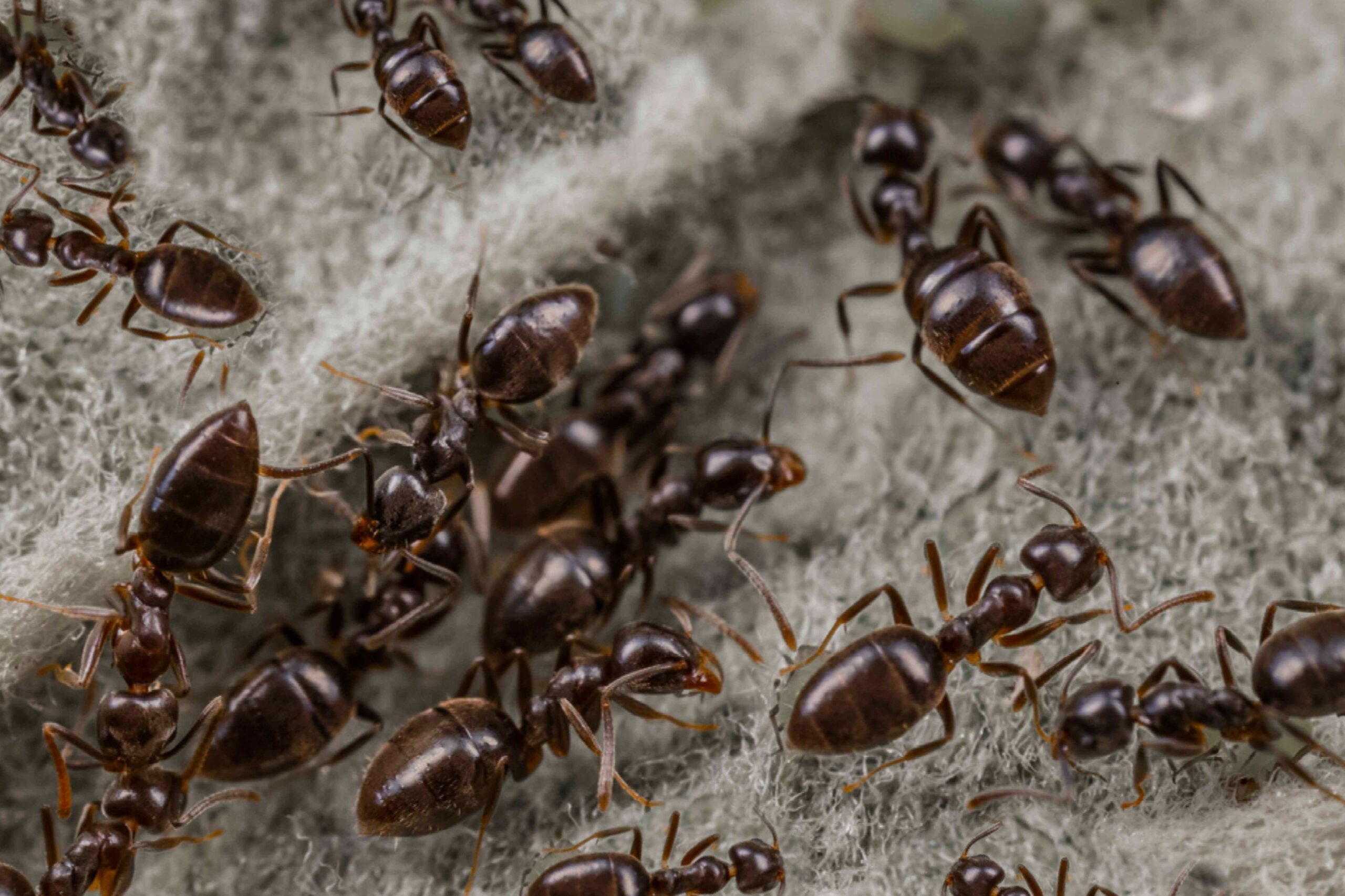
They are everywhere. From March until October hits, these tiny invaders want in. They’re looking for three things. Food. Water. Shelter.
And they find a way in through the tiniest gaps. A hairline crack in the foundation? Easy access. A space behind a doorframe? Invited in. Most of us just spray them down, but that’s a trap. Killing the visible workers does nothing for the colony. In fact, it often makes it worse. You want to go for the source.
So how do you actually stop this? You need to be smarter than them.
Don’t just kill what you see. Attack the nest.
Bait: The Silent Killer
Sprays are loud. They’re fast. But they’re useless long-term. Bait is the quiet killer. It’s poisoned candy, essentially. Worker ants grab it, take it home, and feed the rest of the family. The queen dies. The colony collapses.
Commercial baits work fine. They’re sugary and sweetened with borax or similar toxins. If you like mixing your own poison, here is a recipe that actually works. Mix 3/4 teaspoon borax with 1/4 cup sugar. The ants can’t resist the sweet taste, and the borax does the dirty work.
Prefer citrus? D-limonene is an acid found in orange peels that’s toxic to ants. Dry up some citrus rinds, sprinkle them with sugar, and place them along the trail.
Wait, what about baking soda? It only works if you mix it with powdered sugar AND boric acid. Plain baking soda is mostly just… baking soda.
Placement matters. Put the bait right near the trail. Close enough to find. Far enough away that your dog or toddler doesn’t eat it. Safety first.
Natural Deterrents and Heavy Hitters
Maybe you hate the idea of poison in your house. Fine. Use smells that annoy them.
- Vinegar mixed with water.
- Used coffee grounds.
- Powdered cinnamon or cloves.
- Cayenne pepper.
These won’t kill the queen. They might disrupt the scent trail. The ants will get confused, sure. But you have to reapply these constantly. It’s a war of attrition, not a knockout.
If you see an outdoor nest sending troops into your living room? Drench it. Use an insecticide labeled for that purpose. Follow the instructions. Do not improvise with chemical cocktails.
If you are drowning, call a professional. There is no shame in hiring help. But be careful with broad-spectrum pesticides. You might kill the bees. And we need the bees more than we hate the ants. Selective sprays target ants without wiping out the good guys.
Seal the Frontiers
Prevention is cheaper than extermination. Mostly because you’re home when you do it.
- Seal the leaks. Water is gold to ants. Fix drips. Clean spills.
- Board up the house. Inspect the foundation. Caulk the windows. Tape the wires. No cracks.
- Pull the plants back. Keep vegetation at least 3 feet away from your foundation. Plants are bridges. Ants use them as highways. Cut the bridges.
Food storage is basic. Airtight containers. Not Tupperware that clicks but isn’t sealed. Airtight. Empty the pet bowls after feeding. Sweep the floor. Even a crumb of grease is a banquet.
Diatomaceous earth is another trick. It’s abrasive. It hurts them on contact. Sprinkle it near entry points. Essential oils like peppermint, eucalyptus, and tea tree smell like heaven to us but like poison to them.
Know Your Enemy
Are those termites? Are those carpenter ants? It changes everything.
Common Ants
Pavement ants, pharaoh ants, odorous house ants. They’re small. Dark or light brown. Yellowish maybe. They don’t bite. They just steal your sugar and grease. Annoying. Manageable.
Carpenter Ants
Big. Up to 5/8 of an inch. They look like giant versions of the common ants. Some are black, some reddish-orange. They have wings, occasionally. They don’t eat the wood. They chew it. They hollow out your structural beams to live inside.
Sign of infestation? Fine sawdust. Pile it up around your sill plate? That’s wood dust. Call a pro immediately. These guys ruin houses.
Termites
They don’t come with a segment. Maybe they should. Or maybe they are the shadow looming over the whole conversation.