The frost is still clinging to the lawns on this January 31st, 2026. Most gardeners assume the season is locked in absolute dormancy. It’s a common mistake that leaves many orchards missing out on a brilliant addition. There is one specific fruit tree, often overlooked or wrongly deemed too exotic for our latitudes, that actually demands this winter window to settle in. This plant doesn’t just survive being planted now; it requires the cold to establish deep roots. It promises an unexpected abundance of sweet, energizing fruit by next autumn. It’s far from a delicate greenhouse specimen. It’s a true warrior of the temperate climate, capable of turning an ordinary backyard corner into a colorful pantry.
The Persimmon: A Frost-Defying Autumn Star
The best-kept secret of productive orchards is the persimmon (Diospyros kaki ), the tree that gives us the famous kaki. Contrary to popular belief that associates it exclusively with Mediterranean climates, the persimmon shows impressive hardiness. Once established, it can withstand temperatures dropping to -15°C, or even lower for certain varieties. This makes it an ideal candidate for most regions, including areas north of the Loire.
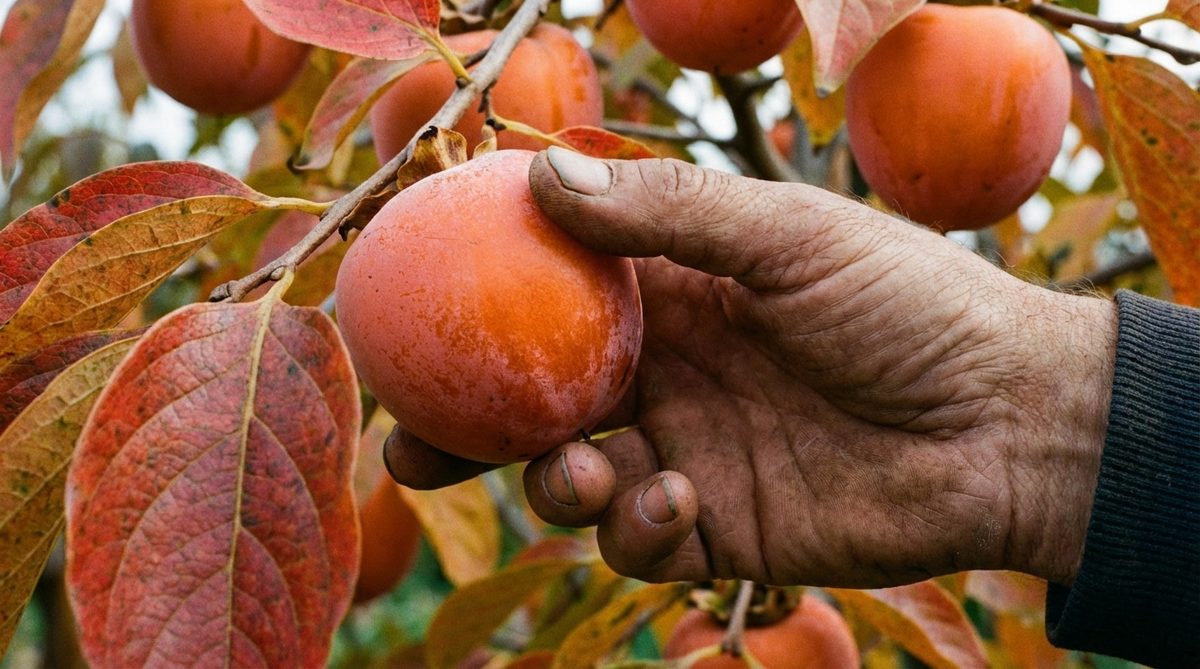
Its life cycle is a major advantage for the amateur gardener. While apple and pear trees have already yielded their harvest, the persimmon takes the baton. Its fruits—vivid orange spheres—ripen late. They bring a splash of fiery color to the garden just as the November gray sets in. It’s a visual spectacle as much as a gustative promise, transforming the leafless tree into a natural Christmas tree covered in edible baubles.
Bare-Root Planting: The Vital January Ritual
Why focus on this tree specifically in late January? Because it’s the critical time to acquire it in its most economical and vigorous form: bare-root. In garden center aisles or at nurseries, you’ll find these young scions without pots or soil, waiting to join the ground. Planting bare-root is a cost-effective gardener’s trick that promotes a much faster and robust recovery than container planting.
The planting process requires precise but accessible gestures:
- Dig a wide, deep hole so the roots can spread without constraint.
- Trim the tips of any damaged roots to encourage new growth.
- Perform pralinage (a muddy mix of soil, water, and ideally cow manure) to coat the roots and prevent air pockets.
- Stake firmly against winter winds.
This winter work is the foundation of success. By installing the tree during its vegetative rest, you allow it to develop its root system before the spring awakening. This ensures optimal growth as soon as the warmer days arrive.
Ironclad Health: The Beginner’s Dream
One of the most convincing arguments for adopting the persimmon is its natural resistance. In an era where ecological, pesticide-free gardening is becoming the norm, this tree is a standout student. It is remarkably insensitive to common diseases that often decimate amateur orchards, such as scab or powdery mildew. Pests seem to leave it alone too. This allows you to obtain healthy fruit without resorting to a battery of chemical treatments.
For the urban gardener or the one who wants to enjoy the outdoors without spending every weekend on it, this is a boon. It doesn’t require a complex treatment calendar. Well-drained soil, some compost at planting, and regular watering for the first two years are usually enough for its happiness. It’s the very definition of smart gardening : minimal effort for maximum result.
Persimmon Persimon in the Pantry: The Crunch That Cuts Through the Gray
Choosing the right variety is crucial to avoid culinary disappointment. The Persimon variety (or PCA type, with firm flesh) changes the game completely. Forget classic persimmons that you had to eat mushy, spoon by spoon, to avoid astringent mouth-puckering. The Persimmon crunches whole, like an apple, right after harvest. Its flesh is firm and crunchy, offering subtle flavors of vanilla and peach.
This fruit is an unavoidable health ally for facing winter. Packed with Vitamin C and antioxidants, it provides welcome energy when daylight fades. In the kitchen, its versatility is surprising:
- Thin carpaccio slices with a drizzle of olive oil and hazelnuts.
- Cubes in an autumn fruit salad with pears and pomegranate seeds.
- Simply eaten raw as a snack for a natural sweet pause.
Investing a few dollars in a young sapling at the end of January is a bet on the future with exceptional returns. Persimmon is a generous tree. After its establishment, its production increases year by year. It is not uncommon for 5-6 year old subjects to bend under the weight of several tens of kilograms of fruit.
This abundance allows reserves. You can share it with the neighborhood or start making original jams.
Low maintenance for high yields
Long-term maintenance is minimal. Pruning is often limited to removing dead wood. You also want to aerate the center of the tree to allow light to pass through. Unlike stone fruit trees, which require technical fruit pruning, persimmons are forgiving of mistakes. It continues to produce faithfully.
Each autumn offers a rewarding harvest. This confirms a wise choice made in the middle of winter.
Plant bare-root trees in winter
Planting bare-root persimmons in January is one of the smartest things you can do in the garden. It ensures that the coming autumn gray turns into a celebration of colors and aromas. All of this happens with amazing ease.
Why not use this weekend to prepare your planting hole? Invite this champion of hardiness into your garden.


