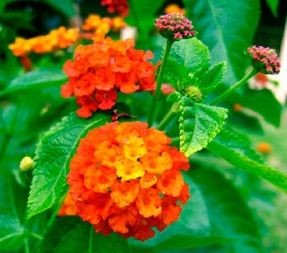
If you want a color that won’t fade before the first frost, look at Lantana. These annual shrubs are the absolute workhorses of the summer garden. You’ll see them draped with white, yellow, gold, orange and red clouds. This is also a moving target. The flowers in each cluster change color over time. Old flowers often look completely different from the newer buds blooming next to them. From June to September, the gardens are an explosion of chaos and beauty.
Sun, heat, neglect
Lantana doesn’t care about your fancy compost. In fact, they like it better. They thrive in full sun and intense heat. Give it a poor soil and watch it bloom. In fertile soils it often becomes leafy and lazy. To enjoy the best floral display, you need to starve them a little a little.
They are woody shrubs at heart. Expect them to get big. A typical plant spreads 3 feet wide and grows 3 feet tall over the course of a single season. The leaves are large and rough to the touch. If you live in a warm climate and protect them from frost, they can become perennials. In this case, the height can increase up to 15 feet in a few years. But for most of us they are annuals. Plant outside only when the soil is completely warm. They don’t like the cold.
Planting and spacing
When digging holes, don’t crowd them. Space the plants about 18 inches apart. This gives the bush enough space to air out and reach its full width without tangling with neighboring bushes. They grow fast. If you wait too long to plant, you’ll spend the entire summer trying to control the spread.
Containers and window boxes
This is where Lantana really shines. This year is probably going to be the best container year ever. You can tuck them into on a sunny windowsill, let them cascade from hanging baskets, or give them a home in large patio planters. The root system handles confinement well. In a pot, you can create a perfect summer display without the plants taking over the lawn. make sure the container has drainage holes. Wet feet can cause root rot.
Propagation and Varieties
If you want to grow plants yourself, take cuttings in February for spring planting. This way you can start early before it gets too hot. This is an inexpensive way to multiply your stock.
If you want to control the size, there are certain varieties. Take New Gold, for example. It stays smaller and only grows 18 to 24 inches tall. This makes it perfect for planting in small spaces or in front of borders. The scientific name is Lantana hybrida. Every year, different hybrids are found in nurseries. If you’re not sure if you have the space, Look for those with compact habits.
Safety and Maintenance
A quick safety note. Lantana is toxic when eaten. Especially berries. Be careful around pets and small children. This is not the kind of plant you can place on a low coffee table. Also prune back any leggy growth at Midsummer to encourage fresh blooms. Deadheading is not necessary, but it helps to keep the plant looking nice. Letting the berries form can attract