You probably don’t think about the woman who invented the modern dishwasher every time you load the racks. But if Josephine Cochrane didn’t exist, you’d still be scrubbing china with a rough sponge at the sink. It would be miserable. And it wouldn’t be clean.
Cochrane was a Victorian-era woman who liked to host dinner parties. Her servants kept chipping her valuable 17th-century china. She hated washing dishes. So, in 1886, she built the first practical dishwasher. She improved on a clumsy 1850 design by Joel Houghton. Houghton’s machine was hand-cranked. It just splashed water. Cochrane’s machine used a motor. It pumped hot soapy water from a boiler over the dishes. People eventually loved it.
The Hygiene Gap Between Machine and Hand
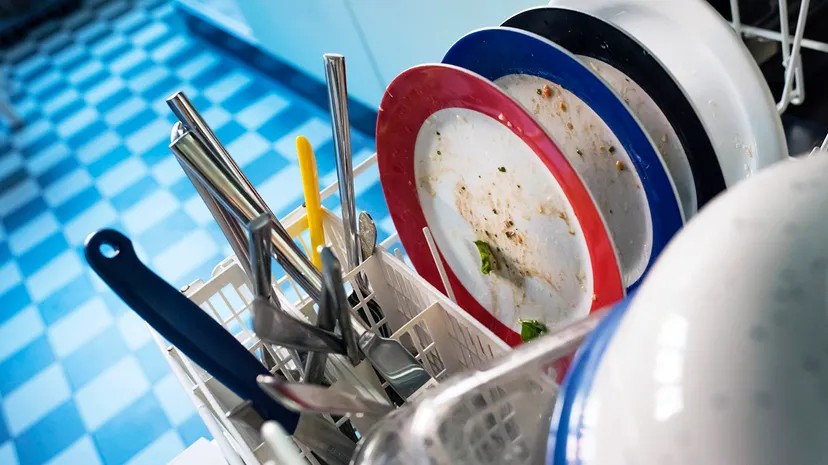
We now know that dishwashers kill more germs than handwashing. Modern machines use scalding hot water. They use high-tech spray nozzles. These features cleanse dishes better than human hands ever could. Your hands can’t withstand the heat required to sanitize properly. Most dishwashers use 140 to 145 degrees Fahrenheit. That is 60 to 62 degrees Celsius. You would burn your skin.
The sponge you use for handwashing is a problem. It is a breeding ground for bacteria. Scientists have found nearly 400 different species of bacteria on household kitchen sponges. The density is around 45 billion per square centimeter. That is a lot of germs.
Time and Water Savings
Using a dishwasher is healthier. It also saves you time, money, water, and energy. New ENERGY STAR dishwashers use less energy and water than handwashing. The Environmental Protection Agency says they use about 5,000 gallons a year. Handwashing uses more.
Romania recognized Cochrane’s contribution. In 2013, they put her on a postage stamp.
The Allergy Debate
Swedish researchers looked at this in 2015. They found that kids in households with hand-washed dishes had fewer allergies. Children in homes with dishwashers had more. The researchers thought handwashing exposed kids to more microbes. These microbes jump-started their immune systems.
The history of the dishwasher is messy. Cochrane’s machine was a luxury item at first. It wasn’t for everyone. But it changed how we clean. It changed what we expect from our kitchens.
Handwashing feels familiar. It feels like you are doing something. You are touching the dishes. You are scrubbing. But the water in the sink is cooler. The sponge is dirtier. The machine is hotter. The machine is cleaner.
Which do you trust? Your hands or a motor? The answer might surprise you. Or it might not. You might just keep loading the racks.