The first thing people notice is your wardrobe. It’s not just about style and fit. It’s all about cleanliness. Is your shirt new or dull and worn? We strive to make our clothes look sophisticated.
Most of us rely on wet cleaning. This is normal use of soap and water. Dry cleaning also exists, but it uses chemicals and ultrasonic devices to remove stains without water. You usually pay a professional for this. Wet cleaning? That’s your domain. Whether you use the machine at home or toss a coin in the laundromat, you are part of a large-scale tradition of automation.
Washing machines have now become an integral part of our daily lives. Laundry is part of family life. We have come a long way from our early days.
A brief history of using dirty laundry
Patented in 1860, the Union washing machine was a hand-cranked beast. Rub the clothes between two washboards with boiling water and soap. It’s hard work. Two years later, the Union Wringer was patented. This device is attached to the washing machine and is used to squeeze the water after the washing program.
These 19th century inventions were known as “washing machines” long before the advent of electricity. This principle has not changed even today. Soapy water can dissolve dirt. After this, the machine rinses and squeezes it out. But now electric motors do the heavy lifting. Most people have never touched a washing machine without a built-in spin cycle.
“The washing machine itself has become an important part of building a home.”
Construction of the washing machine
Open the cover or hatch. What did you see? It’s a big drum.
What you see behind is the basket. It has holes to allow the water to drain out. Surround the bathtub. You can’t look at it directly. It’s a solid compartment that holds the water. The basket moved. The bathtub stays put.
Water supply is key. Hoses and pumps move water through the system. When you install the machine, connect it to hot and cold water. Another hose carries the waste water to the drain. These taps and drains can be found in almost every modern washroom.
An electric motor drives the basket. If you’re looking at a repair manual, this word might sound familiar. It’s like a car shop manual. You’ll see terms like belts, hoses, clutches, transmissions, and brakes. The motor follows the program selected with the selector. Digital and mechanical components work together to complete this cycle.
Dispensers add detergent, bleach and fabric softener. You load them before starting the cycle. The machine dispenses each one at the right time. This ensures that the detergent mixes thoroughly with the water. It also prevents concentrated bleach from splashing onto your clothes.
Household washing machines are mainly divided into two types: top-loading and front-loading. They share common core components. They have distinct behaviors. Industrial machines in hotels and hospitals operate on the same scale, but on a much larger scale.
Don’t miss the regular maintenance of your washing machine
Modern machines last for decades. However, parts wear out. Belts and hoses are often left alone until they break. The filter captures hard water minerals. You won’t notice it until it gets clogged.
If you don’t want to do the inspection yourself, hire a small appliance mechanic. Inspect your equipment once a year.
Location is also important. If your washing machine is in an unheated garage, there is a risk of the hoses freezing. When the temperature is below freezing, Disconnect and drain them. Preventive care is always better than solving emergencies.
Top-loading and front-loading washing machines
The debate between top and front loading isn’t just about aesthetics. It’s about mechanics. Top loaders use an agitator or impeller at the bottom to tumble clothes. Front loaders rely on gravity and a rotating drum.
Which one is better? This depends on your water bill and floor space. Front loaders generally use less water and energy. They spin faster, extracting more moisture. This means a shorter drying time. If you have mobility issues, a top loader is cheaper upfront and easier to load.
But a third player has entered the conversation: high efficiency (HE) washing machines. These can be top or front loading. They use significantly less water than standard models. The washing cycle is longer, but gentler on the fabric. They require HE-specific detergent, as excessive foam can damage the machine.
Understanding these differences is the first step in choosing the right tool for your home.
How a top-loading washing machine really cleans your clothes
Most people think that all washing machines work the same way. they don’t know. You are probably considering one of two different machine options: top-loading or front-loading. The top loader comes with a cover and a vertical basket. Front loaders have a door in front and rollers on the sides. Both have their advantages. Both have flaws. But what about cleaning jobs? Things are very different here.
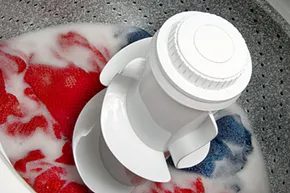
Top loaders rely on a certain mechanical dance. They use the agitator to move the laundry. This is the vertical pillar in the center of the drum. There are bumps. It sticks to the fabric. It drives.
Shake with a mixer. Turn left. Turn right. This back and forth movement creates friction. This friction loosens the dirt from the fibers. Effective cleaning. In some models, the fabric softener dispenser is built right into the top of this vertical column. I add fabric softener. The machine mixes during the cycle. It’s very simple. It is achievable.
But is it friendly?
Consider wear and tear on delicate items. Strong movements of the mixer can affect the seams. The dough may form unevenly. Wash a thick towel next to a silk shirt and the towel wins. A riot is a struggle for control. Over time, the collar may wrinkle or stretch.
Why choose a mixer instead of an impeller?
Not all top loaders use a traditional center post. Some brands are switching to running wheels. This is the lower thin plate. Rotate. Create a wavy motion. Cleans with less physical friction.
If you want to repair or buy used equipment, check your shopping cart. Are there high ridges? This is a regular blender. Is the floor flat and has a small rotating disk? It’s a running bike. Running wheels use water more efficiently. It’s usually relatively calm. However, if the drum is overloaded, it can get tangled in clothes.
Top loaders fill from above. You can add forgotten socks to your rotation. No need to bend over. This is important for older homeowners and those with back problems. Instant access.
Maintenance and safety measures
The mechanical function is damaged. Mixing connectors are a common point of failure. It’s under the mixer. Connect the motor to the frequency converter. If the motor rotates, but the mixer remains stationary, the clutch is disengaged. You need a wrench and a screwdriver to change.
Check the dispenser. Fabric softener may remain. Pipes can become blocked. Remove it. Soak in warm water and vinegar. Scrub with an old toothbrush. Don’t ignore this. If the dispenser gets clogged, your clothes will become stiff and yellow.
Safety first. Unplug the appliance before touching the cabinets. Top loaders are heavy. Use a cart when moving. Do not tilt the front loader against the door. It breaks. Top loaders are more forgiving of small bumps, but still respect them.
Which washing machine is suitable for your laundry?
If you frequently wash large items such as blankets, a top-loader may be more convenient. You can also push the drum. Drums are usually wide. However, too much load can cause you to lose your balance. The machine may stop halfway
Front loading mechanisms and efficiency trade-offs
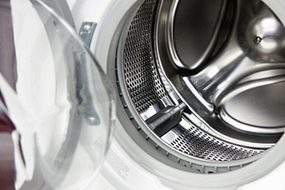
The drum inside the front loader doesn’t just spin. It has paddles. It protrudes from the side and slopes inward. Their job is simple. Just take your clothes and drop them. This agitation creates friction. Dirt comes off. It works in the same way as the agitator on older top loaders, but the mechanism is different.
High-efficiency front loaders are now everywhere. The reason is simple. Uses less water. Less detergent is used. You get clean clothes with less footprint on the environment. However, there is a problem. These machines are sealed and locked. Once this cycle starts, you’re locked out. You can’t stop to toss in a sock.
Top loaders give you pause. You can open the cover at any time. This is a compromise between comfort and efficiency.
Energy standards and detergent selection
EPA and the Department of Energy are working hard. They want household appliances that consume less power. The Energy Star program recognizes models that meet strict efficiency goals. Most high performance washers that pass these tests are front loading washers.
These machines have strict rules. Use only effective cleaning agents. Normal soap lathers too much. The system is overloaded. This confuses the sensor. Washing failed. Stick to the label.
Choose the right washing program
There is a program on your machine. The manual calls them cycles. All programs are sequences. Time, speed and temperature are set. Some stages are simply called cycles. Define the cycle as individual stage. The program is a whole series.
Here’s what happens on the main stage:
- Wash : Fills the tub to the water level set. Chemicals dump in. A load of agitates. Then it drains.
- Rinse : Add water. Stir. Drain.
- Spin : the basket spins at high speed. Leave the drain open. The water is blown away by centrifugal force.
These stages are combined into specific programs. Choose the right one for your fabric.
- Cotton, linen or normal : High spin speed. average time. Suitable for durable fabrics.
- Permanent Press : Rotation speed slows down. Reduces wrinkles.
–Colors : Cold water. Preserves dye. - Quick or speed wash : Hot water. For a short time. Suitable for lightly soiled loads.
–Delicates : Cold water. Does not spin or spins slowly. Suitable for wool and hand-washed clothes. - Pre-soak : Take a break between filling and agitates. Helps remove stubborn stains.
- Bulky or heavy : Slow rotation. Protects blankets and other thick objects.
- Disinfection : Use the hottest water available. kills germs.
Some devices allow you to adjust settings. You can adjust the water level manually. High-end models use sensors. Measure the size of your load size. Automatically adjusts water and time. Check the user manual. Find your options.
Kill germs in the laundry
Washing does not necessarily make it clean. Dirt remains. Dirt remains. The detergent gets trapped inside the fibers. The biggest risk is germs. Hot water alone is not enough. Requires special chemicals.
One of the following agents is needed to kill most germs:
- Liquid chlorine bleach : At least 5.4% sodium hypochlorite. Look for Clorox or Purex.
- Quaternary Sanitizer : Roccal or CO-OP Sanitizer.
- phenolic Sanitizer : Lysol or Pine-Sol.
- Pine oil concentrate : The pine oil content must be at least 80%.
Don’t guess. Use the appropriate product. Your clothes will be cleaner.