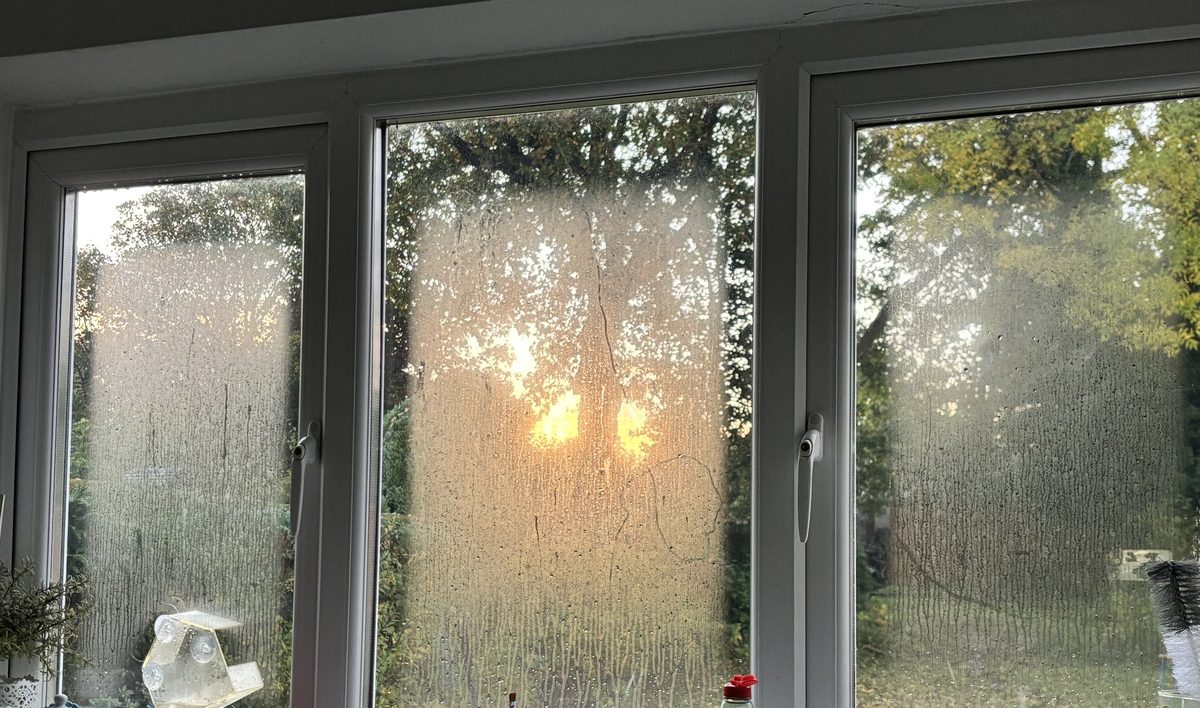
Everyone’s worst winter nightmare is waking up to a miniature swimming pool on the windowsill. It’s cold outside. The heating is switched on. And your glass is crying. This is not just an eyesore. It is dangerous to health. Mold loves this kind of moisture. Usually the culprit is the insulation or the thermostat. But the real culprit is physics. And you can fix it without knocking down your walls or doubling your utility bill.
Wet glass physics
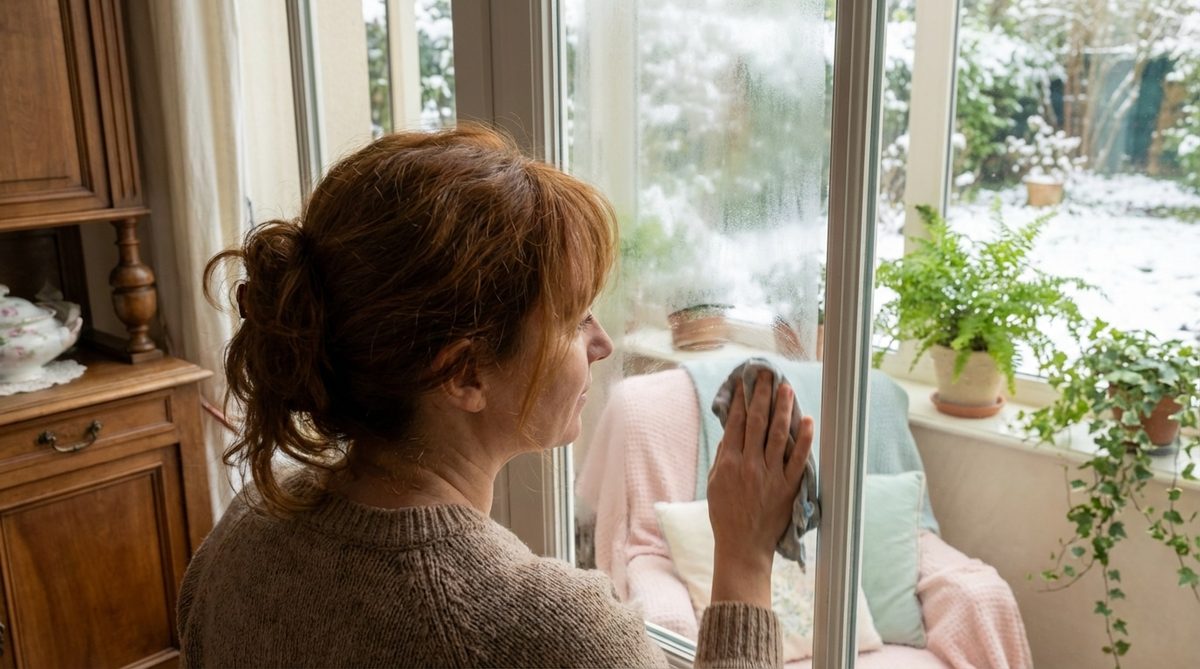
Condensation on windows is no accident. It is a predictable reaction between temperature and water vapor. Your indoor air is warm. Ideally, you should keep the house temperature at 19-21 degrees Celsius. The window glass is cold. It touches the freezing air outside. When warm, moisture-laden air hits this cold surface, a shock occurs. Air can no longer hold water in gaseous form. It will become liquid. These drops run down the window.
This happens quickly when the temperature difference is more than 10 degrees. This also happens if the humidity in the room is over 50%. Think of air like a sponge. Warm air contains more invisible water. Cold air holds less. When the warm air cools on the glass, it displaces its moisture. This is why the windows are wettest in the morning. The night heating does not work. It’s getting colder outside. The glass becomes the coldest part of the room. Even double-glazed units are not immune. They just freeze more slowly.
Ignoring this signal is costly. Water breaks down the seals. It blackens the walls. It ruins indoor air quality. You stop passively accepting your own private weather system.
Breaking the saturation cycle
To stop saturation, you need to change the variables. You can’t change the weather outside. You can change the indoor air. You can easily change the temperature of the glass surface. However, the most effective lever is humidity control.
Here is the practical reality:
- Ventilate daily. Open the windows twice a day for 10 minutes. This flushes out the moist air. It doesn’t matter how cold it is. The exchange happens quickly. Heat loss is minimal compared to mold damage.
- Reduce source humidity. Dry clothes indoors. As a result, large amounts of water are released into the air. Use fans in the kitchen and bathroom. Turn it on while showering. Then leave it on for 20 minutes.
- Check the heater. Steady, low heat helps. It keeps the walls and glass warmer than intermittent shocks. A steady 19 degrees beats 25 degrees for an hour and then drops to 15 degrees.
Kitchen solution
A simple kitchen product has a simple, surprising trick to help bring this problem under control. It’s not hacking. It’s a physical property. Salt absorbs moisture from the air. It is hygroscopic. Place bowls of coarse salt on windowsills. The salt removes excess moisture from the air around the window. It lowers the dew point locally. The glass stays drier.
It is not a panacea for a poorly insulated home. But it takes time. It gives you dryness. It prevents the accumulation of water. Combine this with ventilation. Combine with sensible heating. The windows stay clear. The air stays healthy. The mold does not start.
The actual work is maintenance. No renovation. Maintenance. Check the seals. Clean the sills. Look at the hygrometer. If the number goes up, act. Don’t wait for the black spots. They are more difficult to remove than water.
Stop the Source: Don’t Dry Clothes Indoors
Drying wet laundry inside during winter is a major mistake. It adds liters of water to the air. The atmosphere saturates quickly. This vapor seeks a cold surface. It turns your home into an unintended sauna.
You must control water eviction. This applies to laundry, cooking, and showers. Monitor this water input first. Do not wait to treat the windows themselves.
Track Humidity with a Hygrometer
An hygrometer is a small investment. You can find one for about 8 euros. It changes the game. The device tells you exactly when to act.
Act when humidity exceeds 55% or 60%. This threshold signals the need for corrective action.
The most effective fix is shock ventilation. Do not leave a window cracked all day. This cools walls and wastes heat. Open the window wide for ten minutes. Do this morning and night.
This brief period is enough. It replaces stale, humid air with dry outside air. It does not cool the building structure. It does not chill your furniture.
Maintain these habits for a healthy atmosphere:
- Keep indoor temperature stable. Avoid violent thermal shocks.
- Always use the range hood while cooking.
- Close the bathroom door after showering. Leave the window or VMC running.
- Never block ventilation grilles on windows or walls.
The Dish Soap Trick for Fog-Free Glass
Controlling ambient humidity is crucial. There is also a secret barrier against water on glass. It uses dish soap.
Condensation forms because water has high surface tension. Molecules clump into beads. They stick to the glass. Dish soap is a powerful surfactant. It breaks this surface tension.
Water molecules cannot agglomerate into pearls. Humidity spreads into a uniform film. This film evaporates faster. The window stays clear. The sill remains dry.
How to Apply the Anti-Fog Film
The application is simple. It takes seconds. Protection lasts for days.
Place a small amount of pure dish soap on a clean, dry cloth. Use paper towel if you prefer. Rub the interior glass with circular motions. Clean it like you normally would. Do not rinse.
Leave a microscopic protective film. If soap traces are visible, wipe lightly with a dry cloth. Do not remove everything. You need to preserve the treatment’s effectiveness.
This soapy layer is a temporary anti-fog shield. It is very effective. Renew it when effects fade. Apply it before the next window cleaning.
Combining good ventilation with the dish soap trick ends wet windows. Simple, cheap gestures offer the best comfort improvements. The best solutions are often the ones we overlook.