You put on your favorite navy button-down, confident and ready for the day. Then you catch a glimpse of yourself in the mirror. There it is. A chalky, crusty ring under the arm.
It’s not just unsightly. It’s a warning sign.
If you don’t know how to remove deodorant stains, that shirt is likely heading straight for the “only wear at home” pile. And once it’s there, it’s probably staying there. These aren’t just lazy marks. They are chemical builds-ups that degrade fabric over time.
Most people assume laundry detergent handles everything. It doesn’t. Deodorant residue is sticky. It binds. It sets. Once it’s baked into the fibers through heat or time, regular washing just spreads the mess around.
You need to break the bond. You need to lift the residue before it becomes permanent damage to your wardrobe.
The Chemistry Behind the White Mark
Why does this happen? It’s not magic. It’s chemistry.
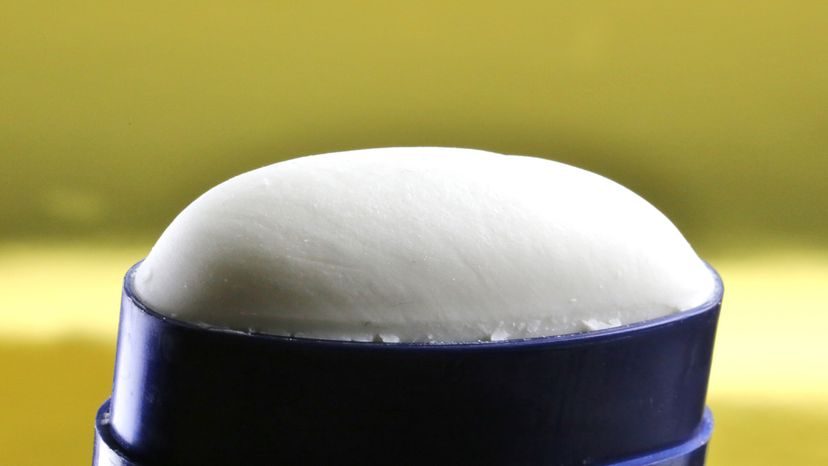
Most antiperspirants rely on aluminum salts to block sweat glands. When you apply this paste or stick to your skin, you are applying a suspension of solids. As you move, sweat activates these ingredients. The mixture transfers from skin to fabric.
Then it dries.
It solidifies.
This creates a tough, white film that water alone cannot dissolve. Deodorants without aluminum still cause problems because of their waxes, oils, and baking soda bases. They leave a gummy residue that attracts dirt and traps odor-causing bacteria.
If you ignore it, the fabric weakens. The dye fades. The texture turns rough.
Deodorant vs. Sweat: Knowing the Difference
Before you start scrubbing, make sure you’re treating the right stain.
Deodorant stains are white. They appear exactly where you applied the product—usually under the arms. They look like dried paint or salt deposits.
Sweat stains are different. They are yellow. They often appear as rings or patches. They result from sweat mixing with natural body bacteria and the deodorant itself.
White marks mean product buildup. Yellow stains mean bacterial interaction and oxidation.
Mixing up the treatment can make things worse. Using strong acids on delicate fabrics or harsh enzymes on protein-based stains can ruin the material. Identify the mark first. Then act.
How to Remove Deodorant Stains Safely
Not every garment can be saved. If your shirt says “Dry Clean Only,” stop reading and take it to a professional. Home remedies on delicate fabrics like silk or wool can cause irreversible shrinkage or color loss.
For washable cotton, polyester, and blends, you have options. Pick the method that matches your supply cabinet.
White Vinegar
White vinegar breaks down the mineral deposits in aluminum salts. It’s cheap. It’s effective.
- Dip a clean sponge or cloth in undiluted white vinegar.
- Apply generously to the white stain.
- Let it sit for 5 to 10 minutes.
- Wash in the hottest water allowed by the care label.
The heat helps dissolve the remaining residue. If the stain persists, repeat.
Ammonia Solution
For stubborn, set-in marks, ammonia cuts through the grease and wax.
- Mix 1 quart of lukewarm water with ½ teaspoon liquid hand-dish soap and 1 tablespoon of ammonia.
- Soak the garment for 15 minutes.
- Gently rub the stain from the inside out to push the residue out of the fibers, not deeper in.
- Soak for another 15 minutes.
- Rinse thoroughly and wash normally.
Never mix ammonia with bleach. This creates toxic chloramine gas. Stick to one chemical per wash cycle.
Rubbing Alcohol
Spray deodorants often leave different types of stains than stick deodorants. They tend to be oilier. Rubbing alcohol (isopropyl) dissolves these oils.
- Pour alcohol directly onto the stain.
- Blot with a clean cloth.
- Launder immediately.
Alcohol evaporates quickly, so work fast.
Lemon Juice and Sunlight
This is a natural bleaching method. It works best on white cottons.
- Mix equal parts lemon juice and water.
- Rub onto the stain.
- Place the garment in direct sunlight for one hour.
- Rinse and wash.
The sun activates the citric acid, breaking down the stain. Note: This can lighten colored fabrics. Test a hidden seam first.
Hydrogen Peroxide
For white clothes where vinegar isn’t enough, try hydrogen peroxide.
- Mix 1 part hydrogen peroxide with 1 part water.
- Apply to the stain.
- Let it bubble and sit for a few minutes.
- Rinse and wash.
This is a mild bleach alternative. It’s safer for fabrics than chlorine bleach but still powerful.
The Nylon Stocking Trick
For fresh stains on dark clothing, try a mechanical approach.
- Take a pair of nylon stockings.
- Gently rub the fresh stain.
The friction can lift the surface residue before it sets. It’s not a cure for old stains, but it’s a quick fix if you’re in a hurry.
Prevention: Stop the Stain Before It Starts
Removing the stain is work. Preventing it is smarter.
Most people overapply. More deodorant doesn’t mean better protection. It means more residue.
- Apply sparingly. A thin layer is enough.
- Let it dry. Wait 2 to 3 minutes before pulling on your shirt. If it feels tacky, it’s not ready.
- Switch products. Try aluminum-free deodorants. They don’t contain the salts that cause white buildup.
Check your ingredients list. If it lists aluminum zirconium or aluminum chloride, you’re inviting stains. Switch to a clear gel or a solid deodorant with less wax.
The Reality of Stain Removal
You can’t save everything.
Some fabrics trap stains permanently. Old, yellowed armpit areas on white shirts are often irreversible. The fabric fibers have been chemically altered. No amount of scrubbing will bring back the original brightness.
But for recent marks? For the white crust on a black tee? You can fix it.
Start with vinegar. Move to ammonia if needed. Don’t rush the drying process. And for god’s sake,