You are standing in the kitchen. The oven timer is ticking and you need to make your pumpkin cheesecake perfect. You’ve made it seven times, and suddenly doubt crept in. Did the original card say 3 eggs or 3 yolks? Was the baking time 40 minutes or 50 minutes?
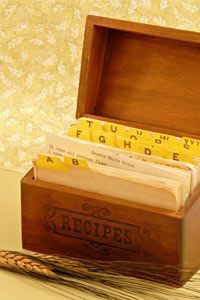
You look in the recipe box. This is your grandmother’s old box. You pull it down. Cards spill out. Printouts fall out. Magazine clippings tumble on the counter. This is chaos. you sigh.
You need a system. If this looks familiar, stop digging. Start organizing.
Organize your pile of recipes
Before you buy a single binder, you should organize the folders you already own. It’s very messy. it is necessary.
Create a list of categories. bread. dessert. Main course. vegetables. soup. salad. Create a piles for each. If you’re stuck, check out the recipes that already exist. These categories will suggest themselves. If you’re really lost, Check a cookbook for inspiration.
If the pile gets too big, split it. The main dishes are divided into vegetarian and non-vegetarian. Desserts are divided into pies, cakes and cookies.
Then be ruthless. Wipe away the ghosts. Do you have recipes you clipped years ago but don’t make anymore? Throw them away. Ask yourself: Is there any chance I’ll ever cook this? If the answer is no, throw it in the trash. Don’t let guilt hold onto bad paper.
“If you don’t start, you won’t finish, so go ahead and dive in.”
Storage solution for paper recipes
You’ve sorted them. Where do they live now? Depends on your budget and space.
Reuse old boxes
The old box might still work if you clear enough cards. It’s free. Very familiar. But let’s be honest. The recipe box is small. They don’t like irregularly shaped prints. this won’t last if the stack is large.
Accordion File
Buy from an office supply store. It is very cheap. Suitable for large and small papers without stiff cardstock. It works like a box but can also be expanded.
photo album
Yes, it’s a photo album. Use adhesive sheets, plastic bags, or a combination of the two. This is a very versatile storage method. You can browse it like a book. Make sure the album is sturdy. Flimsy ones tear.
3 ring binder
This is a heavy hitter. Punch holes in the computer printed recipe. Add full magazine pages. Buy more scrapbook pages for extra durability. You may need to go to a craft store to for holes and refills. It is versatile but requires some work.
Notebooks and Scrapbooks
Paste the recipes directly on your page. Use glue or tape. What are the real benefits? You can write a comment next to the description. Alterations. Tips. Notes on who ate what. This is personal. but it works.
Use tabs no matter what you choose. Markers work. Dividers work. Separate the sections into categories. Then load it up.
“Tried and True” Filter
One final trick. During the sorting process, confirmed hits are separated from maybe-laters.
Label the “tried and true” section. These are the recipes you’ve made. You know they work. When you want comfort food, you can find it quickly.
Mark the other parts as “Never Tried”. new ideas. risk. Future meals. If you want more variety, look here. who knows? Some untested recipes may become tried and true tomorrow.
Sorting and storing paper you can look at the digital mess. Email attachments. Browser bookmarks. Online finds. That’s a different problem. And a different kind of clutter.
Digital recipe organization: beyond simple folders
Printed recipes must be ordered. You need tabs, dividers, or at least a system to block access to pages you’ve already burned. Digital recipes are different. No physical clutter on the counter. No crinkle. But if you shove all your PDFs and screenshots into a random folder called “Stuff,” you’ll hate yourself.
The truth is, it can be confusing when you’re working with digital files, but it can still work. Why? search.
The Power of Search Over Structure
Do you want to find that African red bean and peanut stew you downloaded three years ago? It doesn’t have to be in a folder called “African Food”. Just use it anywhere on your drive. Type “red bean stew” into your computer’s search bar. Done.
This is the most important advantage of going digital. You can also sacrifice structure for volume. Upload your file to Google Docs and use its built-in search feature. It’s free. It is very fast. it works.
But some need more. They want to adjust portion sizes. They want to make a shopping list. They want to print a custom cookbook as a gift. A simple folder is not enough for them.
Email as a Hidden Organizer
Before you buy the software, try the following: Email.
When you find a gem online, copy the URL or text. Paste it into a blank email. Write the name of the recipe in the title line. Send it to your own address. Create a folder or label in your inbox called “Recipes”. Let your email program do the sorting for you.
Most email services have powerful search features. You already check your email every day. Why not save your cooking data there? It’s private. Supported by the service provider. And zero new habits.
Local vs. Cloud: Where Do You Live?
The first real decision is deciding where to store your recipes. It falls into two camps.
Local storage (Your Computer)
Save it to your hard drive. Use folders. Use your laptop for portability. If you’re visiting family for Thanksgiving and want to make traditional stuffing without relying on someone else’s Wi-Fi, local storage wins.
This is also the only real way to keep the “secret” recipe a secret. If you have family heirloom that shouldn’t leak into the online community, keep them offline.
Cloud storage (online)
Save them to the cloud. Google docs, online recipe box or email service. Access your recipes on any device with a reliable internet connection. Phone, tablets and library computers. No synchronization required. You can also instantly share it with friends or online cooking groups.
Social Bookmarking: If You Prefer the Source
Some chefs don’t save the actual file. They save the link.
If you want to keep different food blogs as your own library, use social bookmarking. Sites like Delicious.com (or its modern equivalent) allow you to save bookmarks from any computer. You aren’t storing the recipe text. You’re storing the location.
This is lighter. Faster. However, if the blog disappears, so do your recipes.
Software that does the heavy lifting
If folders and emails feel too manual, software intervenes. These tools often exist online as well, so you can search for new recipes while managing your own.
Here are some options.
- BigOven : Available for Windows, iPhone and older Palm OS devices. It is both a desktop application and an online platform. Manage your local files or log into the cloud to share recipes, create meal plans, create shopping lists and more.
- TheRecipeManager : Available for Windows and Mac. In addition to standard organization, it tracks health indicators. You can enter your blood sugar level, blood pressure, weight and exercise data. This is for data-obsessed chefs.
- Cook’n : Windows only. Focus on meal planning. Adjust portion size automatically. Pull the nutritional value. Create a shopping list based on the week’s menu.
Online-Only Platforms
Don’t want to install anything? Use the web-based recipe box.
Sites like One Tsp, Recipe Thing, All Recipes, and Epicurious offer free virtual boxes. You upload your recipes. They stay in your personal profile. Some allow you to add your creations to a public pool. Others keep them locked to you.
It’s low friction. High accessibility. But you are dependent on their servers. And their ads.
The Hybrid Approach
There are no wrong answers. Store important files locally for safety and offline access. You can save active shared recipes to the cloud for easy access.
Most people do both. This is not unnecessary. Unnecessary in the best sense of the word.
You want the security of a hard drive. You need the convenience of a phone. The technology allows you to have both. All you have to do is decide which recipes are important enough to save.
The rest are shown in the search bar.
Digital Recipe Management Tools
Digital options vary. You are not limited to one platform. Some tools can be synchronized between different devices. Some of them are designed for quick and immediate use during cooking.
Cook’n and RecipeThing are dedicated managers. They handle bulk conversion and nutritional analysis. If you need inspiration, Epicurious has a huge database. For simpler setups, Delicious allows you to bookmark recipes you find online.
Gmail acts as a temporary organizer. You can label emails as “dinner” or “dessert”. It’s free. It’s accessible. However, it lacks structure based on ingredients and cooking time.
Physical and Hybrid Systems
Not everyone wants to live online. Some people prefer a tactile systems.
Gourmet File offers specialized paper forms and binders. You can print, fill and file. It’s low tech. It’s reliable. No batteries required.
Try mixing 1 tsp. Bridging the gap between digital lists and physical references. You can save online recipes, print them and keep them on your kitchen counter.
Where to start?
If you’re feeling overwhelmed, start small. Select a category. Pasta? Breakfasts? Choose one.
Use the Real Simple approach in computer-based organization. Create a folder. Name it clearly. Move your top 10 favorites there.
Menus For Moms suggests grouping by meal type. This reduces decision fatigue throughout the week.
Parent Hacks recommends using your current email. This is a low-barrier entry point. No new software is required. Just a new label.
The Bottom Line
There is no single “best” system. The right tool depends on your habits. Do you browse while cooking or do you plan ahead?
Try digital tools for a week. Next, try a paper binder. See what sticks.
Most importantly, keep it simple. If the system requires more effort than the actual cooking, you won’t use it. Find the path of least resistance. Then stick with it.