
Selling a house is messy. It is complicated even when the market is hot. You might be selling for the first time. Or maybe you have done it before. You will have questions. Lots of them. Do you need a real estate agent? What exactly is closing? How much paperwork do you have to fill out? How do you get the best price? How do you sell your old house and buy a new one at the same time without going broke?
We are going to answer all of those questions. We will explain what curb appeal actually means. We will also tell you why an open house is not the golden ticket it is cracked up to be.
There are two main paths. You can sell with an agent. Or you can sell without one. Before we weigh those options, let’s look at the basics every seller needs to know.
Know Your Home’s True Value
Knowing the value of your house is step one. Exercising patience is step two. Restraint is step three. Get your home appraised. It costs between $250 and $500. It is worth every penny.
In a strong market, the sale price can be 10 to 15 percent above the appraisal. In a weaker market, the price sits right around that appraisal figure. We will break down exactly how to figure out your sale price later.
Fix Problems Before They Fix You
A home inspection is vital. It avoids complications during the sale. Usually, the buyer gets the inspection. But if you get one first, you have control. You can handle problems before the buyer sees them.
If the inspection finds issues, you need to know your state’s disclosure laws. These laws vary. They can save you from litigation. They generally require you to disclose hazardous materials. They also require disclosure of significant construction flaws. You must disclose this verbally or in writing.
If you are unsure what to disclose, ask a real estate agent. Ask an attorney. Ask your local housing authority.
Don’t Rush the Process
Patience is key. Realtors will tell you homes go “stale” after too many days on the market. They say stale listings lose buyer interest. But a stale sale usually happens because the seller overvalued the home.
The opposite is also true. If you rush to sell, you might undervalue your house. You might rush to sell so you can move into a new house. Don’t do that.
If you can, put your house on the market as long as possible before buying a new one. Otherwise, you pay two mortgages. That is hard to afford.
If you find a house you can’t wait for, ask your lender for a bridge loan. This loan uses the equity in your current home to pay the down payment on a new one. You might also get a home equity loan to help with dual mortgage payments.
Now that we have the basics, let’s tackle the big debate.
Do I Need a Real Estate Agent?

About 93 percent of home sales still involve a real estate agent [ref]. The internet promised otherwise. It didn’t really happen.
An agent works independently or for a broker. The broker signs the contract. Top performers keep 100 percent of their commission and pay a fee to the broker. Newer agents take home 30 to 40 percent.
There are reasons to hire help.
- Education – Complex paperwork. Licensing programs.
- Time – No weekend tours. No scheduling headaches.
- Gauging offers – Filtering window shoppers from serious buyers.
- Market knowledge – Trends affect your bottom line.
- Negotiation – Getting the price right.
- Contacts – Contractors, inspectors, other agents.
- Sale price – Buyers may lowball if they think you’re saving on commission.
- Caravans – Open houses for buyer agents. Quick. Convenient.
A key tool is the Multiple Listing Service (MLS). It’s a massive database. 900,000 agents subscribe. It covers 90 percent of US properties [ref]. Buyers can see it free at realtor.com. Usually, only subscribers can list. Sometimes sellers can pay a fee to list directly.
Benefits come with costs.
Commission hits 6 percent of the sale price. Many agents negotiate this. Especially in a good market. You trust a stranger with your most valuable asset. Let go of sentiment. It’s part of the process.
You choose between a full service agent and a discount service.
Full service does it all. Prepares the home. Conducts open houses. Uses the MLS. Marketing materials. Yard signs. Professional photographers.
Discount services provide less. Cost varies by company. Lower price is the main draw. Commission runs 2 to 4.5 percent. Some pre-screen buyers. They list on the MLS. You conduct the tours. Buyer agents may skip your house due to lower commission splits. Worth it if you save money and still get a good price. Try ZipRealty or House Rebate for examples.
Now, let’s find an agent.
Understanding the Terms
You hear “real estate agent,” “broker,” and “realtor” used interchangeably. They’re not always the same.
A Realtor® is licensed by the National Association of Realtors. Bound by a Code of Ethics.
A real estate agent and a real estate broker are essentially the same. Sometimes “broker” refers to the corporation an agent works for.
In this guide, we use agent and broker interchangeably. We call a Realtor® a realtor. Simplicity helps.
How to Find a Real Estate Agent
Start locally. Word of mouth still matters. Ask friends who recently sold. Ask neighbors. Check recent “Sold” signs in your area. Who represented them? Call them. Get feedback.
Check online. Zillow, Realtor.com, Redfin. Look at recent sales in your neighborhood. See which agents appear most often. Consistency suggests success.
Interview at least three. Ask about their experience. Ask about marketing strategy. Ask about communication frequency. Do they use professional photography? Do they stage the home?
Check references. Call past clients. Ask about problems. Did the agent solve them?
Look for specialization. Some agents focus on luxury homes. Others on first-time buyers. Or condos. Or fixer-uppers. Match their niche to your property.
Check credentials. Are they licensed? Any disciplinary actions? Search your state’s real estate commission website.
Consider the commission rate. It’s negotiable. Don’t just accept the first number. Compare full-service agents with discount brokers. Weigh the pros and cons.
Trust your gut. You’ll work closely with this person. If something feels off, keep looking.
The right agent makes the sale smooth. The wrong one drags it out.
Choose carefully.

Pick an agent with a National Association of Realtors (NAR) designation. It sounds like a minor detail until you need someone who actually follows a code of ethics. Your best bet? Ask friends who have actually sold homes. Watch how fast listings in your specific zip code move. An agent who lives and breathes your neighborhood knows the market. They can tell you if prices are inflating or if buyers are bailing out.
Skip the open house for a second. Go there to meet the agent in person. Pre-screen them. See how they talk to strangers. See how they handle the crowd.
You found someone. Now. Do not sign anything. Treat the interview like a job interview. You are hiring a partner. They should be asking you questions. They need to show interest in your specific situation, not just push a template.
Here is what you need to dig into during that meeting:
Key metrics to demand
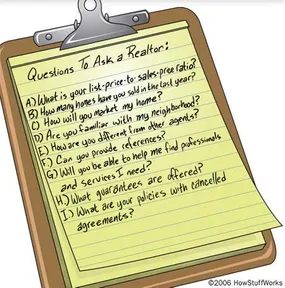
What is their list-price-to-sales-price ratio? This number tells you if they can actually get your home sold close to what you want. It compares the original listing price to the final closing price. A good agent hovers near 100 percent. If they are consistently dropping below 95 percent, they might be over-promising and under-delivering.
How many homes did they sell last year? Volume matters. It shows activity.
How will they market the house? Direct mail? Flyers? Online listings? If they just say “I’ll put it on the MLS,” dig deeper.
Are they familiar with your street? If they hesitate, run.
What makes them different? This is where you separate the sharks from the sheep.
References and policies
Can they provide references? Call them. Ask the past sellers. Did the process drag on? Did the agent ghost them?
Will they help you find other pros? You might need a stager. A contractor for last-minute repairs. A mover. A good agent has a Rolodex.
What are their policies on cancelled agreements? Life happens. Contracts get messy. You need to know what happens if you pull the plug.
How much time will they spend on your sale? If they are juggling twenty listings, you will be an afterthought. Ask for their actual availability.
The paperwork and the money
Ask for the agency disclosure. Ask for the listing agreement. Ask for seller disclosures. Read them.
Commissions. Agents might claim at first that their rate is fixed. They lie. Most agents negotiate, especially if you are buying another property through their same broker. You have leverage. Use it.
For Sale by Owner
Skip the real estate agent and you save on commission. That’s the main draw. But it’s not just about keeping extra cash. It’s about control. And paperwork. Lots of paperwork.
If you go the For Sale by Owner route, you are the agent. You’re also the lawyer. Well, not really. You shouldn’t be a lawyer. But you do need one.
Have a lawyer look over the contract before you sign anything.
You might think you can just pull a template from the internet. Don’t. Laws change. Local quirks matter. A generic form might miss a crucial disclosure that could haunt you months later.
Get Legal Coverage Early
You’ll need a lawyer for the closing anyway. So why wait? Get them involved now. Early advice is cheaper than a lawsuit. Or a failed sale.
A lawyer can spot red flags in the buyer’s offer. They can advise on pricing strategy based on local comps. They can ensure the contract is binding and clear.
Why DIY Selling is Harder Than It Looks
It’s not just listing the house. It’s:
- Marketing: You need photos. Good ones. Not phone shots from 2015. You need to stage the space. You need to write compelling descriptions.
- Showing: You answer the phone. You schedule the tours. You hide your personal items. You clean again. And again.
- Negotiation: Emotions run high. You want top dollar. The buyer wants the lowest price. A lawyer keeps it professional. They handle the counteroffers. They keep their cool so you don’t have to.
- Disclosures: Missing a single detail can void the sale. Or lead to litigation. A lawyer knows what must be disclosed. In your state. In your zip code.
Which Documents Do You Need?
A For Sale by Owner sale requires specific legal documents. These aren’t optional.
- Purchase and sale agreement
- Lead-based paint disclosure (if built before 1978)
- State-specific property disclosure forms
- Home inspection report (usually provided by the buyer, but you should anticipate requests)
- Title documents
Don’t guess. Ask your lawyer. They have the templates. They update them.
How to Price Your Home Correctly
Without an agent’s comparative market analysis (CMA), you’re flying blind. Sort of.
You can do your own research. Look at sold listings in your neighborhood. Look at active listings. Look at expired listings. But interpretation is key. Why did that house sell for less? Was it the roof? The location? A quick sale?
A lawyer can help interpret the data. Or recommend a professional appraiser. Getting the price right matters. Too high? It sits. Too low? You leave money on the table.
Where to Find Buyers Without an Agent
You don’t have an agent’s network. You have to build your own.
- Online Listings: Pay for MLS access through a flat-fee service. This gets your home on Zillow, Realtor.com, etc.
- Social Media: Share photos. Tag local groups. Use hashtags.
- Signage: A yard sign with your contact info. Basic. Effective.
- Open Houses: You host them
It’s rare. Most people hand over the keys and the commission. But selling a house without an agent is possible. If you put in the legwork and do your homework, you might keep an extra seven percent in your pocket. That number isn’t a guarantee. It depends on the market. Brokers are sometimes cutting their rates to compete, which eats into those potential savings.
But money isn’t the only reason to go it alone. You live there. You know the quirks. A broker who just walked in doesn’t know that the basement floods only during specific rainstorms or that the neighbor’s dog barks at 3 a.m. You can tell that story. You have total control. No one is watching your back for a commission check. No one is telling you to paint the trim white when you hate white.
There is a catch. Exposure. You don’t get the Multiple Listing Service (MLS). You don’t have a Rolodex of other agents’ buyers. Most folks feel safer handing over a six-figure transaction to a professional. You might have to accept a lower price. It’s a risk.
It’s also exhausting. You’re the marketer. The scheduler. The negotiator. You have to find your own inspector. Your own lawyer. Your own title company. If you can handle that stress, read on.
Fair Housing and Advertising Basics
Start with the law. Fair housing laws are not suggestions. They are rules. Violate them and you open yourself to lawsuits that will wipe out any savings. Be careful with your language. Focus on the house. Ignore the people.
Once you’re legal, you need eyes on the property. Local classifieds still work. Real estate specific papers do too. Weekly newspaper inserts catch people who aren’t scrolling through apps all day.
For online reach, use dedicated For Sale by Owner platforms. Sites like FSBO.com or the National For Sale by Owner Network exist for this exact purpose. Your listing needs the basics. Bedrooms. Bathrooms. Square footage. Special amenities.
Phrasing matters. Mention if the price is below market value. Say if the furniture stays. These hooks pull people in.
The Yard Sign Strategy
You want to save money. Right? Skip the expensive marketing firm. But spend two hundred bucks on a sign.
A sturdy wooden yard sign looks professional. It signals that this is a serious listing. Plastic stands are cheap. Fifty bucks. They look temporary. They look like a garage sale. Buyers hesitate at temporary.
Buy the wood. Set it where the street sees it. Clear visibility. No bushes blocking the text. Include your phone number. Big and bold.
Add an information box. Put a sheet inside. Floor plans. List of features. The asking price. This last part is tactical. It filters out window shoppers. If they can’t afford the number on the sign, they won’t waste your time touring a home they can’t buy.
“Including an information box with handouts about your home can be helpful; besides providing general information like a floor plan and features, listing the asking price can help to weed out buyers who aren’t ready to commit.”
It’s a simple filter. But it saves hours. Hours you’d rather spend doing something else. Or nothing at all.

The easiest way to find a buyer is to tell everyone you know. Friends, coworkers, the bartender, your doctor. Cast a wide net. There is a practical reason for this beyond just volume. A buyer who comes through a personal connection is less likely to be a tire kicker. They are already vetted by trust. The transaction moves faster because the skepticism gap is smaller.
But you have to be careful.
Real estate agents will call you if they hear you are selling FSBO. They will promise buyers. They will promise the moon. Letting them show your home is a trap. One showing can lock you into a commission obligation if you are not careful. You need a shield.
Get a lawyer to draft a specific agreement. It should state you have no exclusive listing. You are willing to pay a fee only if their referred buyer actually closes. That fee? Usually between one and three percent of the sale price. Half the standard commission. It keeps the wolves at bay while letting you catch a break if one of them actually lands a real buyer.
Pricing the Property Correctly
Price is everything. Get it wrong and you are done.
A house priced too high sits there. It gathers dust. It becomes “stale.” Buyers know a stale house. They smell desperation. Or worse, they see a seller who is clueless about the market.
If you drop the price repeatedly while the house sits, you hand over all your negotiating power. You are telling buyers you do not know what your home is worth. They will lowball you. They will take advantage of your uncertainty.
Find the right number. Check comparable sales in your neighborhood. Look at what actually sold, not what was listed. Adjust from there.
The Closing Process
You found a buyer. You signed an offer. Congratulations.
The closing process is largely the same whether you had an agent or not. The paperwork is heavy. The regulations are local. They vary wildly from city to city and state to state. Do not rely on a generic handbook you found online. That contract might be invalid in your jurisdiction.
You need a lawyer.
Hire one to draw up the contract of sale. It costs money. It is worth every penny. A bad contract can unravel the deal later. A good one protects you from liability.
Local laws dictate disclosures. They dictate timelines. They dictate who pays for what at the table. Your attorney handles the legal heavy lifting. You handle the handshakes.
The goal is a clean exit. No surprises. No last-minute hiccups that kill the deal.
It is a marathon. Not a sprint. You will get tired. You will want to quit. But if you stay disciplined with the pricing and the legalities, you will get to the other side.
The keys go in the lock. The ink dries. You walk away.
What happens next? You move. Or you save the money you didn’t pay in commissions. You decide.

Pricing is where most homeowners lose money.
It’s not just about what you think your house is worth. It’s about what the market will tolerate.
You need an appraisal. But don’t let that number dictate your strategy in isolation. Look at the neighborhood. Look at the schools. Check the recent sales of comparable homes. If you are working with a broker, share all of this. Let them see the full picture.
There is a distinct danger in overpricing.
If you price too high, your listing gathers dust. Buyers scroll past it. They assume something is wrong.
If you price too low? You might get multiple offers. Bidding wars can drive the final price up anyway.
Prep Work Before Listing
Get the house ready.
This means deep cleaning. Hire professionals if you have to. Carpets. Windows. Appliances.
Declutter.
A stack of old newspapers in the hallway signals neglect. A pile of kids’ toys says “chaos.”
You want the buyer to see maintenance. You want them to see care.
Does it need paint?
Interior off-white is the standard for a reason. It hides flaws. It feels neutral.
Touch up the exterior. Cracked siding? Peeling trim? Fix it. This is all about curb appeal. That first impression matters.
Hide the trash cans. Plant some flowers.
Stand on the sidewalk. Look at the front door. Would you stop there if you were walking by?
Evaluating Offers
Your agent should filter the noise.
They need to look at the buyer’s credit. Their debt-to-income ratio. Employment stability.
How much is the down payment?
When do they need to close? Six to eight weeks is standard. Anything longer introduces risk.
You have the right to see every offer. Insist on it.
Make sure your contract includes a clause requiring full disclosure. Don’t let the agent hide a bad offer to protect their timeline.
Look at your own bottom line.
You have an ideal price in your head. But what is your floor?
Do you need a specific number to buy your next house? To cover car payments?
Factor in the costs.
Agent commissions. Closing costs. Attorney fees.
Know exactly what you walk away with before you sign anything.
The Open House Myth
Open houses are overrated.
We picture them as bustling events. Hors d’oeuvres. Soft music. Strangers wandering through.
But the data says otherwise.
According to the National Association of Realtors, only 3% of homes sell via open house.
They are useful for agents.
An agent can spend a few hours there, meeting potential clients who aren’t ready to buy your house yet. They are building their own pipeline.
You? You’re just giving away free tours.
If your agent is advertising well online and through their network, an open house is often redundant. It’s extra time. Extra expense.
The exception might be a caravan. That’s when other buyer agents are invited to see the property. It spreads the word among professionals who might have a qualified client.
Otherwise, skip the party.
Closing a Home Sale
The contract is signed. The money is moving. But you aren’t done yet.
Closing is where the rubber meets the road.
You need to review the closing statement carefully. Look for errors. Look for fees you don’t recognize.
Make sure all contingencies are satisfied.
Inspections should be done. Repairs completed. The final walkthrough is non-negotiable.
Go through the house one last time.
Turn on the faucets. Check the lights. Open the cabinets.
Is everything in the condition agreed upon?
If something is broken, fix it before you hand over the keys.
Bring your government-issued ID. Bring proof of insurance. Bring the cashier’s check for the down payment and closing costs.
Sign the papers.
It’s a lot of paper.
You’ll sign the deed. The mortgage documents. The disclosure statements.
Once you sign the last page, hand over the keys.
The house is no longer yours.
But the money? That’s yours to keep.

The offer is accepted. The price is agreed upon. You are finally ready to sell. The exhausting hunting phase is over. Now you need to close the deal.
It feels like the finish line. But the road to “sold” has a few more bumps. You need to handle the paperwork. You need to worry about taxes. You need to decide what to do with your stuff.
The Title Company and Insurance
Start with the title company. They are the gatekeepers of ownership. They will examine the title deed. This document proves who owns the property. The title company looks for issues. They check for disputed ownership claims. They look for incomplete documentation.
If they find problems, they fix them. Or they flag them.
They also issue title insurance. This is usually for the homebuyer. It guarantees against losses from title problems. Think of it as an insurance policy for the deed. It protects the new owner. It protects their investment.
Hiring a Real Estate Lawyer
You want a lawyer. Ideally, one who specializes in real estate. You should have contacted one already. Especially if you signed a contract with an agent.
Your lawyer draws up the contract of sale. They help you and the buyer work out the details. This includes a lot of specifics.
Which items stay in the house?
Major appliances.
Furniture.
Fixtures.
They determine the down payment amount. They set the closing date. They set the possession date. They handle conditions for the sale. Like the inspection. They manage the mortgage particulars.
Who pays which closing costs? Your lawyer sorts that out. They ensure the contract is fair. They look for hidden clauses. They look for deceptive terms.
“Be aware that the U.S. Government is going to try to get a piece of the pie.”
The Capital Gains Tax Question
If you make a profit, congratulations. But the IRS is watching. They want their cut.
Your lawyer will advise you on tax implications. There is a way to keep most of that profit. You can generally exclude up to $250,000 in capital gains. If you are married, that number jumps to $500,000.
But there is a catch. You must have lived in your home for two out of the last five years.
What if you haven’t lived there long enough?
There are exceptions. If you move due to a change in job. Or health reasons. Or other special circumstances. You might still get an exclusion.
Check with your lawyer. Don’t assume you owe taxes. Don’t assume you don’t. Get the facts before you sign.
Preparing for Closing
Once the contract is signed, you are almost done. The heavy lifting is behind you.
Now you need movers. Find them early.
Hand over the keys.
Get out by the possession date.
It seems simple. But the preparation matters.
What Repairs Should You Make Before Selling?
This depends on the market.
Is it a seller’s market? Your agent might say do nothing. Just list it. Let the bidding war happen.
Is it a buyer’s market? You need to spend time and money. You need to increase “curb appeal.” This can raise the price.
If you are selling in warmer months, landscaping pays off. Adding simple landscaping can add up to 28 percent to the overall home value.
Inside the house, paint walls in neutral colors. Whites. Greys. Avoid bright reds.
Consider replacing old carpet. If it’s stained or worn, it shows. Buyers will notice.
Fix big repairs. Foundation issues.
Broken windows.
Shutters that don’t close.
Roof damage.
Potential buyers will look closely at these things. They will use them to negotiate down. Fix them now. Or lose money later.
How Much Money Do You Keep?
The sale price goes into a pot. Then it gets divided.
Your remaining mortgage gets paid off first.
Then the commissions. Both the seller’s and buyer’s agents get paid. That is usually 5 to 6 percent of the sale price. It is split between the two agents.
Taxes and fees come next.
Whatever is left over is yours. It is pure profit.
What do you do with it?
Many people use it for a down payment on a new home.
Some pay off credit cards.
Some save it.
It is your money. Spend it wisely.
Is It Better to Sell With a Realtor?
You can sell without an agent. It is possible. It saves on commission.
But there are risks.
A Realtor helps you avoid costly mistakes. They market your home effectively. They handle scheduling showings. They understand the market. They negotiate offers.
Homes sold by Realtors tend to sell quicker. They also tend to sell for more money. Private sales often get less attention. They get fewer eyeballs.
If you are busy. If you are stressed. If you don’t know the local market well. Hire help.
The Final Steps
- Get your home appraised.
- Find a reputable real estate agent who knows the area.
- Let them set the listing price. They will encourage multiple offers.
- Tidy up. Store personal things in closets.
- Clean thoroughly.
- Hire a professional photographer. Pictures sell houses.
- Your agent prepares the listing.
- You receive an offer.
- You sign the agreement.
- On closing day, you receive full payment.
- You hand over the keys.
Your former home is gone. The process is complete.
But the next chapter is starting. What’s next for you?