
You might barely exchange two words with the person who determines your home’s financial fate. Yet that appraiser holds more power over your transaction than almost anyone else in the real estate chain. A single number on their report can make or break the deal. It dictates whether you walk into your new kitchen or walk away.
People often confuse this step with a home inspection. They are not the same. An inspector hunts for physical failures. They look for mold spores in the drywall or shingles blowing off the roof. They want you to know what is broken. The appraiser cares about value. They look at your house as an asset. They compare it to similar properties that recently sold in your neighborhood. They weigh the condition against market data to put a price tag on the square footage.
If you are using a mortgage to buy, this step is non-negotiable. The bank requires it. An inspection? That is optional. Smart buyers always get one. The appraiser? You generally don’t have a choice in who does it.
Here is what you need to understand before that professional steps onto your porch.
Why Lenders Demand an Appraisal
Think of the appraisal as the bank’s insurance policy. When a lender hands over hundreds of thousands of dollars, they are taking a massive risk. What happens if the borrower stops paying? The bank repossesses the house. They sell it to get their money back.
If the home is worth less than the loan balance, the bank loses money. They might not recover the full amount. The appraisal ensures the collateral matches the debt. It protects the lender from overextending credit.
Who Pays and How Long It Takes
You will pay for this service. The cost usually lands between $300 and $400 for a standard single-family home. The bank selects the appraiser from a pre-approved list. They do not want someone who owes you a favor. They want an objective third party.
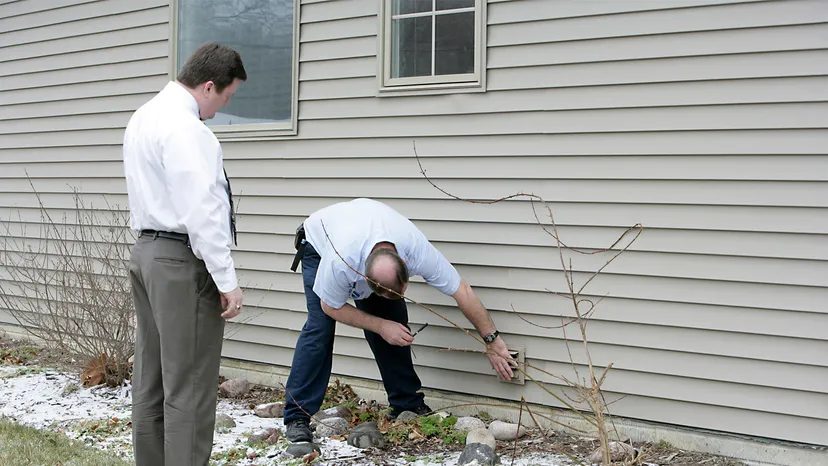
The actual visit is short. The appraiser spends about 20 minutes inside and outside the property. They walk through. They measure rooms. They note the quality of finishes. They check the roof, the HVAC system, and the foundation. They snap photos. They leave. The heavy lifting happens later, back at the office.
When the Number Doesn’t Match the Price
If the appraised value hits the asking price or exceeds it, the deal proceeds smoothly. The bank is happy. The loan closes.
But if the appraisal comes in low, tension rises. The bank will not approve a mortgage that covers more than the home’s verified worth. This creates a gap. You cannot borrow money for the difference.
This puts the seller in a tough spot. They may need to lower the price to match the appraisal. Or the buyer might need to bring extra cash to the table to cover the shortfall. Either way, the transaction stalls until someone adjusts their expectations. The market dictates the value, not the seller’s hopes.
The 20-Minute Walkthrough
Appraisers move fast. In a hot market, they are often juggling multiple visits, giving you just twenty minutes inside your home. Noble Fields, a certified appraiser trainer based in San Francisco, notes that the heavy lifting happens back at the office. The visit itself is a quick visual scan.
The report follows the Fannie Mae Form 1004. This document requires hard facts. Square footage. Bedroom count. Bath count. The appraiser must physically verify every detail. They look for upgrades. They look for defects. An experienced pro knows exactly what to check and moves through the rooms with precision, ticking boxes.
Since time is so short, your real estate agent should be there. Their job is to point out renovations that boost value. They can also flag damage that might drag it down. This presence helps ensure nothing important is missed in the rush.
Keep in mind the legal boundaries. Brokers and lenders can offer their own opinions on value. They cannot, however, dictate the final number to the appraiser. The appraiser remains independent.
How Foreclosures and Short Sales Impact Your Home’s Appraised Value
You’ve heard the complaints. The neighbor with the overgrown lawn or the cracked driveway is “bringing down property values.” There is truth to that. Your home’s worth is tied to the sales price of similar homes nearby. If the neighborhood looks neglected, your value drops with it.
But neglected lawns are minor compared to the drag of distressed sales. Foreclosures and short sales happen when owners sell for less than what they owe. These transactions hit the market hard. They significantly lower property values for comparable homes in the area, including yours.
Most appraisers will try to exclude these figures if they can find accurate “comps” elsewhere. But if your street is drowning in foreclosures, the data is skewed. The value of all homes in that cluster will inevitably fall.
Why a Clean House Makes a Big Difference in the Appraisal Process
Curb appeal matters. But inside, clutter is the enemy.
An appraiser needs to see the bones of the house. If boxes are stacked in the hallway, they can’t measure the square footage accurately. If closets are overflowing, they can’t assess storage space. A clean house allows for a proper measurement and a clearer view of the property’s condition.
Start by decluttering. Remove personal items that might distract the appraiser. Fix minor repairs. A leaky faucet or a scuff on the wall is a small detail, but it adds up. The appraiser is looking for reasons to lower the value. Don’t give them any.
“First impressions are lasting impressions. If the house feels maintained, the appraiser is more likely to view the upgrades as valuable.”
This isn’t about staging for a buyer. It’s about facilitating a clear, accurate assessment. When the appraiser can move freely and see the full scope of the living area, the result is fairer. Messy homes create uncertainty. Uncertainty can lead to conservative valuations.

Clear the Clutter Before the Clock Starts
You have twenty minutes. The appraiser is pulling into the driveway. You are currently shoving laundry into closets and kicking dog hair under the rug. Stop.
It feels frantic. It feels irrational. Your house’s value is determined by square footage, room count, and land size, not by how well you vacuumed the rug last Tuesday. Technically, cleanliness doesn’t change the numbers on the final report.
But appraisers are human beings. They notice.
Noble Fields, an appraiser trainer, puts it bluntly: messiness creates friction. An appraiser needs to move through your home without stepping over piles of clothes or dodging obstacles. If they can’t get to the back bedroom or walk past the kitchen island without tripping, they aren’t taking the best photos. They aren’t measuring the space with care. They are rushing.
A cluttered home feels smaller. It feels neglected. And neglect triggers lower valuations.
Getting the space clean isn’t about vanity. It’s about removing variables. You want the appraiser to see the potential of the property, not your weekend chaos. Every clear pathway is a chance for them to give you the top-of-the-range value instead of the bottom. Do the work. Hide the mess. Let the house breathe.
How Comps Drive Your Appraisal Value
Here is the part most sellers miss. An appraisal isn’t just a big calculator for your specific home. It’s a comparison game.
The appraiser’s job isn’t to guess what your house is worth in a vacuum. It’s to find similar homes in your area that sold recently. These are called “comps.”
If you don’t understand comps, you don’t understand your price.
The appraisal report requires three comparable sales. The appraiser pulls data from the MLS (Multiple Listing Service) and public records. They look for homes that match your property in:
- Geographic location
- Square footage
- Age
- Condition
- Views
Ideally, these are in your immediate neighborhood. The closer the match, the more weight the comp carries.
But here is the catch. The comps must be recent. Old data is useless data. If the market shifted last month, a sale from six months ago might be misleading.
This is where your real estate agent steps in. A sharp agent will provide the appraiser with a list of up-to-date comps that support your asking price. They handpick properties that sold at or above the list price. They show the appraiser exactly how to justify your value.
If you don’t provide good comps, the appraiser has to find them. And they might pick ones that sell for less. Or they might struggle to find close matches. Either way, the pressure goes up. The value might go down.
Provide the data. Make it easy for them to say yes.
Fix the Damage Before They Arrive
You know what looks bad? Damage.
Not the structural stuff. Not the foundation cracks. I’m talking about the small, visible things. The hole in the drywall. The loose doorknob. The scratched floor. The faucet that leaks.
Appraisers note everything.
If there is visible damage, they flag it. They might even estimate the cost to repair it and subtract that

Fix the Leaks, Scratches, and Scars
Stop ignoring that crack in the drywall. That duct-taped window pane isn’t a permanent solution, and the dog-scratched back door is exactly the kind of visual noise that screams “neglect” to an appraiser. You’ve put off fixing the basement door that slams every time your teenager storms out. Now is the time to get off the couch and grab the tools.
Why bother? Because damage drags your appraisal score down. If your loan is insured by the Federal Housing Administration (FHA), the rules are strict. Appraisers must report any damage they see. They don’t guess. They document it. And documented damage means lower value. It’s not just about curb appeal; it’s about compliance and cold, hard numbers.
Can Sellers Order Their Own Home Valuation?
You might think the buyer’s lender controls the valuation process entirely. That’s mostly true, but sellers aren’t powerless. In some scenarios, it makes sense for you to pay for your own independent appraisal before listing.
How do you decide on the asking price? Real estate agents often have wildly different opinions on what your home should go for. One might say $400,000. Another might insist on $430,000. Set it too low, and you leave money on the table. Set it too high, and the house sits stale, scaring off serious buyers.
An independent appraisal costs around $300 to $400. It’s a small price to pay for data. It gives you the most accurate market value for your specific property. You can set your price with confidence, backed by a professional’s assessment.
But here’s the catch. The lender will still order their own appraisal. Your independent report isn’t the final word. It’s a negotiating tool. It’s a sanity check. It’s not the contract.
Get Your Copy of the Appraisal Report
Once the buyer’s lender sends the appraiser to your home, do you get a copy of the results? Yes. Under the Equal Credit Opportunity Act, you have the right to receive a copy of all appraisals and other written valuations developed in connection with the application, even if the application is denied.
This isn’t just bureaucracy. It’s leverage.
You can review the report for errors. Did they compare your home to a property that was a wreck? Did they miss the new roof you installed last year? Did they classify your neighborhood incorrectly? If you find mistakes, you can dispute them. The lender must provide you with a copy within a reasonable time after they receive it.
Don’t wait for the closing table to see what they saw. See it first. Check the comps. Verify the square footage. If the value comes in low, you have time to negotiate repairs or adjust the price before you’re backed into a corner.
“The appraisal is a snapshot in time. If the details are wrong, the value is wrong.”
Fix the visible damage. Order your own valuation if you’re unsure of the market. And always, always demand a copy of the report. The numbers on the page decide if you move forward or walk away.

The buyer foots the bill for the appraisal, which means they hold the keys to the report. Lenders are on the hook to get that document into the buyer’s hands quickly. The absolute deadline? At least three days before closing. If the number on paper is lower than the agreed-upon sales price, the buyer suddenly has serious leverage. They can use that discrepancy to push the seller back to the negotiating table.
The seller rarely sees the full report unless the buyer decides to weaponize it. If the appraisal hits the asking price or goes higher, the seller can breathe easy. It’s in a low appraisal scenario that things get messy. In a heated market, a buyer might find themselves covering the gap in cash if they are determined to walk away from the deal.
Clarifying Appraiser Communication Rules
There is a persistent myth in real estate that agents are barred from talking to appraisers. The Appraisal Foundation says that is nonsense. Appraisers actually want the data. They need every piece of information that helps them pin down the true market value.
This includes valid comparables submitted by the seller’s agent. It also means receipts for major renovations. Proof of consistent maintenance matters too. An appraiser isn’t a ghost. They are professionals looking for accuracy.
What is off-limits is coercion. Period. An agent cannot threaten an appraiser to inflate the home’s value. Demanding that the appraiser match the asking price is unethical. It risks the agent’s license. It’s a hard line. Cross it, and you lose your career. Stick to providing facts, not threats.
Appealing the Appraisal Value
If the number is wrong, you don’t just have to accept it. You can protest. This isn’t about complaining. It’s about presenting evidence that the initial assessment missed something critical. Did the appraiser overlook a recent kitchen upgrade? Did they ignore a comparable sale that’s truly comparable?
Gather your documentation. Invoices. Photos. Time stamps. Then, work through your lender to submit an appeal. The appraiser will review the new information. They might adjust the value. They might not. But you give yourself a chance when you fight for the numbers.

Challenging a Low Appraisal: Your Next Moves
So the appraiser came in low. Your heart sinks. The number on the page doesn’t match the contract price, and now you’re staring at a financing gap that could kill the deal. But before you panic, remember: you have options. If you’re the seller, you can fight back.
First, stop guessing. Call your lender immediately. Ask specifically about their procedure for appraisal disputes. Banks have strict protocols for this, and skipping a step can get your complaint tossed out on technicalities. You need to be armed with documentation. Not feelings. Not hopes. Hard evidence.
Gather photos of the property. Dig up records of every improvement you’ve made. Did you replace the HVAC last year? Finish the basement? Upgrade the kitchen? These matter. Include receipts if you can. You are building a case that the home is worth more than the initial glance suggested.
Your real estate agent is your strongest ally here. Show them the comps the appraiser used. Are they truly comparable? Maybe the appraiser picked homes with smaller square footage or different lot sizes. Your agent can identify better comps —properties that sold recently, are in the same neighborhood, and match your home’s features more closely. Provide these to the lender. It’s a direct challenge to the logic used in the initial valuation.
But here is the hard truth: only the mortgage lender can order a second appraisal. You cannot simply demand one. If the lender rejects your request for reconsideration, or if the value stays the same, you are left with two paths. One, you can try to negotiate the price down with the buyer. Two, you can pay for an appraisal on your own.
Yes, you can hire a different appraiser. You’ll pay out of pocket, which is risky. But if that new report comes in higher, you might have leverage. It’s a gamble. Does it change the lender’s mind? Maybe. It doesn’t guarantee it. Banks trust their own appraisers, usually. But a conflicting report from a qualified professional can sometimes force a second look.
“Only the mortgage lender can require a second appraisal.”
This is the bottleneck. You are waiting on their approval to move forward. It’s frustrating. It’s slow. But it’s standard. Keep your documentation organized. Keep your agent in the loop. Don’t let the silence drive you to make bad decisions. The market is always shifting, and sometimes, a low appraisal is just a bump, not a wall. But you have to be ready to push back if you believe the number is wrong.