We’re past the point of pretending that composting doesn’t matter. If you’re serious about low-waste gardening, you need to consider what you throw away. Take the cherry stems. It is fruit waste that we treat as insignificant and sweep away after sweet summer snacks. But this tiny, fibrous scrap packs surprising power into your veggie patch. Their second life can be just what your soil needs to stay fertile and your plants productive.
The Nutrient Profile You’re Ignoring
Cherry stems are not just garbage. They contain a lot of potassium and calcium. These are heavy lifters of plant health. Potassium regulates water absorption. It helps plants withstand drought and disease. Calcium strengthens the cell walls. Without it, your tomatoes can suffer from blossom end rot before they are ripe.
Most people throw the stems in the trash. This is a mistake. By composting them, you recycle the nutrients directly back into the soil. The decomposition process breaks down the lignin and cellulose and slowly releases these minerals. Your soil microbiome loves it. The result is a richer, more structured growing medium.
Processing cherry stems for compost
You can’t just throw whole stems together and expect magic. They are tough. Woody. They take forever to break down. If you throw them away whole, they’ll stay there basically unchanged for months.
Here’s how to do it right.
- Chop them up. Use scissors or a sturdy knife. Cut the stems into small pieces, less than an inch long. The smaller the piece, the faster the microbes work.
- Balance the greens. Cherry stems are made of “brown” material (high carbon content). Combine them with “green” nitrogen sources such as vegetable waste, coffee grounds or fresh grass clippings. A good ratio is about 3:1 browns to greens.
- Keep it moist. Microbes need water to survive. If your compost pile is dry, decomposition stalls. Sprinkle it lightly if it looks dusty.
- Turn the pile. Aeration speeds things up. Turn the compost every 1-2 weeks. This provides the oxygen that aerobic bacteria need to break down the tough fibers in the stems.
What about pesticides?
That’s a big question for organic gardeners. Store-bought cherries often contain pesticide residues. Do these chemicals stay in the compost?
In general, no. The most common pesticides break down at the high temperature of composting. When you make hot compost—where the temperature reaches 130 to 160 degrees Fahrenheit—the heat kills pathogens and breaks down many chemical compounds. If you cold compost, it will take longer. But even then, the dilution factor of your garden soil is usually low enough to be negligible.
If you grow cherries yourself or buy them from a reliable local source without chemical treatments, you are playing it safe. This is the ideal scenario. But even conventional stems are better in compost than in a landfill, where they would produce methane for no benefit.
Beyond the Compost Bin
You don’t have to compost them to use them.
cherry stem tea
Why cherry stems are a free garden superfood
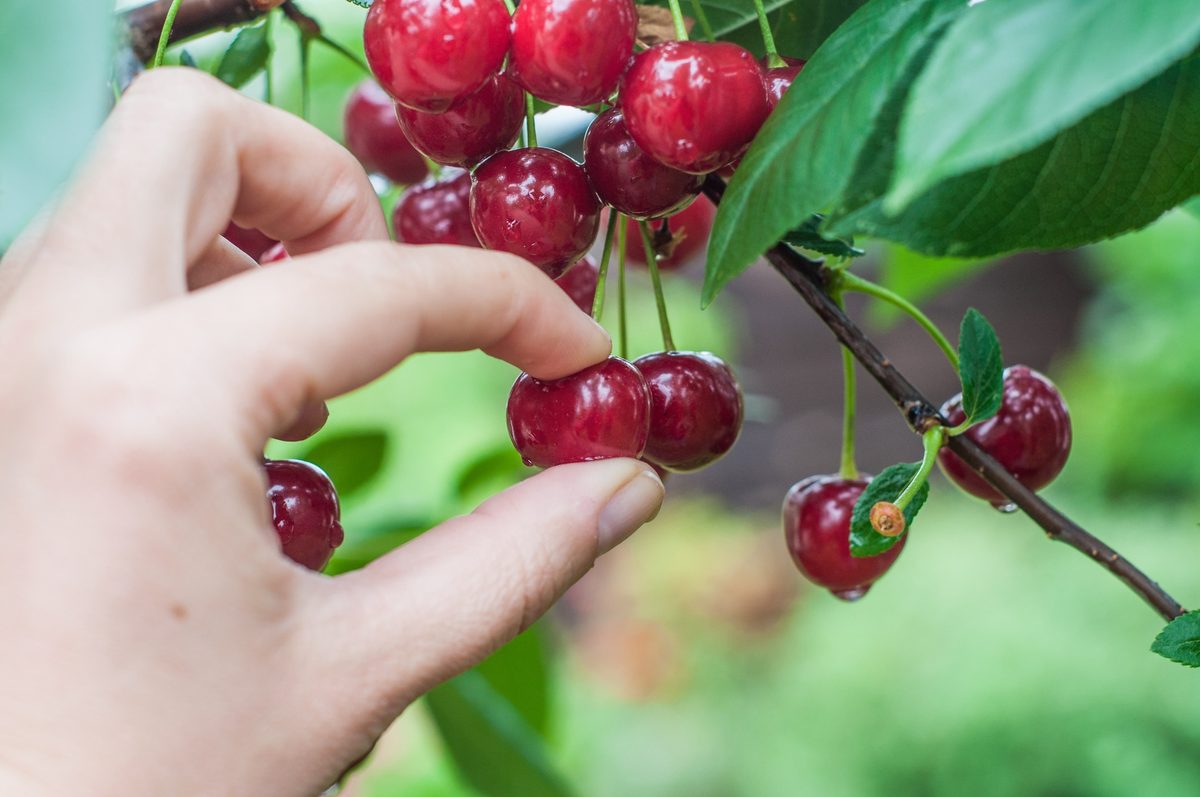
You usually toss them. Or eat them and spit them out, assuming the stem is just a nuisance. But botanically speaking, that little stalk connecting the fruit to the branch is packed with stuff that your soil desperately wants.
It’s rich in tannins. Mineral salts. Flavonoids. Antioxidants.
For centuries, people brewed cherry stem tea for its diuretic effects. But those same compounds don’t just sit in your body. They transform soil health. When you throw cherry stems in the trash, you’re throwing away a gentle, free, 100% natural fertilizer. It’s about valorizing organic waste to feed the earth and boost your plants’ natural defenses.
How to make cherry stem tea for your plants
Think of it as an infusion, but for the ground. You take the stems, drop them in hot water, and let them steep. Just like making tea for yourself.
Let it cool. Strain it out. Now you have a nutrient-rich decoction.
Pour it at the base of your plants. Or put it in a spray bottle. It’s a natural fortifier. The oligo-elements in the water encourage root growth. They help plants resist water stress or heatwaves. It also stimulates the microbial life in the soil. This is especially useful for young seedlings or plants just getting established after transplantation.
Adding cherry stems to your compost pile
Another option is to toss them directly into your compost bin. Their thin, thread-like structure breaks down slowly. This is actually a good thing. It balances the mix between wet, green waste and dry, brown waste.
They add cellulose. This gives the compost structure. Without it, piles can get too compact or soggy. Cherry stems diversify the mix, leading to a higher-quality final product. They help create stable, fertile humus. This is perfect for heavy-feeding crops like tomatoes, squash, and cabbages.
Using dried stems as mulch
Dry them out first. Then use them as a lightweight mulch around your vegetables.
Lay them at the base of the plants. They shield the soil from drying out. They reduce water evaporation. They choke out unwanted weeds.
This isn’t your typical wood-chip mulch. It’s especially effective in the heat of summer. It works well for aromatic herbs or summer veggies like peppers, eggplants, and cucumbers. As the stems break down, they feed the soil fauna. Earthworms, in particular, love it. And earthworms are your best friends in the garden.
DIY fermented liquid fertilizer
If you like tinkering, try fermenting the stems. It’s similar to making a plant purin.
Fill a bucket with cherry stems. Cover them with rainwater. Let it ferment for about ten days. Stir it regularly.
The result is a potent liquid fertilizer. It’s a hands-on way to extract those nutrients in a concentrated form. No cost. Just time and patience.
Stop underestimating these small things
In a circular garden logic, nothing is waste. Everything has a second life. What looks like insignificant trash becomes a powerful tool for a healthy, autonomous, and productive vegetable patch.
Using cherry stems is a simple gesture. But it’s also intelligent. It reconnects you with ancestral know-how. Practices where nothing was wasted. Where observing nature guided every decision.
Cherry stems aren’t just good for your body. They are a precious natural resource for the gardener who knows how to use them. Easy to apply. No extra cost. Fits perfectly into an eco-friendly and economic approach.
So the next time you eat a handful of cherries, keep the stems. Your garden will thank you. Maybe not with words. But with stronger roots. Greener leaves.