Home improvement projects look great on Pinterest, but they also come with real risks. About 10% of home accidents occur each year when people are trying to repair, build or update their home. This number is bigger than you think. Turns out swinging a hammer and making holes in drywall is no joke.
Good news? Most of these incidents are preventable. You don’t need to be a professional contractor to work safely. You must respect the tools and materials you use to work.
Why do DIY accidents happen?
People get hurt because they are in a hurry. Or you’re using the wrong gear. Or we ignore simple steps to keep ourselves safe. The goal is not to discourage DIY. The goal is to prevent a trip to the emergency room.
Think about your last project. Do you wear safety glasses? Did you check your tools for damage before starting? If the answer is no, you’re already at 10 percent.
Essential Precautions for Safe Renovation
从基础开始。 对于任何家庭维修任务来说,这些都是不可协商的步骤。
- 戴上护目镜。 车间里到处都是灰尘、碎片和破碎的玻璃。 便宜的安全眼镜总比没有好。
- 使用听力保护装置。 电动工具声音很大。 长时间接触会损害您的听力。 耳塞或耳罩是廉价的保险。
- 戴上手套。 它们可防止碎片、锋利边缘和化学灼伤。 请小心旋转机械,手套可能会被夹住。
- 保持工作空间清洁。 杂乱的地板有绊倒的危险。 凌乱的长凳会导致工具掉落。
工具安全基础知识
在插入任何东西之前,请先检查一下。 寻找磨损的电线。 Missing guards. Dull blades. 损坏的工具是危险的工具。 不要使用它。
使用电动工具时,更换钻头或刀片时务必拔掉电源插头。 切勿让正在运行的工具无人看管。 只需一秒钟就会出现问题。
Ventilation Matters
Many DIY jobs require paints, solvents and glues. These fumes can make you dizzy. They can irritate your lungs. Work in a well-ventilated area. Open windows. Use a fan. Wear a respirator if the product label says so.
Know your limits
You don’t have to do everything yourself. If you feel your job is not safe, stop. Call a professional. Your health is more important than saving a few hundred dollars.
Start slowly. Build your confidence. Learn how to use each tool properly before you tackle big projects. Safety doesn’t stop you from DIY. This is the basis of it.
What is the one safety step you always skip? Be honest.
Lock the door to avoid confusion
Stop it. Don’t lift the hammer yet. Before making any scratches or punctures, you should treat your workspace as a hazardous area. In particular, you must ensure that no one else is present.
Do-it-yourself projects are risky. period of time. Children are curious and don’t think of ladders as tools. They look at the climbing frame. Pets are even worse. They trip over power lines, knock over paint cans, and chew on things they shouldn’t. close the door. Lock it if you can. Put up a sign that says “Work in progress”. Install a baby gate if necessary. The goal is simple. It’s about creating a physical boundary between your project and your home. You won’t get hurt if you can’t break in, and you won’t ruin a clean route.
清理甲板以确保安全
现在,看看房间。 你有什么困难吗?
杂乱是精度和安全性的敌人。 你需要把房间拆掉。 拆下灯。 取下小摆设。 清理货架。 如果这不是工作的一部分,那就是一个障碍。
家具是大件。 如果您可以移动沙发或桌子,请将其移至另一个房间或车库的中央。 如果不可能,您需要覆盖它。 重型罩布比塑料布更好,因为它们不易滑动。 确保用油漆工胶带密封边缘,这样油漆滴就不会潜入并破坏您良好的室内装饰。
在开始之前整理好你的工具。 将它们放在指定位置。 这不仅仅是为了方便;更是为了方便。 这是关于绊倒的危险。 地板上盘绕的延长线对于除了你之外的任何人来说都是一个死亡陷阱。 将它们卷起来。 如果他们穿过人行道,请将它们粘在墙上。
并打开一扇窗户。 通风很重要。 你不仅呼吸着灰尘,而且还呼吸着灰尘。 你吸入了溶剂、粘合剂和旧油漆的烟雾。 新鲜空气让您头脑清醒。
仅当您保持警觉时才工作。 仓促会导致错误。 错误会导致受伤。 计划好你的休息时间。
Prepare: Protect yourself
If you are injured, you cannot work safely. Personal protective equipment (PPE) is not optional. It’s the difference between a minor breakdown and a trip to the emergency room.
**The eyes are the most vulnerable area. **
Whether you’re drilling into concrete, sanding wood, or using a dishwasher, trash gets thrown around. We don’t ask permission. Use safety glasses with side shields. Regular sunglasses do not solve this problem. It has no impact resistance or coverage. If you work with chemicals, you need safety glasses to seal your eyes.
**Lungs need filtration. **
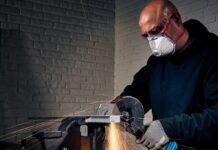
Dust is invisible and can be deadly in the long run. Silica dust in plasterboard and concrete can cause lung diseases. Mold spores in old basements can cause asthma. If you sand, cut or work in a dusty environment, you must wear a mask. A simple dust mask is not enough to remove heavy debris. You will need an N95 mask or preferably a half mask with a P100 filter. Sounds like an otaku. feels strange
Align yourself correctly
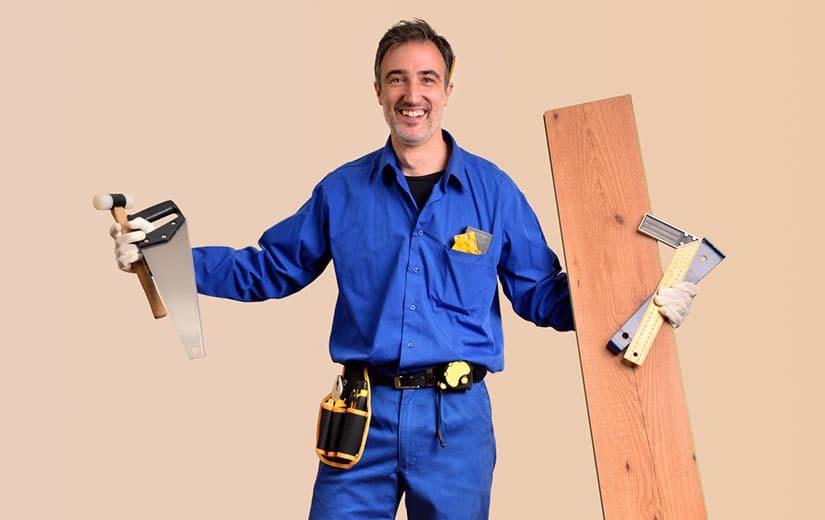
Skip everyday clothes. They offer no protection and are likely to be destroyed. You need work clothes that can withstand heat, sparks and sharp edges. Look for jackets or overalls made from durable, reinforced fabric, especially with extra padding at the elbows. Choose pants with built-in knee pads for your lower half. Your knees will thank you later.
Protect your face
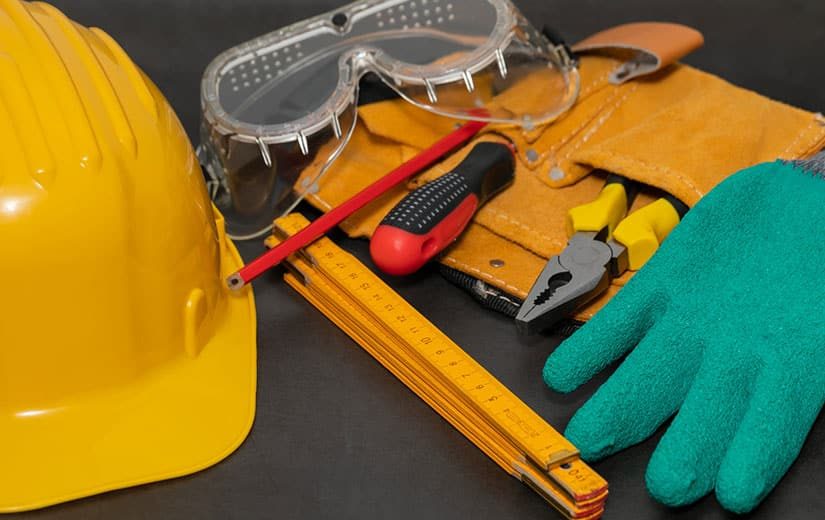
Your face is the most vulnerable part of your body during renovation. It doesn’t take much for a flying splinter of wood or a splash of solvent to cause permanent damage. Start with goggles that cover your eyes to keep out dust and dirt. Ordinary glasses are not enough; You need impact resistant lenses.
When you cut, grind or drill, you also need to protect your respiratory system. A basic dust mask is suitable for light sanding, but for louder or more dangerous tasks, you should switch to a respirator with replaceable filters. And don’t forget your hands. Gloves aren’t just for comfort – they’re your first line of defense against splinters, chemicals and friction burns. Choose the right pair for the job: cut-proof for handling sharp materials, chemical-resistant for painting and durable leather for demanding construction work.
You might skip the mask, thinking you’re just sanding a little wood. But you are wrong. Dust is invisible until it is in your lungs. Wear a respirator. It is not optional. It is Personal Protective Equipment, or PPE. Without it, you inhale particulates. You inhale toxic vapors from solvents or paints. Your lungs take the hit.
The mask must meet specific standards. Not all face coverings filter the same way. Check the rating. Ensure it actually blocks what you are breathing in.
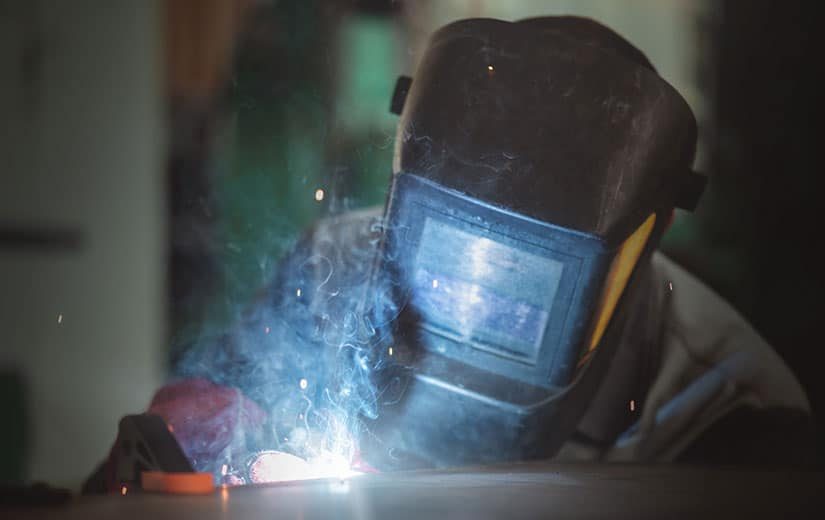
If you are welding, the rules change completely. You need a welding helmet. Sparks fly. Heat radiates. Standard glasses won’t save you. A welding mask protects against intense light and molten metal splash. It guarantees filtration and impact resistance for that specific task.
Eye and Ear Protection
Your eyes are fragile. Wood chips, metal shavings, dust. They fly at high speed. Wear safety glasses. Always. Regular sunglasses are not enough. They do not seal. They do not stop side-impact. Safety glasses lock debris out.
Work is loud? Grinders, saws, drills. Decibels add up. Hearing damage is silent and permanent. Wear ear muffs. Or earplugs. Protect your ears from noise-induced hearing loss.
Head Protection: Helmets vs. Caps
A hard hat is non-negotiable on serious job sites. It stops falling objects. It stops you from hitting your head if you slip. It follows strict safety norms. Choose a construction helmet. They withstand impact. They resist molten metal splashes.
But you are not always on a construction site. Sometimes, you are in a low ceiling. Or working with heavy tools overhead. A padded cap offers lighter protection. It cushions a bump if you hit your head accidentally. It is not a hard hat. Do not confuse them. Use the right tool for the environment.
Protect Your Hands with Safety Gloves
Your hands are your tools. Lose them, and you are done. Gloves prevent cuts, punctures, and abrasions. They also protect against chemicals. Rubber gloves for solvents. Leather for heat and rough materials. Kevlar for sharp edges.
Match the glove to the task. A thin cotton glove offers zero protection against a circular saw. A thick rubber glove offers no grip for fine wiring. Know the hazard. Pick the glove that blocks it.
Keep these items visible. Keep them handy. You will forget them until it is too late.
Protect your hands and feet
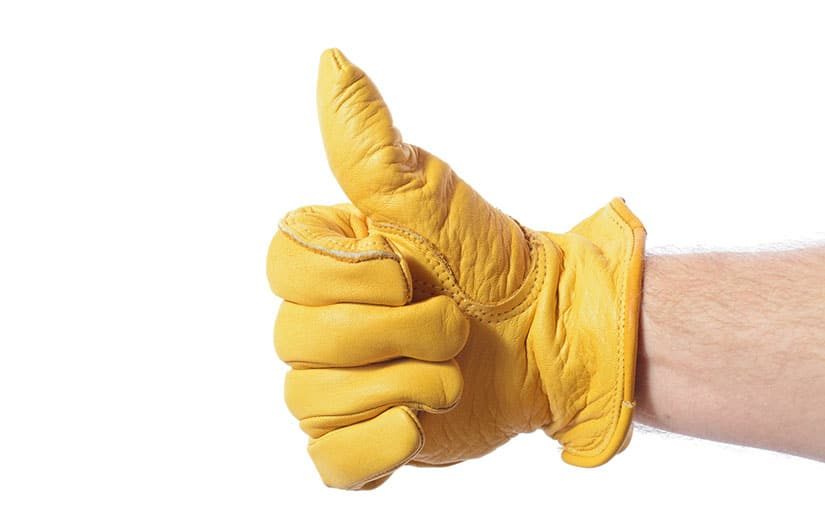
You do the work with your hands. This means they are prone to cuts, burns and abrasions. Gloves are not optional. Gloves are the first line of defense.
Not all gloves are the same. The equipment must be adapted to the task. Cut-resistant gloves protect against sharp edges. Heat-resistant gloves handle hot materials. Wearing the wrong pair leaves you vulnerable.
Check compliance standards. Look for recognized safety certificates on the packaging. If in doubt, ask the seller. They can direct you to a specific type of glove that will work best for your current project. Don’t guess.
Proper Foot Protection
Your feet face similar risks. Falling objects, sharp-edged debris and slippery surfaces are common in any renovation area. Safety footwear is intended to reduce these risks.
Look for reinforced heels. They absorb shocks and increase stability. Soles are equally important. Special tread patterns prevent slipping on wet or uneven floors. Some boots have higher ankles for extra support. Others are designed to keep feet warm in unheated rooms.
Safety footwear is subject to strict regulations. The standards vary depending on the model and purpose of use. These labels tell you exactly what the shoe can withstand. Check for puncture resistance. Check the heat resistance. Make sure they are waterproof if you work in wet conditions. Some models have metal or composite toe guards. Others have non-slip soles. Read the specifications. Match them to your job site conditions.