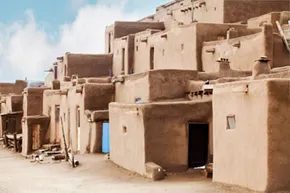
Adobe isn’t just an ancient relic. It’s a building method that has stayed largely the same since the ninth century B.C. You can tweak the process today. Some makers use artificial heat to dry their bricks. Others pour mixtures into larger molds. A few add cement or asphalt for extra strength. But if you do that, you lose the authentic look. You lose the texture. Fire-dried bricks with additives just don’t sit right next to traditional ones.
If you want the real deal, you have to do it the hard way. It takes time. It takes patience. But the result is a material that breathes.
Here is the no-nonsense guide to making your own adobe bricks.
Mixing the Base Material
Start with sand and clay. Mix them with water. This is your base.
- Add straw or grass. Sometimes manure gets thrown in too.
- The organic matter is non-negotiable. It acts as reinforcement.
- It stops the mud from shrinking too fast or cracking as it dries.
- The goal is uniform shapes.
Mix it until it’s consistent. You aren’t looking for perfection here. You are looking for a workable mud.
Forming the Bricks
You need wooden forms. Keep them simple.
- Pour the mud mixture into the forms.
- Level it by hand.
- Size matters. Make them easy to move. If you can’t lift it comfortably, it’s too big.
- Shape doesn’t have to be standard. You can make them any size you want. But practicality wins.
Once formed, remove the bricks from the wood. Lay them out on a surface covered with straw or grass. This prevents sticking. It allows air to circulate underneath.
Let them dry in the sun for a few days. Then, stand them on their edges.
“After they have dried for a few days, the bricks are set on their edges for at least four weeks of air-drying.”
That four-week wait is critical. Rush this step and your walls will crumble. Hard, fully dried adobe bricks take effort to lay. But they last.
Laying Adobe Walls
You don’t need a basement for an adobe house. Start with a foundation. Stone works well. So do locally available materials.
Use mud mortar for the bricks.
- Mud shrinks and swells with the bricks.
- Cement is too rigid. It will crack.
- Cement is too strong. It fights against the natural movement of the earth and temperature.
Stack the bricks to create thick walls. Aim for 10 inches (25.4 cm) or more.
- Thick walls provide strength.
- They regulate temperature.
- Cool in the summer.
- Warm in the winter.
Keep the house rectangular. Don’t go taller than two stories. Adobe is massive. It’s heavy.
Cut openings for doors and windows sparingly. Too many openings weaken the structure.
- Use wooden lintels over these openings.
- They support the weight above the gap.
Choosing a Roof and Finish
Traditional roofs vary by location.
- Thatch is common.
- Logs or rough timbers (vigas) act as beams.
- Sticks go over and between those beams.
- Some builders use adobe mud as the roofing material itself.
Modern builders might choose terra cotta tiles. Wooden shingles work. Metal roofing is an option.
The roof should be fairly flat. But not level. Water needs to run off. Standing water kills adobe.
Finally, coat the walls.
- Mud plaster.
- Whitewash.
- Lime plaster.
- Cement stucco.
Protection is key. These coatings shield the bricks from rain and wind.
Adobe has a long history. But it’s gaining traction in modern circles again. People are tired of drywall. They want something with mass. Something real.
The process is slow. The materials are local. The labor is hands-on. It’s not for everyone. But for those willing to wait four weeks for a brick to dry, it’s a different kind