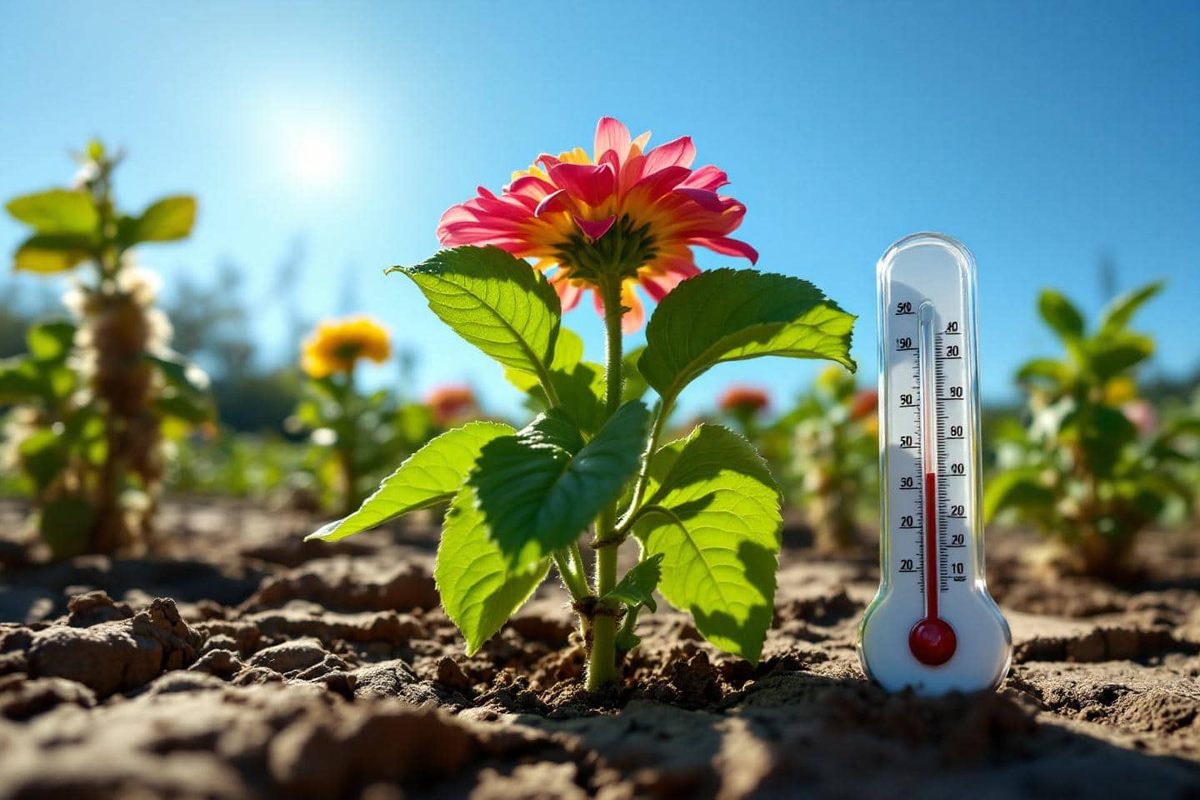
When August turns your French balcony into a cracked-earth wasteland, most gardeners pack it in. You watch your spring efforts wither. The petunias curl. The roses look tired. But there is one exception. One flower that doesn’t just survive the heat. It thrives. Enter the gaillardia.
This perennial doesn’t care about your watering schedule. It doesn’t care if the thermometer hits 35°C. It just blooms. Bright, bold, and unapologetic. If you are tired of replanting every few weeks, this is your solution for the summer of 2025.
Why Gaillardia Beats the Heat
Most plants panic when the sun beats down. They shut down. They brown at the edges. Gaillardia (Gaillardia ) evolved in the dry prairies of North America. It knows how to handle drought. Its roots dive deep to find moisture others can’t reach.
Compare this to your standard bedding plants. Petunias? They wilt in an afternoon. Geraniums? They might last, but they rarely dazzle like the gaillardia. This plant is built for resilience. It pushes out flowers from June straight through to October. That is nearly five months of color when everything else has given up.
The blooms range from golden yellow to intense crimson. Sometimes you get that striking orange rim. The stems, reaching up to 80 cm, hold the heads high. Even in the dead of summer, the foliage stays slightly fuzzy and green. It creates a stark, beautiful contrast against parched lawns.
How to Grow Gaillardia Successfully
You don’t need a green thumb. You need a sunny spot and a little patience during the setup. Here is how to get it right.
1. Pick the right spot
Sun is non-negotiable. Gaillardia needs full sun. At least six hours a day. If you put it in shade, it will get leggy and weak. It also needs good drainage. These plants hate “wet feet.” If your soil is heavy clay, you must amend it. Mix in some sand or grit. Or better yet, grow it in pots.
2. Soil preparation
The soil should be lean. Not rich. Too much fertilizer leads to floppy plants with few flowers. A standard potting mix works for containers. For in-ground planting, dig out the native soil and mix in some compost. Just don’t overdo it.
3. Planting timing
Spring is best. Wait until the danger of frost has passed. You can buy young plants or start from seeds. Seeds take longer but give you more variety. Young plants give you instant gratification. Space them out. They spread. Give each plant about 30 to 40 cm of room. Crowding invites disease.
4. Watering strategy
Here is the counter-intuitive part. Once established, gaillardia is drought-tolerant. Do not water it constantly. Let the soil dry out between waterings. In the first few weeks, keep it moist to help roots establish. After that? Back off. Overwatering is the quickest way to kill a gaillardia. Rot sets in fast.
Maintenance: Less is More
You might think you need to deadhead these flowers constantly. You don’t have to. While removing spent blooms can encourage more flowers, the gaillardia is robust enough to bloom well on its own.
If you want a tidy look, cut back the stems after the first flush of blooms. This promotes a second wave of flowers later in the season. It keeps the plant compact. Without this, the plant can get a bit leggy by late summer.
Pests and diseases
Gaillardia is generally pest-resistant. Aphids? They might show up, but they rarely cause significant damage. Powdery mildew can happen in humid, poorly ventilated areas. Ensure good air circulation. If you grow them in pots, space the pots out. Don’t let the leaves touch.
Why It’s the Best Choice for Small Spaces
If you only have a balcony, don’t despair. Gaillardia grows in pots. Use a container at least 20 cm deep. The drainage holes are critical. Add a layer of gravel at the bottom. Fill with potting mix. Plant one gaillardia per pot for a striking display, or cluster three for a fuller look.
The visual impact is huge. The flowers look like daisies but with more character. They attract pollinators. Bees love them. Butterflies love them. In a city garden where insects are scarce, this plant becomes a beacon.
The Verdict on Summer Stress
We spend so much money on plants that die in July. It’s frustrating. It’s wasteful. Gaillardia changes the equation. It is a one-and-done purchase for the season. You plant it in spring. You enjoy it until the first frost. You might even get it to come back next year if you live in a hardier zone.
It requires almost no maintenance. It handles heat. It looks amazing. Why complicate things?
There is a catch, though. A small one. Gaillardia can spread via seeds. If you don’t want volunteers popping up in your lawn, keep an eye on it. Or let them go. You might be surprised by the new plants that appear.
So, this summer, skip the high-maintenance blooms. Go for the
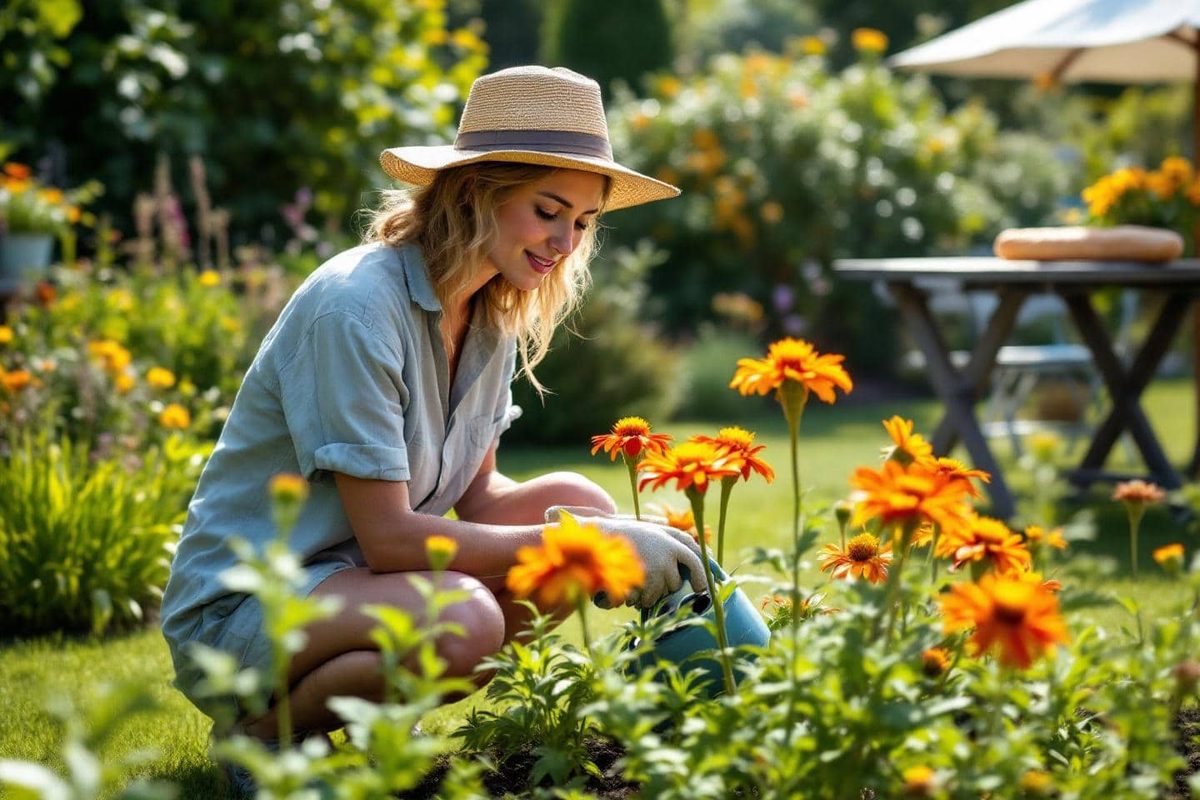

Planting gaillardia is remarkably easy, whether you have a small urban terrace or a sprawling backyard. You don’t need special skills or expensive gear. The main requirement is sunlight. Full sun makes the blooms pop. If you give it shade, the flowers will be sparse and weak.
The soil needs to drain well. Gaillardia hates wet feet. Clay soil? Mix in some sand to improve drainage. Fertile soil isn’t necessary. In fact, too much fertility can make the plants leggy.
Plant them after the last frost. In most zones, that’s April or May. Space the plants about 30 cm apart. This prevents overcrowding and allows air circulation. Use pots with drainage holes or lay down gravel in garden beds.
- Location: Full sun exposure is non-negotiable for best results.
- Soil Prep: Amend heavy clay with sand or grit.
- Spacing: 30 cm between plants ensures good airflow.
How to Grow Gaillardia with Minimal Effort
Maintenance is minimal. This is a key reason to choose gaillardia if you’re short on time. Water only during planting and then only if there’s an extended drought. Moderate watering is all it takes.
Mulch around the base. This helps retain moisture during heatwaves without keeping the roots soggy.
Deadhead spent flowers. It sounds tedious, but it works. Removing faded blooms encourages new buds to form. You’ll get a longer flowering season.
Some gardeners cut back the plants in late autumn. This strengthens the clumps for next year. It’s not strictly necessary, but it helps. The plant rewards you with blooms even with little input.
Best Gaillardia Varieties for Long-Lasting Blooms
The market has many options. You can get simple or double flowers. Colors range from bright yellow to deep purple.
For compact growth, try “Kobold.” It stays small and blooms continuously.
If you want flamboyant color, choose “Arizona Sun.” The red-orange hues are striking.
Mix varieties for a layered effect. Play with different shades and densities. The result is a visual explosion that lasts from summer into early autumn.
Choosing the right variety impacts both the height of the plant and the duration of its bloom.
Why Gaillardia Reduces Your Summer Water Bill
Water management is critical in summer. Restrictions are common. Gaillardia cuts down on your usage significantly.
It needs less than 20 liters per square meter per month. Other flowers might use three times that amount. The difference is huge.
This low water requirement saves time. It also aligns with ecological goals. You’re preserving resources. Your garden stays green without wasting precious water.
Attracting Biodiversity Even in Drought
Gaillardia does more than look good. It supports local ecosystems. The large petals attract pollinators.
Bees visit the flowers. Butterflies land on them. Insects thrive even when the weather is dry.
Integrating gaillardia into your beds supports the local food web. You’ll see more insect activity. The garden feels alive. It’s a small change with a big impact on biodiversity.
Summary of Benefits
Gaillardia offers several advantages:
- Reduced water consumption
- Minimal maintenance
- Bright, long-lasting color
- Support for pollinators
It meets the criteria for a low-stress summer garden. If you want beauty and durability, this plant is a strong choice. It dispels the myth that summer gardens are fragile.
Planting gaillardia in beds or pots changes the dynamic of your space. You get a vibrant garden without the constraints. The secret to a relaxing summer might be this resilient flower. Make it the star. Enjoy a garden that shines even in the hottest hours.