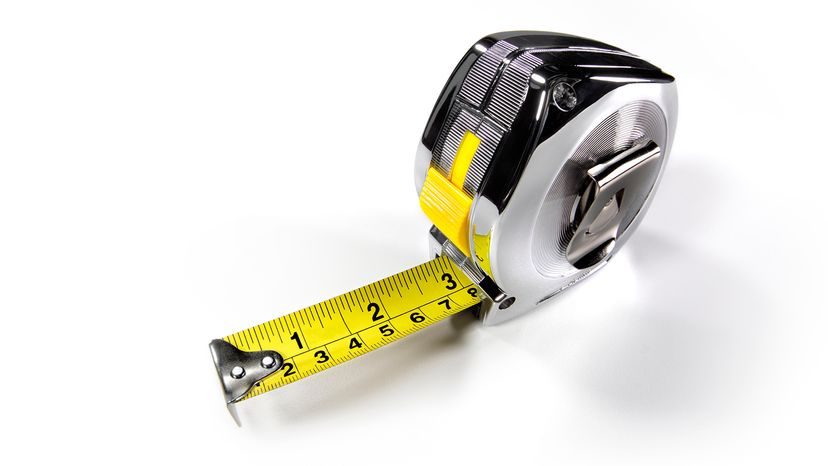
You don’t need to be a contractor to wield a tape measure. You just need to know how it works. It is the cheapest, most reliable tool in your shed. Every homeowner should own at least one. Maybe two. One for inside jobs and one for the backyard.
A tape measure is a flexible ruler. It sizes up spaces with precision. You might grab a compact 12-foot (3.66-meter) model for small interior fixes. Or you might reach for a robust 100-foot cloth tape for outdoor boundary checks. These tools come in various lengths and styles. They suit every measuring need.
They feature both imperial measurements (inches and feet) for U.S. standards and metric measurements (millimeters and centimeters) for global compatibility. This duality means you are covered anywhere.
What Does a Tape Measure Actually Do?
At its core, it is a versatile, portable gadget. It determines length. It figures out the distance between two walls. You use it to size up a new sofa before buying it. You use it to check if a table fits through the door.
But it is more than just a marked strip of metal. It is a precision instrument.
The beauty of a how to use a tape measure correctly lies in the markings. Look closely at the face. You have bold inch marks. Then there are half-inch lines. Smaller still are quarter-inch and eighth-inch marks. Each line has a purpose.
These precise increments allow for accuracy. You can find the halfway point on a DIY shelf. You can get the exact measurement for professional framing. If you prefer metric, the millimeter and centimeter lines offer fine-tuned accuracy. The smallest metric measurement is just as vital for tight fits.
How to Safely Use a Tape Measure
Using this tool seems easy. Getting accurate measurements every time takes a bit of art. First, extend the tape.
Pull gently from the case. Guide it from your starting point to the desired length. Most steel blade tape measures feature a sturdy metal hook at the end. This hook latches onto objects. It provides stability. It is especially handy when measuring a distance alone.
“The metal hook on a tape measure is designed to latch onto objects for stability, particularly when working solo.”
Control is key. Many modern tapes have tension-control brakes. These locks keep the blade in place. They prevent the tape from snapping back. This is a lifesaver for precise tasks. Think fitting shelves or measuring cabinet boxes.
For longer tapes used outdoors, look for a crank on the side. You use this to retract the tape smoothly. It avoids kinks. It prevents tangles.
Retracting Your Tape Measure
Tape measures are generally safe. Caution is still required. This is true when retracting the blade. Slow and steady wins the race.
If you have a steel blade model, guide it back into the case. Keep your fingers clear of the edges. You want to avoid nicks or cuts. This method maintains the integrity of the tape. It also prevents the surprise snap of a metal blade whipping back.
Whether you are extending to full length or just a quarter inch, control is paramount. You can then focus on the work. Hanging artwork in a straight line. Determining inside measurements. Safety lets you concentrate on accuracy.
Choosing the Right Tape Measure for Your Needs
Tape measures come in arrays. Each length suits different tasks. The standard tape is usually 12 feet (3.66 meters). It is perfect for everyday home use. It fits in a tool belt clip. It handles smaller interior projects comfortably.
For extensive work, try a 25-foot (7.62-meter) tape. Builders call this a builder’s tape. It is ideal for measuring the inside width of a room. It works for distances between wall studs. A builder’s tape is marked in feet. It includes 1/16-inch increments. This aligns with standard construction measurements.
Then there are the large outdoor tapes. A 100-foot (30.48-meter) cloth tape is great for property boundaries or landscaping. These longer tapes usually have a coiled design. They are easy to handle. They retract quickly.
Which tape suits your current project? The answer depends on the scale.
Keeping the Blade Clean
Tape measures are built to take a beating. They’re meant to survive job sites, attics, and muddy floors. But even rugged tools suffer from neglect. The single most important thing you can do for your measuring tool is keep the blade clean.
Think about where you’ve been. Drywall dust? Sawdust? Dirt from the garden? All of it coats the metal. If you don’t wipe it down, that grit finds its way into the case. Once it’s in there, it mixes with the internal oil. You get a paste. That paste grinds against the gears. It jams the retraction spring. You end up with a broken tool.
Grab a rag. Wipe the blade after every major job. It takes ten seconds. It saves you twenty dollars in replacements and hours of frustration.
Don’t Let It Snap Back
You know the sound. Whack. The tape flies back into the housing with violent force. It feels satisfying. It looks efficient. Do not do this.
Snapping the tape back at full speed is the fastest way to kill a measuring tape. The shock damages the coil spring. It warps the blade. Eventually, the tape won’t retract at all. Or it will retract crookedly, sticking out at an angle that makes measuring impossible.
Guide it back. Slowly. Let the mechanism do the work. You protect the internal recoil system. You also keep your fingers out of the pinch point. A bent finger isn’t a great look on a construction site anyway.
Check the Hook for Looseness
Accuracy is a habit. Most people assume their tape measure is accurate until it isn’t. By then, you’ve already cut the wrong length. You’ve bought the wrong amount of trim. You’ve wasted material.
The end hook is the weak point. It’s held on by friction and sometimes a tiny rivet or screw. Over time, especially if you’ve hooked it onto nails or rough lumber, that hook can become loose. If the hook moves independently of the blade, your measurements are off.
This matters most for precision work. Cabinetry? Interior dimensions? You need exact numbers. If the hook wobbles, fix it. A small screwdriver might tighten the retaining screw. If it’s a rivet, you might need to replace the hook or the whole tape. Don’t guess. Measure twice, but check your tool first.
Why Maintenance Matters
We treat tape measures like disposable items. We throw them in the truck. We leave them in the sun. They survive, but they don’t thrive.
Proper care isn’t about perfection. It’s about longevity. A clean blade retracts smoothly. A tight hook measures accurately. A gentle retraction keeps the spring alive.
You spend more time measuring than you think. Make sure your tool is ready when you are.