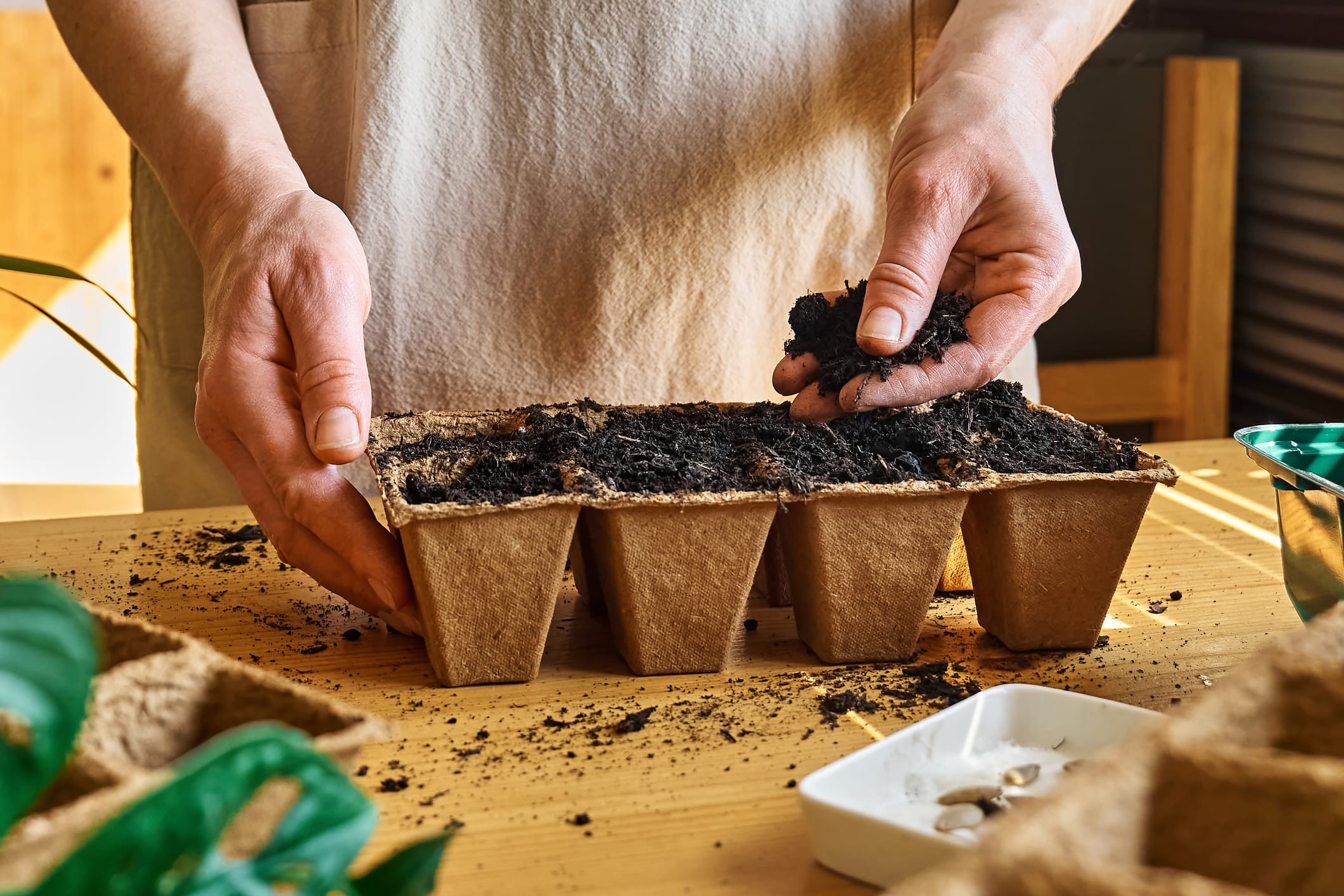
Soil that digs into your cuticles is annoying. It gets under the nails, stays there, and looks terrible. Most people reach for gloves. Others just wash harder. There is a third option. It costs nothing and takes five seconds.
Soap.
Yes, regular hand soap. The kind sitting in your bathroom sink. It works as a barrier before you touch the dirt.
Why soap keeps your hands cleaner than gloves
Gloves solve one problem and create two others. They sweat, they slip off, and they get dirty on the inside. When you take them off, you still have to scrub your hands anyway.
Soap applied to dry hands forms a thin, slippery layer. Soil sits on top of that layer instead of pressing into skin. When you rinse it off, the dirt goes with it. You spend less time scrubbing. Your skin doesn’t get stripped of moisture because you’re not using harsh degreasers or constant hot water.
This works best with gel soap or cream-based wash. Avoid soap that dries out your skin fast. A slightly slick texture is what you want.
How to use soap as a gardening barrier
- Wash your hands with water first. Get them clean but don’t dry them completely.
- Apply a generous amount of unscented or lightly scented hand soap.
- Rub it in until you feel a thin, even film. It should feel slightly tacky, not dripping.
- Start gardening.
- When you’re done, rinse with cool or lukewarm water.
You can reapply halfway through a long session. If your hands get really dusty, just add a little more soap and rub it in again. No need to wash and start over.
Where this trick falls short
Soap won’t protect you from sharp thorns, broken glass, or splashing pesticides. If you’re pruning roses with sharp stems, wear finger cots or lightweight fabric gloves. If you’re mixing chemicals, gloves are non-negotiable.
The soap method is for general digging, potting, weeding, and handling loose soil. It’s a comfort hack, not a safety gear substitute.
Which soap works best
Look for fragrance-free or sensitive-skin formulas. Scented soaps can irritate skin that’s been exposed to sun and plants all day. Avoid antibacterial soaps with strong chemicals like triclosan, which are no longer commonly found anyway, but older bottles might still have them. A simple moisturizing hand wash is ideal.
Don’t use dish soap. It strips natural oils and leaves hands rough and itchy after a few hours of work.
Practical tips for messy hands
- Keep a small bar of soap or a travel-size bottle in your garden shed.
- Rinse with cool water, not hot. Hot water opens pores and can push more grit under the nail.
- Dry hands gently with a clean towel. Don’t rub hard.
- If you have a bad habit of scratching your nose or face while gardening, the soap layer helps keep your face cleaner too.
This isn’t about never getting dirty. It’s about making cleanup faster and less irritating. Your hands will still have some soil in the creases. But under the nails?
Why gardening gloves actually hold you back
You know that feeling? You reach for a seedling and the rubber or fabric feels like a second skin. It’s there, but it’s dead. That’s the problem with gardening gloves. They protect you from scratches and mud, sure. But they also mute your hands.
When you dig by hand, you feel the difference between dry topsoil and the damp, rich clay below. You feel the snap of a root. You feel the softness of a new shoot. Gloves block that feedback loop. And if you are trying to do something delicate, like sowing tiny seeds or repotting a fragile seedling, bulk is your enemy.
The soap barrier: a hack that actually works
Forget the gloves. Try this instead. Before you head out to the yard, grab a bar of soap. Rub it against the underside of your fingernails.
The goal is to create a physical barrier under the nail.
You are literally stuffing soap into the space where dirt usually gets trapped. As you dig, the mud hits the soap layer. It cannot penetrate further. It slides off. When you are done, you just wash your hands. The soap dissues, the dirt washes away, and you are clean. No scrubbing. No black crevices.
This is cheap. It is eco-friendly. And yes, it keeps your hands somewhat moisturized if you use a glycerin-based soap.
How to do it right (step-by-step)
1. Pick the right soap
Not all bars are created equal. You want something solid and standard. Glycerin soaps work well because they are gentle and slide easily under the nail. If your skin is sensitive, look for hypoallergenic options or ones with natural oils. You do not want a harsh detergent that strips your skin while you are digging.
2. Pack it under the nail
This is the part that feels weird. Take the soap bar and scrape it under each fingernail. Do not be gentle. You want the soap to fill the entire subungual space. If your nails are long, trim them down first. Short nails mean less room for dirt, and less soap to pack in.
3. Do your work
Plant. Weeded. Water. The soap layer does the heavy lifting. It prevents the “black nail” syndrome. You can handle soil, roots, and stems without worrying about grime getting stuck in places a brush cannot reach.
4. Rinse and go
When you are finished, wash your hands with warm water and your regular soap. The barrier dissolves instantly. Your nails are clean in seconds. No aggressive scrubbing required.
Other ways to keep bare hands happy
Soap is the main trick, but it is not the only one.
- Trim those nails. Short nails are your best friend. Less surface area means less dirt retention.
- Use natural oils. A few drops of sweet almond oil or olive oil on your hands before you start adds a layer of protection and deep hydration.
- Moisturize after. Always. Your hands will dry out from the soil and sun. A good hand cream keeps the skin elastic and healthy.
Is it really better than gloves?
For most people, yes. The tactile connection is worth it. You are not just moving dirt; you are reading the soil. The soap trick removes the biggest downside of bare-hand gardening: the cleaning hassle.
You save money on synthetic gloves. You reduce plastic waste. And you get cleaner hands with less effort.
Give it a try next time you are in the garden. Rub the soap, dig the soil, wash off. Your hands will thank you. Your plants will not care about the trick, but you will notice the difference in how the work feels.
Sometimes the simplest fix is the one hiding in your bathroom cabinet.


