The oven is dirty. Roasting meat splatters. The lasagna is bubbling. The pie is dripping. Before I knew it, the inside was covered in a black, petrified shell. Fat globs are bad. Fossil sugars are even worse. Cleaning them usually means scrubbing on your knees. Or use toxic chemicals and hope for the best.
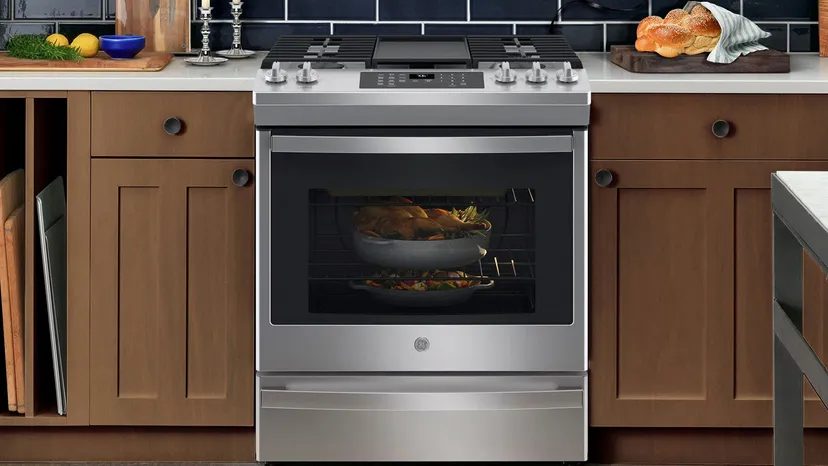
General Electric solved this problem in 1963 by introducing self-cleaning ovens. The P7 model uses pyrolysis cleaning. This heats the residue until it chars. It turns to ashes. The oven has additional controls. These allow high temperatures to be reached. Today we have another option. Steam clean the oven to remove dirt. Does not use extreme heat.
Self-cleaning is a bit of an exaggeration. You still need to get involved. Remove easy drippings first. This will reduce the smoke. Wipe off any residue after the cycle. The method you choose is important.
Heat requires energy. Self-cleaning ovens use a lot. They can smell like barbecued roadkill. This happens when thick dirt burns. These fumes are toxic to pet birds.
Self-cleaning ovens are a blessing for bakers. They let you toss chemical cleaners. They clean hard-to-reach areas. No extra elbow grease needed. The pyrolysis oven saves energy. Additional insulation contains a lot of heat.
In the next section, you’ll open the oven door. You will see how these mechanisms work.