Your electric furnace is dead. The thermostat says 70 degrees. The house is freezing. And the unit just sits there, silent and uncooperative. Before you call a pro and pay a service fee, look at the problem yourself. Electric furnaces are simpler than gas ones. Fewer moving parts. No pilot lights. No gas leaks. Just electricity and heat. But that simplicity means you need to check the right things in the right order.
Start at the breaker panel. This is the most common culprit. Go to your main electrical service box. Look for the switch labeled “Furnace” or “HVAC.” It might be tripped. Flip it off. Then flip it back on. If it trips again immediately, stop. You have a short circuit or a ground fault. Do not keep resetting it. Call an electrician. But if it stays on, move on.
Check the safety switches. The door switch is critical. If the furnace door isn’t sealed tight, the unit won’t start. It’s a safety feature. Open the access panel. Look for the switch near the hinge. Make sure it’s depressed when the door closes. Sometimes the plastic tab breaks. Or the spring fails. If the switch looks damaged, replace it. It’s cheap. And easy. You’ll need a screwdriver and a multimeter to test continuity if you’re unsure. But visually inspecting it usually tells you enough.
Next, look at the filter. A clogged filter restricts airflow. The furnace overheats. The high-limit switch trips. This shuts down the burner. Or in an electric furnace, it cuts power to the heating elements to prevent fire. Pull the filter out. Is it gray? Caked with dust? Replace it. Use the right size. Don’t force a 20-inch filter into a 16-inch slot. It won’t seal. Air will bypass it. And you’ll be back in the same spot next month.
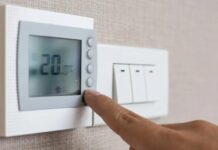
Check the thermostat. Is it set to “Heat”? Is the fan set to “Auto”? Try raising the temperature setpoint by five degrees. Listen for a click. If the fan doesn’t kick on, the thermostat might be dead. Or the wiring is loose. Turn off power at the breaker. Remove the thermostat faceplate. Check the wires. Are they loose? Corroded? Re-seat them. If the system still doesn’t respond, replace the thermostat. They’re inexpensive. And programmable ones save money.
Now, look inside the cabinet. Power off. Always power off. Pull out the heating elements. They look like large resistors. Check for breaks in the wire. Look for burns. Insulation might be melted. If an element is open, it won’t heat. Test it with a multimeter. Set it to ohms. Touch the probes to the terminals. You should get a reading. Infinite resistance means it’s broken. Replace the element. You’ll need a socket wrench. And a ladder. Be careful. The elements are heavy. And fragile.
Check the contactor. This is the big relay switch. It engages the heating elements. Listen for a click when the thermostat calls for heat. If you hear the click but the furnace doesn’t start, the contactor might be welded shut. Or its contacts might be pitted. Visually