Summer isn’t just arriving. It’s already here. If you own a balcony or terrace, you know the drill. By midday, your outdoor space isn’t relaxing. It’s an oven. You step out for coffee and burn your feet. The sun beats down with zero mercy.
Most homeowners accept this fate. They think cooling down their patio requires a contractor, permits, and thousands of euros in structural changes. That’s a myth. You don’t need to drill into your wall to create shade. You just need the right gear.
Why Drilling Is Overrated for Outdoor Shade
Let’s be clear. Permanent structures are heavy. They take time. They cost a fortune. For many renters or cautious homeowners, the risk of damaging masonry or violating lease agreements is too high.
Enter the retractable awning. Specifically, the Livarno manual awning. It’s not just another accessory. It’s a practical solution for immediate relief from UV rays and heat. The price point? €59.90. That’s less than a weekend’s worth of grocery shopping.
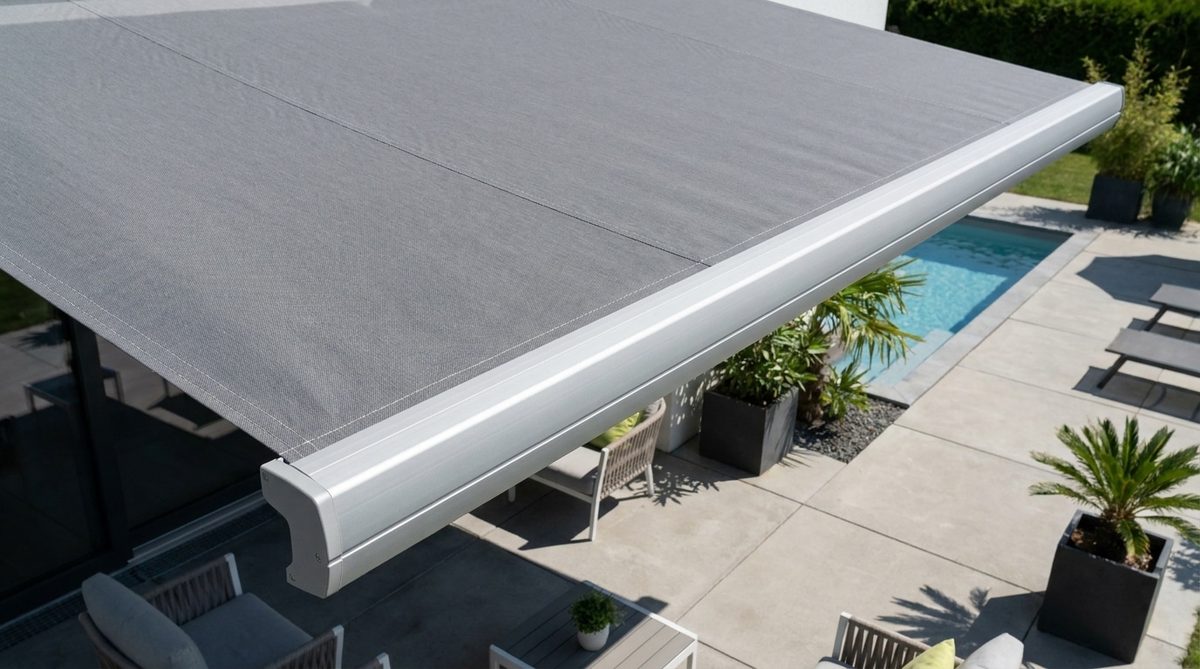
This isn’t a flimsy piece of plastic. It’s a robust textile system designed to withstand the elements. The fabric is anthracite, a dark gray that looks sleek on modern buildings but also complements traditional brick or stucco. It doesn’t scream “cheap.” It whispers “considered design.”
The Fabric Matters More Than You Think
Sunlight does two things to your body. It heats the air. It damages your skin. A good shade system handles both.
The Livarno model uses high-quality textile with a water-repellent finish. This means rain beads up and rolls off. It also resists dirt and grime. You won’t be scrubbing mildew off your canopy next spring.
More importantly, it blocks UV rays. This creates a microclimate. Under the awning, the temperature drop is noticeable. It’s not air conditioning. But it’s enough to make reading a book or eating lunch tolerable. The atmosphere becomes calm. The harsh glare disappears. You regain your outdoor space for the hours that actually matter.
Installation: No Perforation Required
Here’s where most people get stuck. They see a shade and think, “I need a drill. I need anchors. I need to find studs.”
Skip the heavy machinery.
This unit is designed for tool-free installation. The mechanism relies on tension and secure mounting points that don’t compromise the wall structure. You can set it up in minutes.
Think about the tools you’d normally need for a permanent awning:
* Power drill
* Masonry bits
* Level
* Screws and anchors
* Ladder (and the anxiety of using it)
Now look at what you need for this:
* Hands
* Maybe a screwdriver (if the hardware requires manual tightening)
* Five minutes of patience
“Fini la perceuse.” — Goodbye drill.
This isn’t about cutting corners. It’s about smart engineering. The mounting brackets are designed to grip securely without piercing deep into the substrate. This makes it ideal for rental properties, historic facades, or just lazy weekends.
Is It Worth the
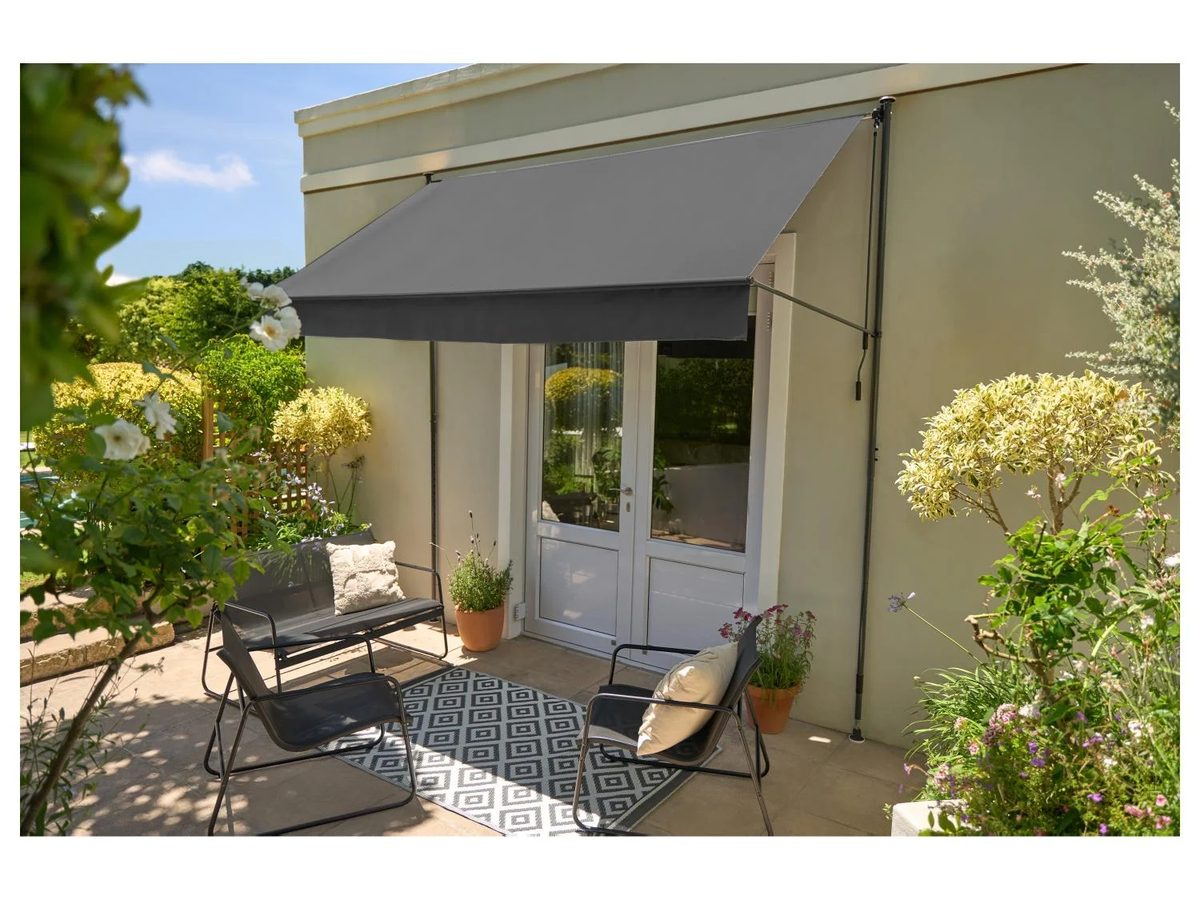
Piercing your facade is a huge turn-off for most homeowners. You don’t want to drill into stucco or brick if you can avoid it. This shade system sidesteps that problem entirely. It uses vertical steel tubes that expand continuously to lock between the floor and the ceiling.
The stability comes from the tension. No anchors needed. Specific protective end caps prevent damage to your existing surfaces. The kit includes all necessary mounting hardware and clear instructions. Setup feels straightforward if you follow the steps.
Adjusting the shade is fluid. A removable crank handle makes deployment and winding effortless. You can tweak the projection arms to control the angle of shade. This matters as the sun moves across your patio throughout the day.
How the vertical tension system works
The core mechanism relies on expanding tubes. You position them between two solid surfaces. Usually, this means the ground and an overhead beam or roof structure. The steel expands until it fits snugly. Friction holds it in place.
Protective caps are critical here. They sit at the contact points. They distribute the pressure evenly. This prevents scratching or denting your floors or ceilings. The system doesn’t rely on glue or nails. It relies on physics and fit.
Adjusting for maximum sun protection
The crank handle is a game-changer for daily use. Most fixed shades stay in one position. This one adjusts. You can lower the fabric in the morning. Raise it in the late afternoon. The projection arms allow for precise angle adjustments.
This matters because sun exposure changes. A static shade might leave hot spots. Adjustable arms let you chase the shade or block harsh afternoon glare. It takes seconds to reposition with the crank. No ladders required.
Is it worth skipping the drill?
For many, the answer is yes. Drilling into masonry is messy. It requires specific bits. It risks cracking tiles if you miss. It voids leases in rental properties. This tension-based system offers an alternative.
It works best where you have a solid floor and a solid overhead point. Balconies with low ceilings often fit this profile. Courtyards with overhead beams work too. Check your space dimensions first. The tubes have a range of extension. Ensure it spans your height.
The materials are sturdy steel. They’re meant to last. The fabric is designed to withstand UV exposure. Crank mechanisms can wear over years of heavy use. Lubricate the moving parts if it feels stiff. Keep the fabric clean to prevent mold in humid climates.
Final thoughts on tool-free installation
You save time on setup. You save money on potential repairs to your walls. The trade-off is that you need the right structural points. Not every patio has a ceiling to anchor to. If you have one, this system is a clever workaround.
It’s not magic. It’s engineering. And it keeps your facade intact. That alone is worth the premium over a basic fixed pole system. You get adjustable shade without the permanent commitment.
Most homeowners prioritize aesthetics and ease. This system delivers both. It looks clean. It sets up fast. It adjusts with a simple turn. If your space allows for vertical tension, skip the drill. Go with the expandable tubes. Your walls will thank you.
Maximizing Your Balcony with a 3-Meter Retractable Awning
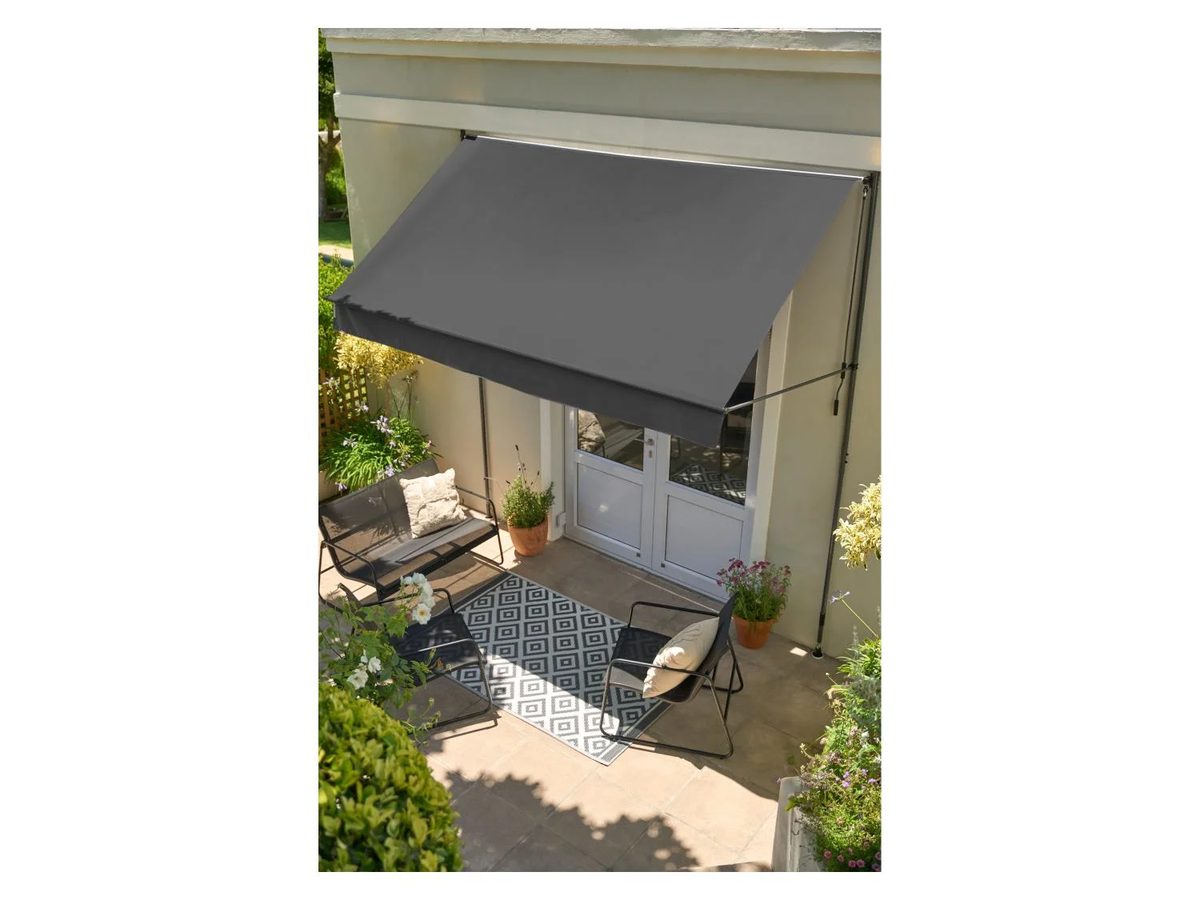
For a standard balcony or small terrace, this setup is genuinely ideal. The three-meter width offers generous proportions without taking over the space. Adjusting the height is straightforward, ranging from 220 to 310 centimeters. This flexibility lets you fit almost any architectural style, whether you are dealing with high ceilings or low overhangs.
The maximum extension reaches 150 centimeters. That creates enough shade to establish a real retreat corner. Use raw, natural materials there—think rattan or untreated wood—to keep the vibe grounded. The minimalist fabric design keeps the look clean. It doesn’t weigh down the aesthetic.
There is one non-negotiable rule for longevity. If wind speeds exceed 20 km/h, you must roll up the device. It is a quick safety maneuver that protects the fabric and mechanism from weather damage. Ignoring this leads to tears and broken parts.
Choosing this kind of setup lets you refresh your outdoor area without emptying your bank account or calling in contractors. No complex structural work required. Just a smart addition to your living space.
How are you planning to upgrade your own balcony this season?